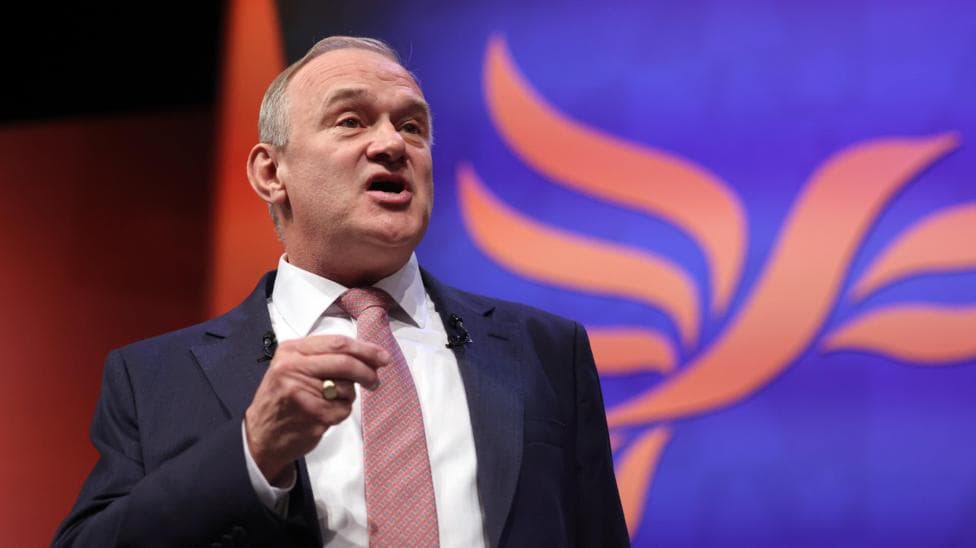
Sir Ed Davey has committed the Liberal Democrats to a sweeping tax reduction programme worth £17 billion, contingent on the party winning power and negotiating Britain's return to the European Union's single market and customs union. Speaking at his party's autumn conference in Brighton on 22 September 2026, the Lib Dem leader outlined plans to raise the personal income tax allowance to £15,000 annually and lift the 40p income tax threshold from £50,270 to £56,000, delivering what he described as a £680 cut for most taxpayers.
The proposal would not take full effect until the fifth year of a Lib Dem government, potentially as late as 2034. According to the party's formal announcement, the tax cuts would remove 2.5 million people from the income tax system entirely and would also raise the 45p additional-rate threshold, benefiting 750,000 people who currently pay the higher 40p rate. The party says the plan would unfreeze personal allowances in the second year of a Lib Dem government, allowing them to rise with inflation, before implementing the major tax reductions in year five when the economic benefits of closer EU trading relationships had materialised.
The entire package depends on the party's ability to secure a closer trading arrangement with the European Union within just 12 months of taking office. According to analysis from an independent economics consultancy, a deal with the EU could generate 0.5% growth in the first fiscal year alone, providing the economic foundation for the tax cuts.
How would the plan be funded?
The £17 billion cost would be covered by the economic expansion that Davey argues would flow from rejoining the single market and customs union. Research by think tank Frontier Economics underpins the party's calculations. The funding mechanism represents a fundamental gamble: the tax cuts exist only if the economic growth materialises and if EU negotiations succeed within the tight 12-month timeframe.
How does this compare to other parties' tax promises?
Reform UK has already pledged to increase the income tax personal allowance to £15,000 within 100 days of taking power. Davey drew a sharp distinction between the two approaches, stating:
the difference between us and Reform is that their tax cut is paid for through cruelty.He argued that Reform's figures showed the party would fund its tax cuts by withdrawing £22 billion in crucial support from disabled people.
The Conservative government froze the £12,570 income tax allowance in 2021, a decision that has pushed more people into paying income tax. Labour has resisted calls from trade unions and some of its own MPs to unfreeze the threshold. By contrast, the Lib Dems are positioning themselves as the party of tax relief, targeting traditional Conservative voters in heartland constituencies.
What else did Davey say at conference?
The Lib Dem leader opened his speech with a forceful attack on Reform UK and its leader Nigel Farage. While stopping short of using the word fascist, Davey drew parallels between far-right movements in 1930s Britain and what he called
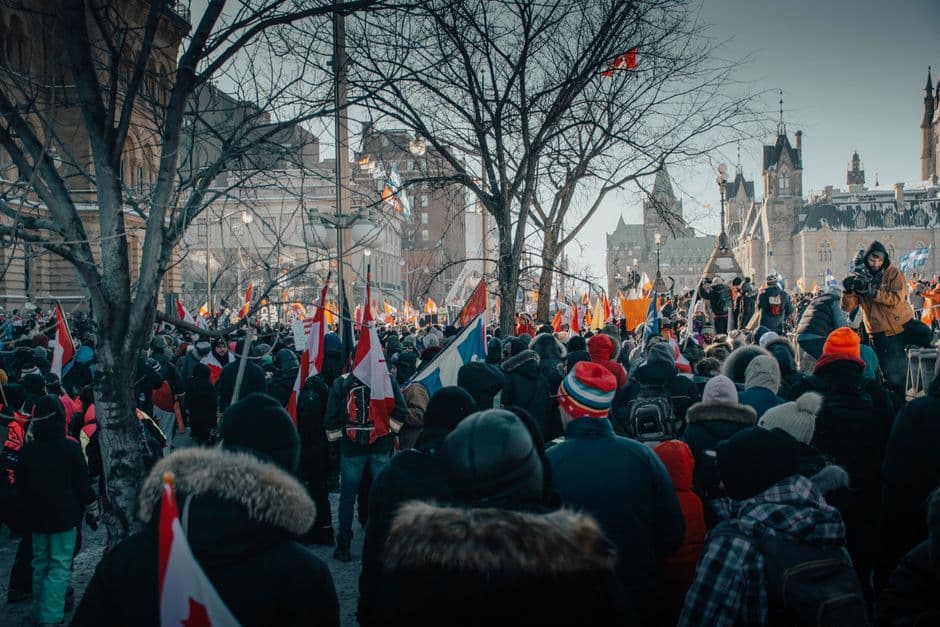
thugs, in black shirts and balaclavasinvolved in recent protests in Dover and Portsmouth. He stated:
This is a far-right movement that is given oxygen, and heat, and fuel by politicians and parties who claim to be serious contenders to lead our country.

Davey's response centres on what he terms
community politicsas the defining characteristic of the Liberal Democrats. He told the conference:
It will take more than a manifesto. It will take a movement, rooted in decency, fairness and community. British values. Liberal values.This framing positions the party as a moderate, community-focused alternative to what he portrays as the extremism of Reform.
The Lib Dem leader also criticised Conservative leader Kemi Badenoch over policy shifts on climate change and human rights law, arguing that moderate Conservative voters were increasingly turning to the Liberal Democrats. He took aim at Prime Minister Andy Burnham for failing to commit to rejoining the EU single market, something the Lib Dems say they would pursue in their first year in government.
What is the party's stance on potential coalitions?
Lib Dem sources declined to confirm whether the income tax plan would be a condition of joining a coalition government with Labour or another party, saying instead that the party's primary objective was to maximise the number of MPs it elected. Davey has ruled out any coalition arrangement with Reform UK and dismissed the possibility of a deal with the Conservatives, despite the party's experience in a coalition government from 2010 to 2015.
What did Davey say about artificial intelligence?
The Lib Dem leader also addressed emerging risks posed by artificial intelligence, warning that
handled badly, it concentrates more power in fewer hands than at any point in human history.He criticised Prime Minister Burnham's AI partnership with US president Donald Trump as inadequate to the scale of the challenge, and called for
a global treaty to press pause on super-intelligent AI now.
Davey proposed the creation of
a new International AI Safety Agency - like we have for nuclear - to stop anyone from developing this technology recklessly.This proposal reflects growing concern among political figures about the governance of advanced AI systems.
What happens next?
The Liberal Democrats' autumn conference in Brighton concludes on 22 September 2026, with further policy announcements expected as the party continues to shape its election platform. According to reporting from the conference, the party believes a return to the customs union and single market could be negotiated within a year, making that the key near-term political test of the tax-cut strategy. The success of the entire £17 billion tax package ultimately rests on whether the party can deliver on that EU negotiation promise.
Davey's tax-cutting agenda comes as the Liberal Democrats languish in fourth or fifth place in national opinion polls. The party is attempting to reposition itself as a serious contender for power by offering concrete economic benefits to voters, particularly those in traditional Conservative strongholds who have grown frustrated with the current government's approach to taxation and public services.