The brother of Diana, Princess of Wales, has issued a formal apology to broadcaster Piers Morgan after making an inaccurate claim in his newly published memoir about responsibility for intrusive photographs of the late royal. Spencer acknowledged in a statement on Tuesday that he had incorrectly assumed Morgan held the position of Daily Mirror editor when the disputed images were released in the mid-1990s.
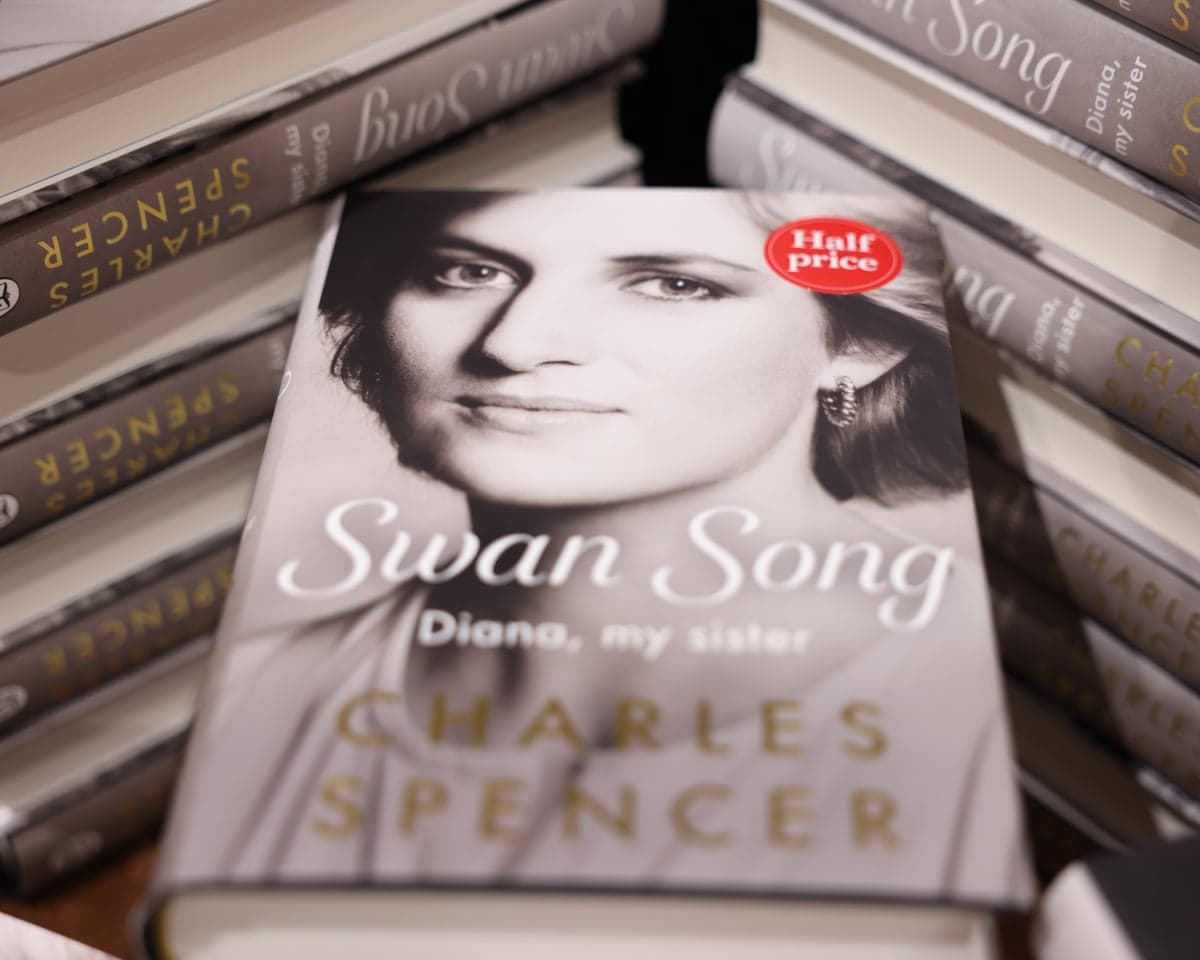
Spencer's book, titled Swan Song: Diana, My Sister, was released on 22 September 2026 and contains multiple contentious allegations about the royal family and media figures. The memoir claims Morgan bore responsibility for publishing photographs allegedly taken by a hidden camera showing Diana exercising in a gymnasium while wearing a leotard. However, Morgan publicly challenged this account, demonstrating that the photographs had appeared in the Sunday Mirror on 7 November 1993—nearly two years before he joined the Daily Mirror in October 1995.
At the time the gym images were published, Morgan was employed as a showbiz columnist at the Sun, a rival publication to the Mirror Group. He has since emphasised this timeline as evidence that Spencer's account contains fundamental factual errors.
What prompted the dispute?
Morgan had announced his intention to pursue legal action against Spencer and his publishers over what he characterised as
fabricated inaccuraciesand
examples of brazen falsityin the memoir. According to reports on 22 September 2026, Morgan instructed his legal team to demand removal of the disputed passages from the book and its publishers, Penguin Random House.
The broadcaster detailed his objections during a YouTube episode of his show Uncensored, where he read extracts from Spencer's memoir. The book recounts how Spencer personally telephoned tabloid newspaper editors to rescind their invitations to Diana's funeral following her death in 1997. According to Spencer's account, Morgan
snarled with annoyance before he hung upwhen informed he was not welcome at the ceremony.
Morgan disputed this characterisation, stating that Spencer's portrayal of him was defamatory and contradicted by documented facts. He told his audience:
The photographs which he says that I published were printed by the Sunday Mirror on 7 November 1993. I joined the Daily Mirror in October in 1995. In fact, at the time of the gym pictures, I was doing a showbiz column on the Mirror's arch-rival, the Sun.

How did Spencer respond?
Spencer issued a statement acknowledging the error and clarifying the circumstances. The statement explained that the memoir had recorded
Earl Spencer's assumption that Mr Morgan's response was because he was editor of the Daily Mirror when the Mirror Group had published highly intrusive photographs of Princess Diana at the gym.Spencer then noted that
The photographs were published by the Sunday Mirror on 7 November 1993. Mr Morgan has pointed out that he did not join the Daily Mirror until October 1995.
Emphasising his commitment to historical accuracy, Spencer wrote:
As an historian, accuracy is important to Earl Spencer. He therefore wishes to clarify that his assumption was incorrect. Earl Spencer apologises to Mr Morgan for this error.
What other claims does the memoir contain?
Spencer's book has generated significant controversy beyond the Morgan dispute. The memoir includes an allegation that King Charles stated
we'll forget her soon enoughfollowing Diana's death—a claim that has prompted an unusually forceful response from Buckingham Palace. The Palace responded by suggesting that grief can "cloud reason" and "colour memory" years after a loss, implying Spencer's recollections may be unreliable.
In a BBC interview, Spencer reaffirmed his account of the disputed conversation with King Charles, stating the quoted words were
exactlywhat Charles said. The memoir also portrays Diana as a woman of compassion haunted by self-doubt and starved of warmth from the royal family, while drawing parallels between the late princess's treatment by the press and the scrutiny currently facing Prince Harry and Meghan Markle.
Morgan has questioned Spencer's credibility as a historian in light of the factual errors regarding the gym photographs. He stated:
My question, though, is this: if Earl Spencer can be so incredibly, defamatorily wrong about such basic facts involving me, well, why should we believe anything else he puts in this book?According to reports from 22 September 2026, Morgan has instructed lawyers to pursue Spencer and Penguin Random House over what he characterised as
demonstrable liesin the new memoir.
How has the book performed commercially?
Despite the controversy, the memoir has climbed bestseller charts during the six-day row with Buckingham Palace. However, bookshops across London reported quiet sales on the release day. Dozens of copies bearing red
half pricestickers were stacked in Waterstones' flagship Piccadilly store—the largest in Europe—with the £28 book marked at half its cover price in multiple locations and on the Waterstones website.
What happens next?
Morgan has announced his intention to pursue legal action, though no court filing date or hearing has been publicly announced. The most likely near-term developments include further interviews, publisher statements, or formal legal filings from Morgan's legal team. Spencer's memoir remains on sale, and the dispute appears likely to intensify as the book gains wider readership and additional claims within it receive scrutiny.