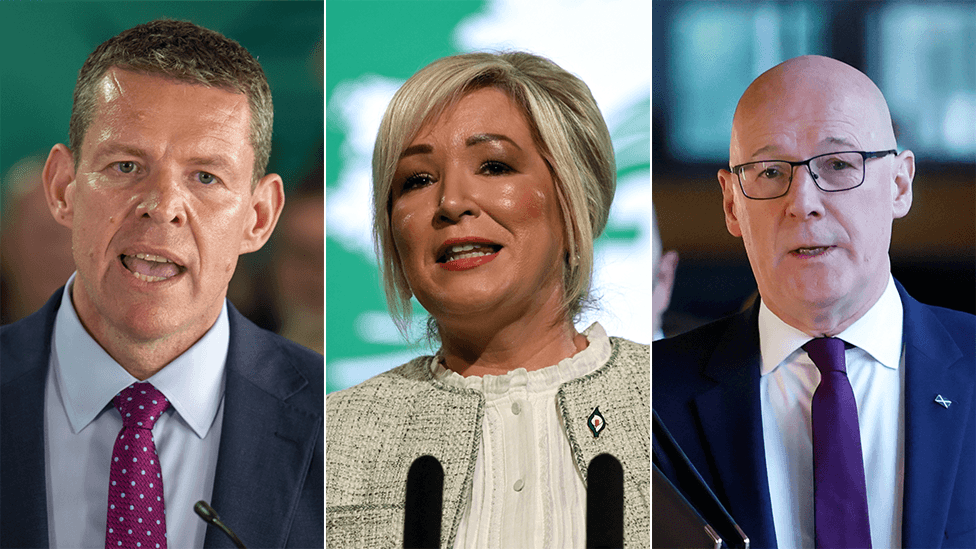
The first ministers of Wales, Scotland and Northern Ireland are set to meet in Cardiff on Monday, 14 September 2026, to explore avenues for deepening cooperation on matters ranging from economic policy to constitutional reform. This gathering marks a historic moment: for the first time since devolution began, all three devolved administrations are led by first ministers from parties committed to independence from the United Kingdom.
Plaid Cymru's Rhun ap Iorwerth will host the Scottish National Party's John Swinney and Sinn Féin's Michelle O'Neill at the St David's Hotel in Cardiff Bay on Monday morning. Sinn Féin president Mary Lou McDonald will also be present. The meeting represents the first face-to-face encounter between the three nationalist leaders since ap Iorwerth assumed office in May following Plaid Cymru's victory in the Senedd election.
According to reports from the Telegraph, the leaders intend to sign a joint declaration or memorandum covering areas of shared concern including energy, the economy, Europe and self-determination. In the afternoon, ap Iorwerth will hold separate discussions with Swinney, with both expected to sign an agreement on future collaboration in sectors of mutual interest.
What will the leaders discuss?
The three parties plan to focus on practical political cooperation across their nations. A Plaid Cymru spokesperson outlined the agenda, stating the meeting was
an opportunity for the leaders of Plaid Cymru, the SNP and Sinn Féin to come together and talk about how we can work more closely on the issues that matter to people across our nations.
The spokesperson added that
following the historic Senedd election in Wales and the changing political landscape across these islands, there is a strong case for practical political cooperation on areas including energy, the economy and our relationship with Europe, as well as on the wider political and constitutional questions facing our nations and on the right to self-determination.
According to reports published on 14 September, the three leaders are expected to call on the UK government to
prepare, plan and facilitate constitutional changeacross Wales, Scotland and Northern Ireland. This framing links constitutional questions directly to European and international cooperation, positioning the devolved nations as actors in their own right on the global stage.
What is the constitutional backdrop?
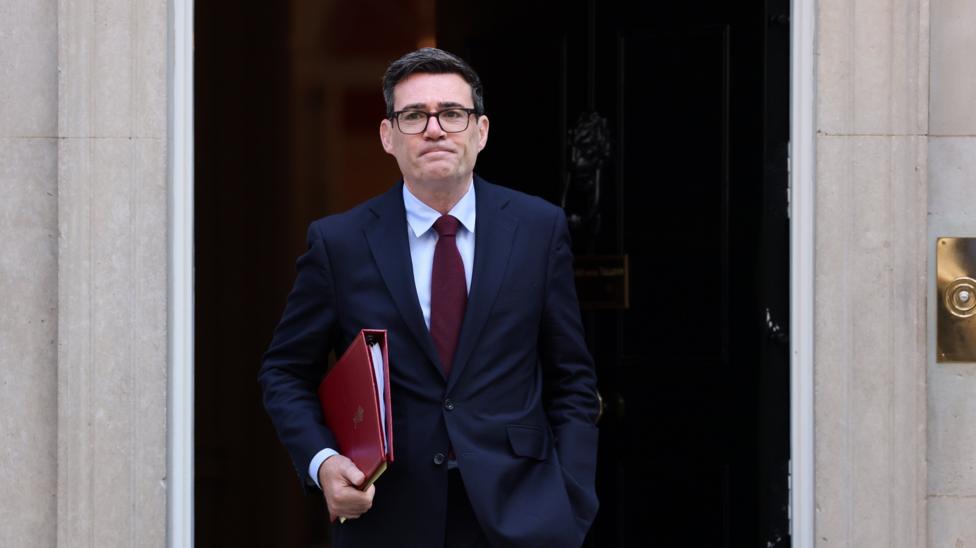
The timing of these talks follows a significant shift in the Westminster government's apparent stance on constitutional matters. During Prime Minister's Questions on Wednesday, Prime Minister Andy Burnham appeared to signal that a second Scottish independence referendum could be held if there was demonstrable public support for a vote. He drew a parallel to the conditions for a border poll in Northern Ireland, explaining that the Good Friday Agreement stipulates a border poll would be
considered by the Northern Ireland Secretary when there is a clear consensus in the country, when public opinion has changed to the point where the call has to be considered.

Burnham then stated:
I would say that it is exactly the same situation in Scotland. This apparent softening in tone was initially welcomed by Swinney, though Burnham subsequently clarified that another Scottish referendum remained
off limits. A referendum on Scottish independence held in September 2014 resulted in a vote to remain part of the UK, with 55% voting to stay and 45% voting to leave.
John Swinney has argued that there is
undeniablemomentum behind constitutional change.
Every nation across these islands is standing at a moment of incredible constitutional opportunity, he said.
There is a growing consensus that the Westminster system simply is not fit for purpose and does not work for ordinary people.
What are the devolved nations' positions on independence?
In Wales, ap Iorwerth was appointed the first non-Labour first minister following May's Senedd election. Although he has ruled out pursuing a referendum on Welsh independence during his party's first term in government, he has committed to leading a
national conversationabout the issue. His government intends to establish a national commission to
lay the foundationsfor future plans regarding Welsh independence.
Welsh ministers are simultaneously requesting additional powers be transferred from Westminster to Cardiff, including authority over policing and youth justice. Burnham has indicated he is
opento the idea. Welsh ministers have long advocated for reform of the Barnett funding formula, contending it disadvantages Wales, though Scotland is widely regarded as benefiting from the current arrangement. Before becoming prime minister, Burnham made the case for change, but during his recent visit to Wales he downplayed the prospect of reform.
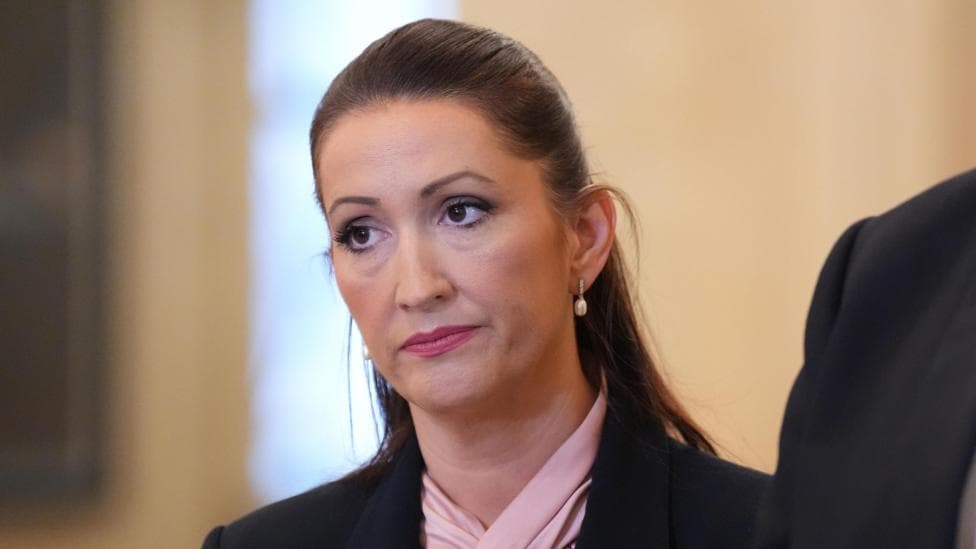
In Northern Ireland, the first and deputy first minister hold identical powers and responsibilities. The DUP's Emma Little-Pengelly serves as deputy first minister. Little-Pengelly, representing the unionist Democratic Unionist Party, has criticised O'Neill for attending the Cardiff meeting.
What happens next?
The devolved leaders are scheduled to meet with Prime Minister Burnham next month. The UK government responded to the Cardiff gathering by stating:
The prime minister is committed to delivering change across all four nations of the United Kingdom and believes strongly in the union.
John Swinney is also reported to have a series of further engagements with the Welsh Government scheduled around the same visit, according to the Independent.
Welsh Conservative leader Darren Millar responded critically to the meeting, stating:
Instead of obsessing about independence, the first minister should be focused on dealing with the crisis engulfing the Welsh NHS and the declining standards in Welsh schools. Reform UK Wales characterised the gathering as evidence that
Plaid Cymru is showing its true colours by meeting with Sinn Féin and the Scottish separatists.
Key Facts
- The meeting on 14 September 2026 brings together leaders from three devolved nations, all representing pro-independence parties, marking an unprecedented alignment in UK devolution politics.
- The leaders plan to sign a joint declaration covering energy, economy, Europe and self-determination, and to call on Westminster to facilitate constitutional change.
- Burnham's recent comments on Scottish independence referendums sparked debate about whether the UK government's position on constitutional matters is shifting, though he subsequently reaffirmed that another Scottish referendum remains off the table.
- Wales, Scotland and Northern Ireland are simultaneously pursuing different constitutional strategies: Scotland has held one independence referendum; Wales is establishing a national commission on independence; Northern Ireland's constitutional future is governed by the Good Friday Agreement.
- Funding reform and the distribution of powers between Westminster and the devolved administrations remain contentious issues, with Welsh ministers pressing for changes to the Barnett formula and expanded devolved authority.