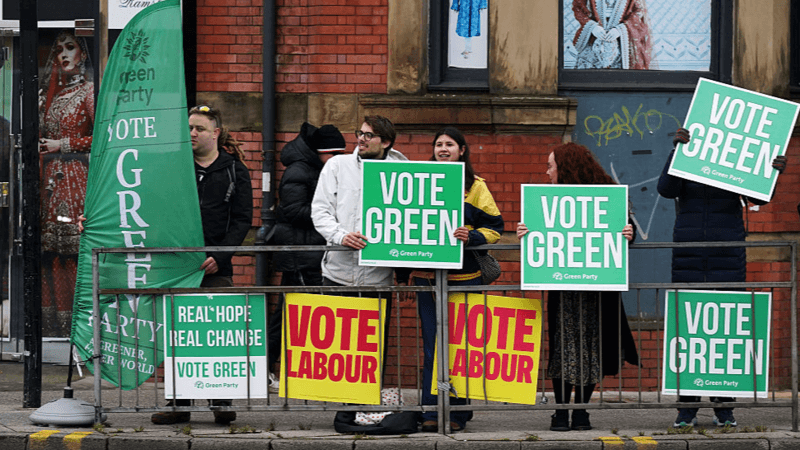
The Labour Party has terminated power-sharing arrangements with the Green Party across 11 local councils following the Greens' adoption of a national policy that characterises Zionism as a form of racism. According to BBC News, Labour councillors will no longer serve in coalition governments with their Green counterparts in areas including Sheffield, Warwick and Lewes, with the decision affecting hundreds of thousands of residents through delays to budgets and policy decisions.
Labour Party chair Bridget Phillipson stated the party's position clearly:
Labour has been clear from the start that the "Zionism is Racism" policy crosses a line and we cannot work with any party that supports it – at any level of government.Prime Minister Andy Burnham had previously told MPs in October that Labour would not partner with the Greens over what he described as an "antisemitic" policy, prompting Labour's head office to issue an ultimatum to Labour-Green councils demanding that local Green groups publicly disown the motion.
The Green Party motion, passed at the party's October conference, defined Zionism as an ideology supporting an "ethnonationalist Jewish State in historic Palestine" and backed the establishment of a "single democratic Palestinian State", including in modern-day Israel. According to reporting on the vote, the motion passed 1,022 votes to 813, with those voting in favour representing approximately 0.4% of the party's total membership.
Which councils are affected?
Labour identified 18 authorities where local power-sharing agreements existed—17 in England and one in Wales. Of these, Labour determined that 11 had failed to meet the criteria it had set. The affected councils include West Suffolk, Sheffield City Council, and Wealden District Council, where Rachel Millward, the Green Party's deputy co-leader, serves as a councillor. At Lewes District Council, the Labour–Green partnership had already broken down by Friday, 30 October, with Green council leader Zoe Nicholson attributing the collapse to "unnecessary pressures from outside of the council."
Why did Green groups not comply?
At least three Green groups—Derbyshire Dales, Havant and Warwick—did not reject the motion as Labour demanded. Derbyshire Dales councillors stated their constitution did not allow party leaders to overturn a conference motion. This constraint reflects broader Green Party rules that reportedly prevent a conference decision from being amended or overturned for two years, meaning the motion would otherwise remain in force until 2028 without intervention.
What is the Green Party's position?
Green Party leader Zack Polanski has characterised the motion as "imperfect" but has defended its central premise, arguing that Israel's actions towards the Palestinian people are "clearly underpinned by racist ideology." The policy has provoked sharp divisions within the party's senior ranks and drawn condemnation from Jewish groups and opposition political parties. The Board of Deputies of British Jews declared the Green Party a racist organisation following the adoption of the policy, with the declaration passing 118 votes to 1.
What happens next?
Green Party figures have been exploring possible clarifications or rule changes to address the controversy. Siân Berry and other senior figures have discussed consultations and potential policy revisions, with proposals potentially prepared for the party's spring 2027 conference. Labour's National Executive Committee was expected to decide whether to formalise the end of local power-sharing arrangements following the deadline for Green groups' responses. The dispute has highlighted tensions within the Green Party over its direction and broader electoral appeal, with former co-leader Adrian Ramsay warning the party faces a critical juncture after the conference vote.