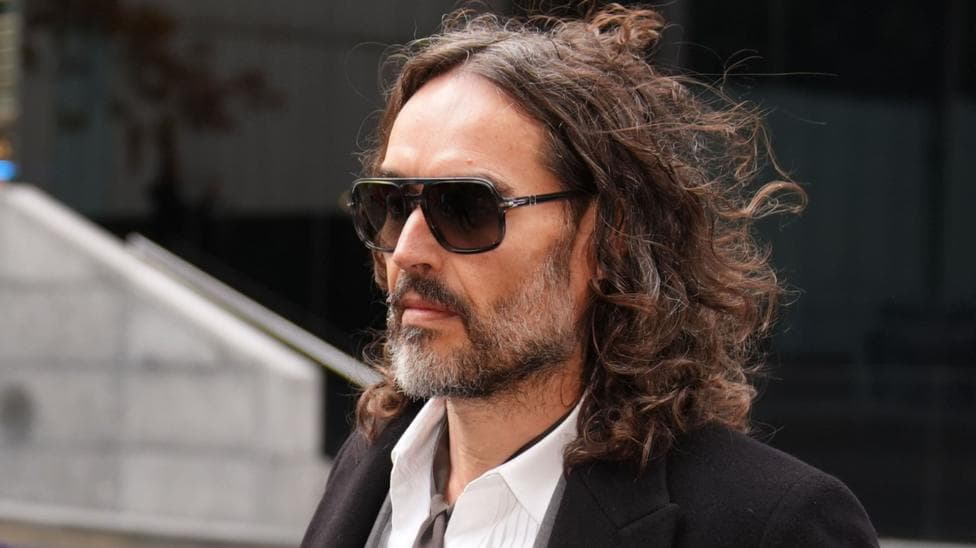
Russell Brand's defence team has accused journalists and a television documentary of contaminating the jury pool by prompting complainants to bring forward criminal allegations against him, according to closing arguments delivered on Monday at Southwark Crown Court.
Ian Winter KC, Brand's defence barrister, told jurors that a Channel 4 Dispatches programme and investigative stories published by the Times and Sunday Times in 2023 "caused people who had not previously considered it appropriate to bring criminal allegations against him, to do so, and very many years after" the alleged incidents. According to BBC News, Brand faces seven counts: three of rape, three of sexual assault, and one of attempted indecent assault.
The defence strategy centred on challenging the credibility of the complainants' accounts and the circumstances under which they came forward. Winter argued that Brand's consensual sexual conduct, however extensive, was entirely lawful and that the documentary and newspaper coverage had unfairly prejudiced potential witnesses against him.
What is the core defence argument?
Winter presented a direct challenge to the prosecution's case by questioning whether jurors could be certain that Brand had raped three women out of "the many, many women who voluntarily had sex with Mr Brand." He characterised it as an "extremely curious feature" of the case that Brand "obviously genuinely believed that they were consenting because that's the only thing that would explain why his behaviour was normal."
The barrister rejected suggestions that Brand was a predator, stating there is "no evidence he is some sort of psychopath who rapes people and thinks it's normal." He pointed to specific details from one 1999 allegation as inconsistent with criminal behaviour: Brand allegedly asked the woman if she was enjoying the encounter, left her his email address, provided photographs, and kissed her goodbye. "Rapists do not give out their email address," Winter said. "Rapists do not leave their photographs. Rapists do not kiss their victims goodbye."
How did the defence characterise the media coverage?
Winter reminded jurors that the trial judge had previously directed them that the Channel 4 Dispatches documentary was "very one-sided" and "produced in a dramatic manner." He emphasised that the programme was "published without a single journalist ever speaking to Mr Brand about it other than to protect their defamation risk... protect their right to reply after the programme had been made."
The barrister argued that the documentary and the allegations within it had "poisoned the well in respect of things of which Mr Brand is innocent." He characterised the six complainants as "not random" but rather "thoroughly contaminated by the programme." However, Deadline reported that the prosecution countered this argument by asserting that the six complainants were unconnected, had nothing to gain, and were not led to reinvent their accounts by the documentary or newspaper coverage.
Winter cited what he described as a "graphic" example of the "truly devastating effect" of the media coverage on Brand: a hospital would not permit him to visit his baby son after life-saving open heart surgery. Brand had previously testified that Great Ormond Street Hospital did not allow him to stay with his son due to "material that had been published in the public eye." Winter told jurors: "That tells you the extent to which public opinion has ... corrupted."
What did the defence say about Brand's personal life?
Winter acknowledged that Brand "had an immense amount of sex" but insisted that "none of it was unlawful." He told jurors that Brand's sexual conduct, while potentially "disgusting, distasteful, immoral," was ultimately "irrelevant to your consideration" of the criminal charges.
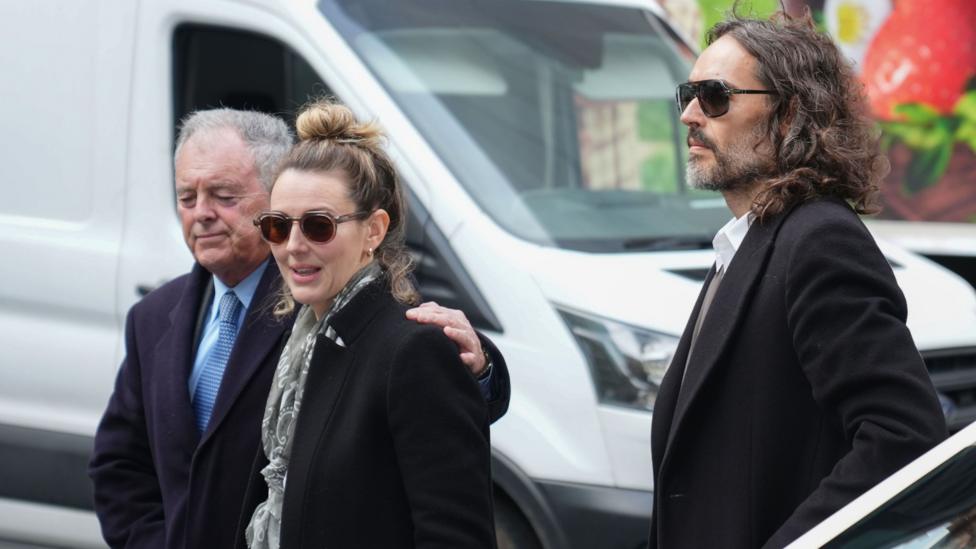
The defence also drew on testimony from Brand's wife, Laura, to support its case. Winter noted that she "fell in love with that man in full knowledge of what he was doing," married him, and bore him three children. He suggested she would not have done so if Brand were "guilty as charged." Brand attended court on Monday accompanied by his wife and her father, Bernard Gallacher, a former professional golfer and Ryder Cup winner.
What is the jury composition and what happens next?
According to Yahoo News, the jury consists of eight men and four women, and the judge has instructed that any guilty verdict on any count must be unanimous. The judge also directed jurors to disregard the documentary as evidence supporting the prosecution, saying its allegations had never been tested in court.
The allegations against Brand relate to six women and incidents said to have occurred between 1999 and 2009. Brand has pleaded not guilty to all seven charges. Deadline reported that the jury is expected to begin deliberating on Tuesday, 3 November.