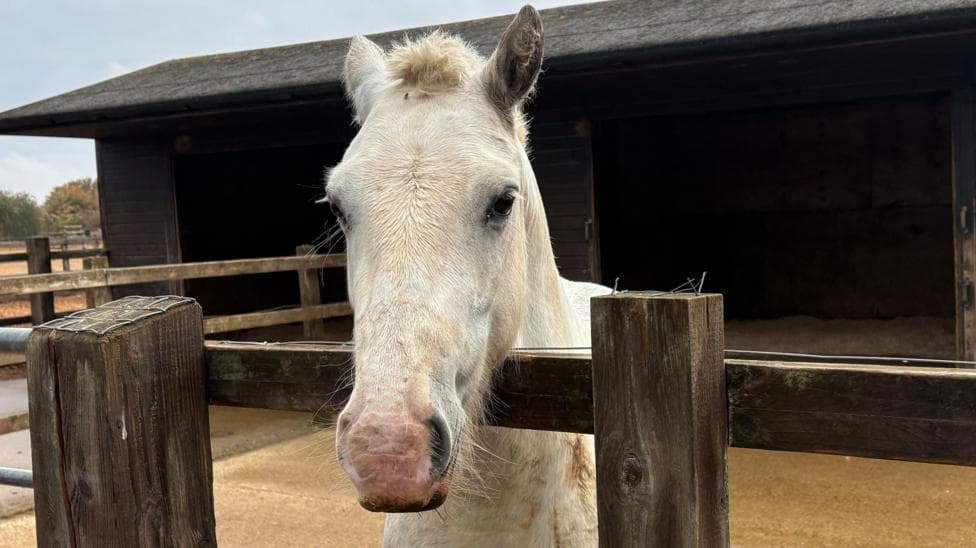
Mr Darcy is being prepared for a new home after being relinquished by his owner, one of a growing number of horses given up as the cost of care reaches unsustainable levels for many families across the UK.
Financial pressure on horse owners has intensified sharply, with animal welfare organisations reporting a significant rise in animals being surrendered. The Blue Cross facility in Burford, Oxfordshire, now receives between 20 and 30 horses monthly, and the charity has documented a 160% increase in relinquished horses over recent years.
Dry weather conditions have compounded the crisis by creating severe hay shortages and driving up feed prices dramatically. According to reports on the hay shortage, a large bale of hay has risen from £73 to £154 within a single year, forcing some owners to seek supplies abroad. Some horse owners have reportedly travelled to France to purchase hay because domestic availability has become so constrained.
Admissions coordinator Freya Long at the Blue Cross explains the immediate challenge:
There's no grass, very little hay. I've started getting an increase in requests and I can only imagine it'll get higher with the cost of living.
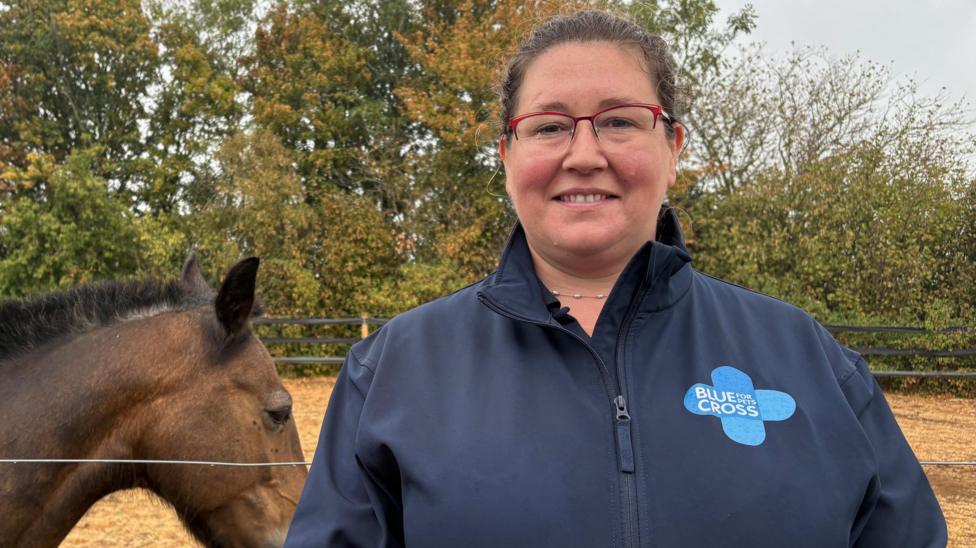
The financial burden extends far beyond feed alone. Veterinary care, vaccinations, worming treatments and farrier services are all essential components of responsible horse ownership, yet each represents a significant expense. Horse centre manager Vicki Alford observes:
It all adds up. We are finding, unfortunately, that people are contacting us because they can't financially look after their horses anymore.
The scale of the challenge facing rescue organisations is substantial. One rescue facility reported that annual feed expenses were expected to reach £25,000 because of the hay shortage, demonstrating the enormous cost burden on charities attempting to care for surrendered animals. The same facility saw its share of horses from desperate owners rise from 53% to 85%, indicating how widespread the crisis has become.
The underlying causes of the equine welfare crisis have evolved over time. In early 2026, the RSPCA identified that the nature of the problem had shifted from simple abandonment to broader welfare concerns. Research highlighted several interconnected factors contributing to the crisis:
What are the main barriers to horse ownership?
Owners increasingly lack practical knowledge, skills and experience in caring for horses, while many do not have suitable facilities and space for turn-out, grazing and socialisation. Additionally, many people fail to plan adequately for the lifetime welfare and care requirements of these animals. The RSPCA noted that these underlying issues have been significantly worsened by the sustained increases in the cost of living experienced over recent years.
The hay crisis itself reflects broader economic pressures affecting equine care. Hay prices had climbed to £131 per tonne by January 2026, underscoring how the shortage had already intensified before the current surge in surrenders. Beyond feed costs, horse and yard expenses have risen because fuel, rents and wages have all increased, adding multiple layers of pressure to equine care budgets.
How can owners access support?
The Blue Cross is actively encouraging horse owners to seek help before financial difficulties begin to affect their animals' welfare. Vicki Alford emphasises the charity's commitment to assistance:
We absolutely encourage this, we want people to come to us before their horses get too far down the line. Please come to us. We are here to help and we will not judge.
The Blue Cross operates a rehoming service with established fee structures. Companion horses are available for rehoming at £180, while established ridden horses begin at £800, reflecting the costs involved in preparing animals for new homes.
What happens next for struggling owners?
The Blue Cross continues to rehome horses and is directing owners needing assistance to come forward before welfare deteriorates further. Horse owners across the sector are being urged to plan ahead and work closely with hay suppliers following the difficult 2025–26 season, suggesting ongoing uncertainty into the next feeding cycle as the industry attempts to stabilise supply and manage costs.
Key Facts:
- The Blue Cross reports a 160% surge in relinquished horses in recent years, with 20–30 animals received monthly at its Burford facility
- Hay prices have doubled in a year, rising from £73 to £154 per large bale, forcing some owners to seek supplies internationally
- Rescue organisations face enormous costs; one facility's annual feed expenses reached £25,000 due to the shortage
- The RSPCA identified that welfare issues now extend beyond abandonment to include lack of knowledge, unsuitable facilities and inadequate lifetime planning
- The Blue Cross encourages owners to seek help before financial strain affects animal welfare, with rehoming fees starting at £180