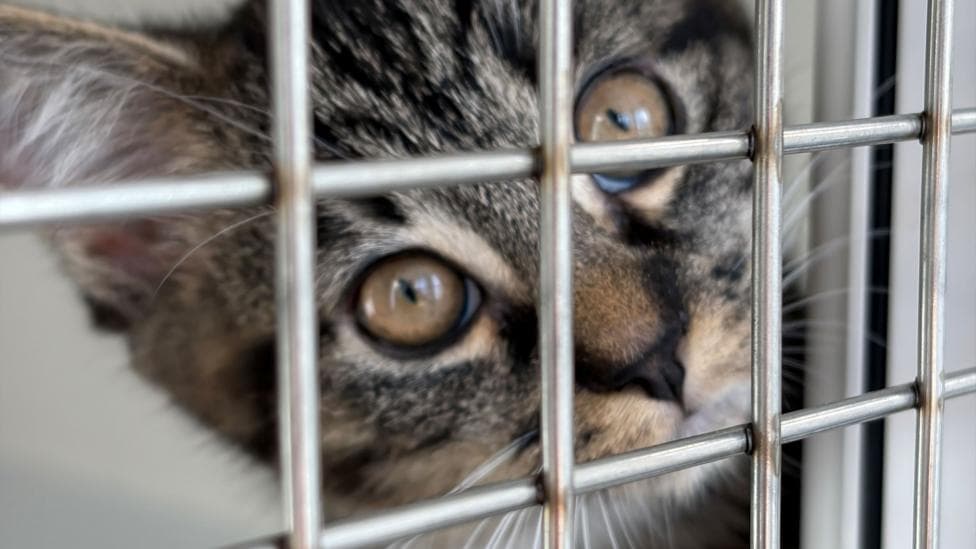
An animal rescue centre in Coventry has reported a dramatic surge in the number of cats and kittens being surrendered or abandoned, with staff attributing the rise primarily to financial pressures on pet owners. According to BBC News, the RSPCA Coventry and District Branch cared for 399 cats and kittens over the summer months, representing a 150-cat increase compared with the same period the previous year.
The centre, located on Coundon Wedge Drive in Coventry, operates independently from the national RSPCA and currently houses 80 cats at full capacity. In August 2026, the branch reported a 59% rise in cat intake compared with August of the previous year, including three separate abandonment incidents at the site within a two-week period.
Why are more cats being abandoned?
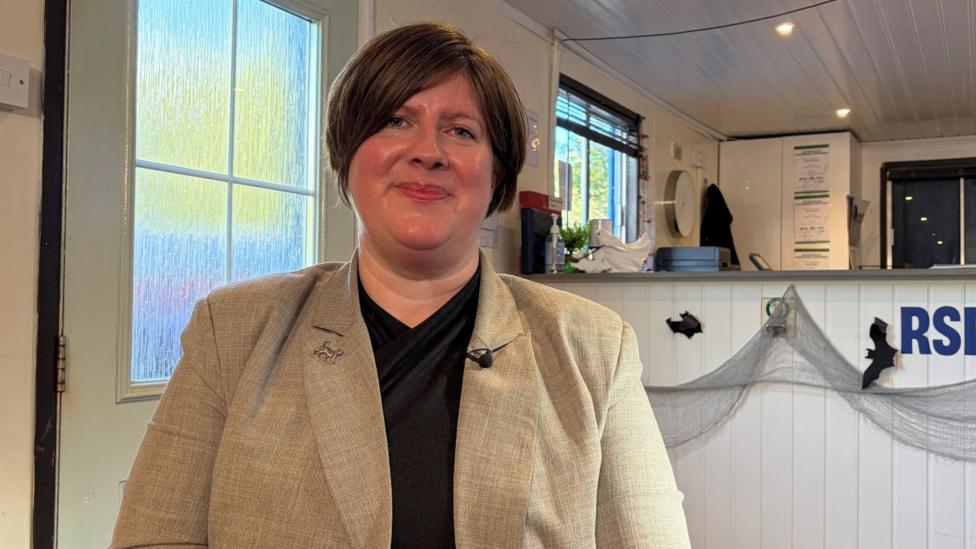
Rising pet care costs are the primary driver behind the surge, according to centre staff. Emma Davies, a spokesperson for the shelter, explained the financial barriers facing current pet owners:
"We think a lot of that is down to rising costs,"she said, noting that expenses such as neutering procedures have become prohibitively expensive for many households. When owners cannot afford neutering, the result is an increase in unplanned litters, compounding the problem.
Insurance and veterinary treatment for older cats or those with health conditions represent another significant cost barrier.
"If your cat is older and perhaps has a health condition, insurance for that and covering vet costs can also be expensive,"Davies noted.
"So we are finding that a lot of people are looking to us to surrender their animal because they can no longer afford to take care of it."
The centre's own operational costs underscore the scale of the challenge: the branch's veterinary bills often exceed £1,000 a week, and the facility costs £40,000 monthly to operate. Despite these constraints, the centre is actively seeking foster carers and offers pet food assistance and subsidised veterinary costs to help struggling owners keep their animals.
How severe is the abandonment problem?
The centre has witnessed disturbing abandonment incidents that reflect the desperation of some pet owners.
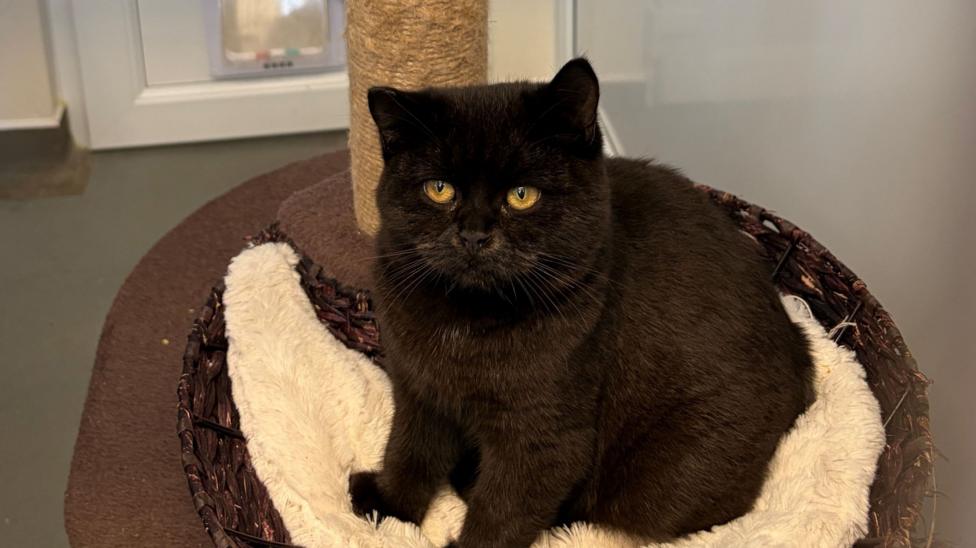
"We have unfortunately had quite a few abandonments at the centre, in terms of kittens left in cardboard boxes, cats left in carrier bags and things like that."Beyond physical abandonments, the waiting list for surrendered animals is substantial: 130 people are currently waiting to give up their pets to the centre, despite it already operating at full capacity.
This local crisis mirrors a broader national pattern. Beth Clements, RSPCA assistant director of animal services, described the scale of the problem across the country:
"Sadly it just isn't slowing down and it's having a massive impact on our centres and branches."The national RSPCA has warned of a "cat crisis" and now cares for more felines than dogs.
"So far this year we're taking in an average of 624 cats each month across our 14 national centres and private boarding establishments. That's not including the massive numbers our independent local branch network are taking in too."
Are other factors contributing to the surge?
Beyond financial hardship, staff at the Coventry centre believe an increase in the number of people breeding cats—whether intentionally or through failure to neuter—is also pushing up rescue numbers. This breeding activity, combined with owners' inability to afford neutering, creates a compounding effect that strains shelter resources.
The financial crisis affecting pet owners extends beyond cats. Earlier this year, horse owners have been surrendering animals at record rates as feed costs surge, with the Blue Cross reporting a 160% increase in relinquished horses. Similarly, an animal sanctuary in Devon has warned it faces closure within two months due to rising food and water bills driven by hot weather. These cases demonstrate that the cost-of-living crisis is affecting animal welfare across multiple species and facility types.
What support is available?
Davies advised anyone struggling to afford pet care to contact the RSPCA directly to explore available assistance. The Coventry branch offers multiple forms of support, including pet food provision and access to its own veterinary clinic at reduced rates. The national RSPCA network also operates similar schemes to help low-income pet owners retain their animals rather than surrendering them.
The Coventry and District Branch has a track record of animal care: in 2024, the branch assisted 645 animals and successfully rehomed 482 cats and 98 dogs. However, the current surge in intakes threatens to overwhelm these capabilities unless additional resources and foster carers come forward to support the centre's work.