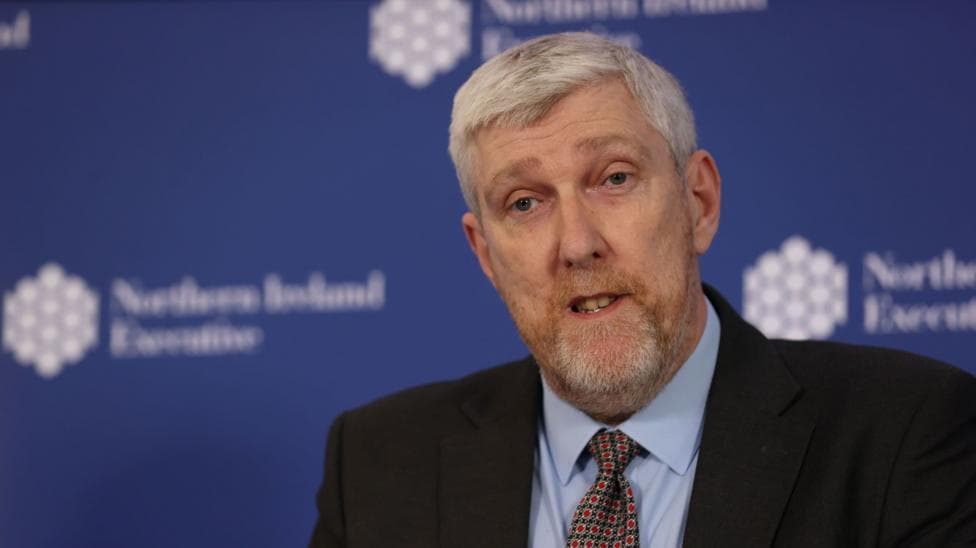
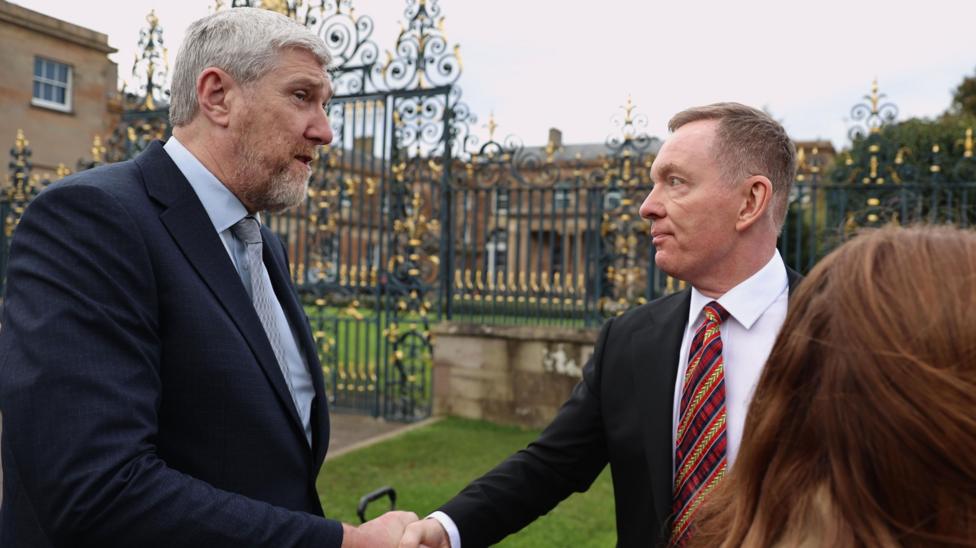
Finance Minister John O'Dowd has levelled criticism at the Northern Ireland Secretary, contending that the UK government is effectively forcing Northern Ireland to impose higher taxes on residents because it declines to provide adequate funding. According to BBC News, negotiations between executive parties and Sir Chris Bryant on Thursday concluded without resolution.
Bryant is understood to have tabled a series of conditions, including revenue-raising measures, as prerequisites for any potential agreement on a Stormont budget. The Northern Ireland Secretary has stated that establishing a budget is not his responsibility but rather falls to the Northern Ireland Executive, and he has emphasised that additional government funding is unavailable.
O'Dowd articulated his position in stark terms:
Unless the British government changes tact in terms of fairness and sustainability of funding here, we're always going to run into these challenges in delivering our public services, sustaining them and growing our economy.He further elaborated on the implications of Bryant's revenue-raising proposals, stating:
When you hear Chris Bryant talk about revenue raising, by and large, what he means is how can we place more taxes on workers, families and businesses because the British government refuses to fund this place fairly.
Seven months into the current financial year, the Northern Ireland Executive remains without an agreed budget. Departments are currently operating under emergency spending restrictions at 95% of their previous year's allocation. O'Dowd warned that
those challenges will become more acuteby the end of the calendar year, with the possibility of funds running out by January without a resolution.
What is the funding dispute about?
O'Dowd contends that decades of underfunding by the British government have created the current predicament. Speaking to BBC Ulster's Good Morning Ulster Programme, he stated:
There has to be a recognition within the British government for decades now they have significantly underfunded this place which has led to the challenges we currently face.
The government's position differs markedly. Sir Chris has asserted that it is the
legal responsibility and dutyof the executive to set a budget. He has also stated unequivocally:
They really have to take me seriously when I say there is no more money.
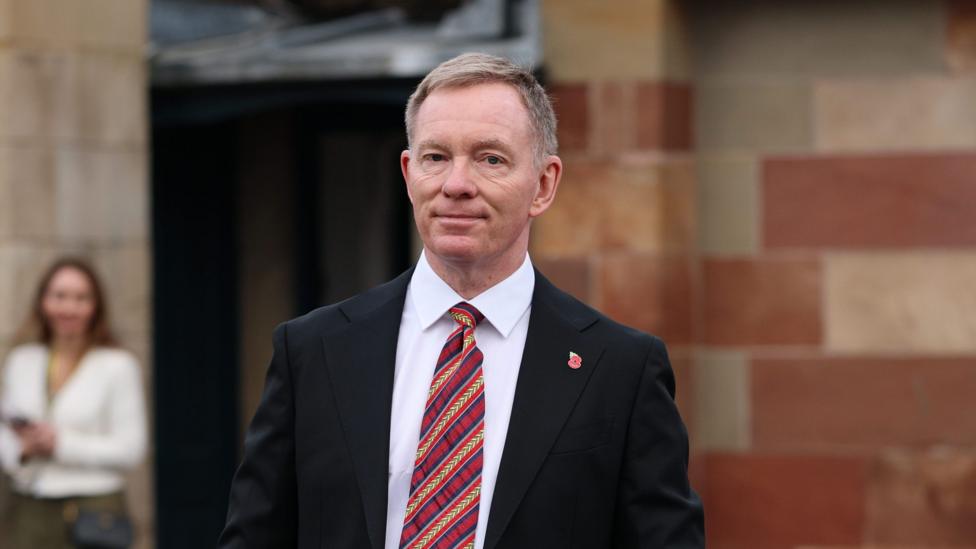
However, recent developments suggest the funding picture is more complex. The UK Budget announced £270 million in additional public services funding for Northern Ireland, of which £131 million is available this financial year. This comes on top of the government's existing three-year offer to the Executive. According to Belfast Live, Bryant's reported conditions include raising an additional £200 million in revenue annually.
O'Dowd has indicated that beyond additional funding, a sustainable and fair financial package is essential. He stated:
There's no deal until there's a deal and our focus has been on reaching a point on where I can bring forward proposals to the executive which allows us to pay our public sector workers.He added that as long as engagement continues and proposals are forthcoming, there remains an opportunity to progress:
At the end of this initial process, I believe challenges will remain, and we need to get the British government to a position where we have a fair and sustainable funding package for this place.
What is the wider reaction to the funding standoff?
The trade union NIPSA has expressed strong dissatisfaction with the Secretary of State's approach. General Secretary Carmel Gates said Sir Chris came across as
arrogant and condescendingduring his appearance on BBC Newsline. She called for a needs-based budget, warning that the current parameters would result in further cuts.
Gates stated:
The Secretary of State needs to get his head out of the sand, he needs to understand this place.She added that if he persists in refusing to provide the Executive with additional money,
he needs to go. She further emphasised:
As the British government's representative here, he needs to understand this place and he needs to understand that years of underfunding is not caused by fiscal irresponsibility amongst the executive.
The Executive has previously sought to accelerate spending of the government's three-year offer, a request that was rejected. According to the Irish News, UUP Health Minister Robbie Butler said the requirement to avoid departmental overspending this year could not be met under the government's current terms.
Where are negotiations headed?
On Tuesday, the executive convened again, with O'Dowd indicating that he intended to present a series of options to his ministerial colleagues in the following days regarding a potential path forward. The specifics of those options remain undisclosed.
Agriculture Minister Andrew Muir has signalled that the Executive must reach a decision within days on whether to accept a spending plan, with further discussions anticipated later in the week. The government has already declined a request to allow a larger portion of the three-year offer to be spent in the current year, a practice known as front-loading.
Sir Chris has indicated that he is examining contingency measures that would enable him to pass a budget bill at Westminster should negotiations at Stormont fail to produce an agreement. Additionally, the Secretary of State has warned that a cost-of-living £100 payment cannot be distributed to households in Northern Ireland until an executive budget is finalised.