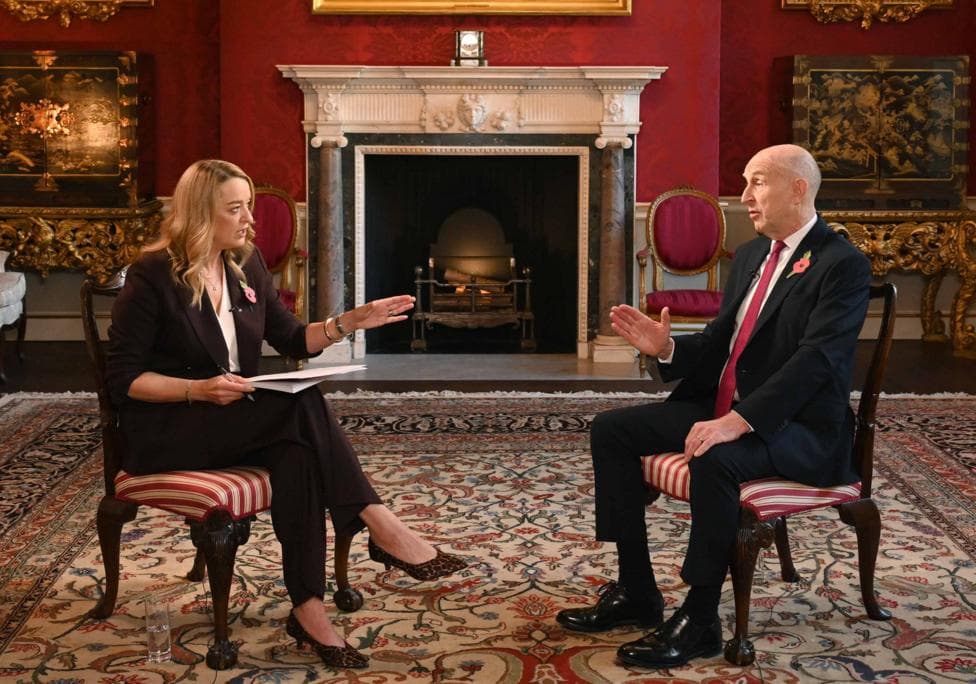
Chancellor John Healey has indicated that Labour may not fulfil its manifesto commitment to equalise the minimum wage for younger workers before the next general election, suggesting the policy could be delayed beyond the current parliamentary term.
According to BBC News, Healey stated in a broadcast interview on Sunday that the government would proceed "one step at a time" when asked whether workers aged 18 to 20 would receive the same minimum wage as those over 20 by the time voters go to the polls. Labour's 2024 manifesto explicitly pledged to remove "discriminatory age bands" and close the wage gap between these groups.
The October 2026 Budget maintained separate minimum wage rates for the two age groups. From April 2027, workers aged 18 to 20 will receive £11.27 per hour, while those over 20 will earn a minimum of £13.21 per hour—a difference of £1.94 hourly. This represents a 3.9% increase for both groups, according to government announcements accepting the Low Pay Commission's recommendations.
Why is the government delaying equalisation?
Healey framed the delay as a pragmatic approach to balancing competing priorities.
"There is no question about whether or if, it's a question of when - it's a question of how fast,"he said, emphasising the need to examine trade-offs between employment levels and wage growth. The chancellor suggested that maintaining a lower rate for younger workers could encourage businesses to hire them, addressing what he described as a crisis in youth unemployment.
"I want to take business, I want to take trade unions with me, and with the government, because together we have to get into what at the moment is a moral shame on this nation. A million youngsters - written off without any prospect of being helped into work and making contributions to this country for the future."
The Low Pay Commission, which advises the government on minimum wage policy, cited slowing demand for young workers and growing risks from ambitious increases in recommending that the government pause alignment efforts. According to the Commission's advice to government, it recommended raising the 18–20 rate by the same percentage as the adult rate rather than narrowing the gap. The 18–20 rate has risen from 72% of the adult rate in April 2022 to 85% in April 2026, showing gradual progress toward equalisation.
How will this affect unions and Labour's left wing?
The decision is expected to provoke anger among trade unions and left-leaning members of the Labour Party, who view the age-based minimum wage as discriminatory. Union leaders had pressed Healey on tax and spending priorities ahead of the Budget, and the deferral of wage equalisation may intensify those tensions. Healey's statement that the government remains committed to the ambition "in principle" appears designed to manage discontent, but the vague timeline suggests the policy may not be prioritised in the near term.
What else did Healey say about public spending?
The chancellor also addressed concerns about the government's ability to deliver promised spending cuts. He indicated willingness to implement potentially significant reductions across government departments, stating that
"We've already demonstrated we are prepared to take hard decisions about the priorities in government."
When pressed on whether cuts would exceed 2% annually in some departments, Healey responded:
"We will carry that through to the 10-year plan and the spending review next year."The Institute for Fiscal Studies, an independent economic research body, has questioned whether the government will follow through on these commitments given the scale of the challenge.
What is the opposition's position?
Conservative Party leader Kemi Badenoch said the "bulk" of spending cuts should come from the welfare budget, which she described as containing "astronomical sums". She also proposed reducing the civil service and cutting budgets in departments such as the Department for Digital, Culture, Media and Sport. However, when asked whether she would support the government's planned cuts, Badenoch expressed scepticism about their scope and detail, saying:
"What exactly are they cutting? I'm not against what they're doing but there's no detail."
Badenoch stated she opposed cuts to frontline services but supported efforts to "bring down the cost of government". Reflecting on the Budget's overall approach, she criticised its piecemeal nature:
"The chancellor had 98 different measures, a lot of them very piecemeal, none will make a difference."
What happens next?
The new minimum wage rates are scheduled to take effect on 1 April 2027. The government is expected to conduct a comprehensive spending review in the coming year, which will determine the scale and timing of departmental cuts. The question of when—or whether—the government will equalise the minimum wage for younger workers will likely remain a point of contention within Labour and among unions until a clearer timeline is established.