Households across the West Midlands are calling on the government to reconsider its energy support package, arguing that measures announced in the recent Budget fall short of what families need to cope with rising winter costs. According to BBC News, residents expressed gratitude for assistance but voiced deep concerns about their financial resilience over the colder months ahead.
Chancellor John Healey unveiled a £100 household energy payment and committed to removing gas standing charges as part of a broader cost-of-living support package. However, families in the region told the BBC the help being offered will not adequately address their winter heating expenses and broader financial pressures.
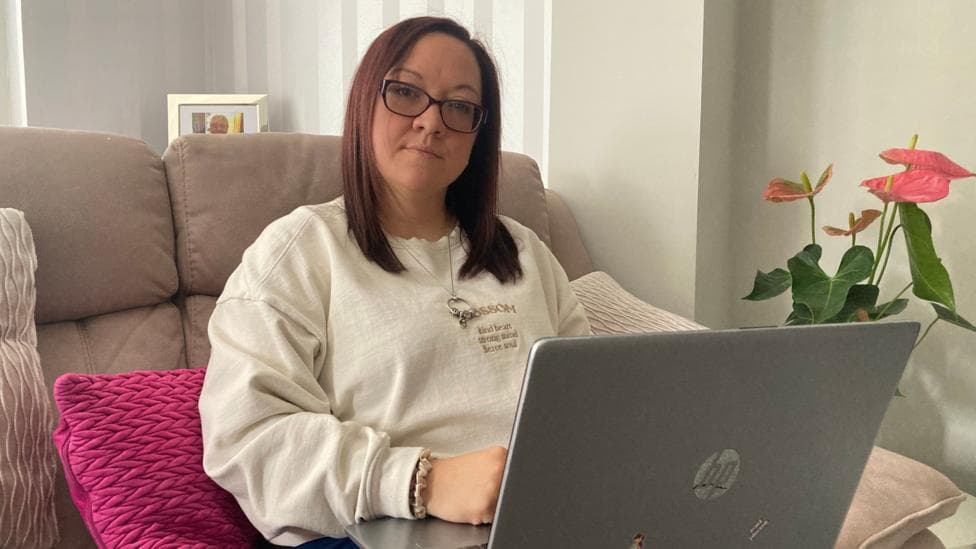
Kelly Birkett, a personal accountant from Redditch and mother of two, explained her family's predicament.
"The £100 is good, but it's not great. It just gets absorbed into everything else families have to pay for, just to get by."She described how her household was already planning cuts in the wake of the Budget announcement.
"I know I sound a little ungrateful for the £100, and I don't want to be. I'm certainly not ungrateful. But in reality we're no better off. With the temperatures dropping we know the heating will have to be on, the children can't be cold. We'll dig deep to make sure we're a little more conservative when it comes to the heating, but for sure it's something most families will be worried about."
Mark Sumner, a coach driver from Alcester, shared a similar perspective. He and his wife had sold their previous home partly to clear debts accumulated from energy bills and other expenses.
"We know our bill will go up again, you're just dreading it each time the increase comes around, as to how much it will be,"he told the BBC.
"I very rarely take our children out for anything to eat anymore, and we're very careful about what we spend at the shops. What the government has announced is helpful. I don't want to be ungrateful so I will say it's helpful for us, but it probably only covers one month of bills. So it's a slight help, but it's not enough."
What support is the government providing?
The government maintains that millions of families will benefit from the Budget measures. In addition to the energy payment, the package includes a freeze on fuel duty, a 3.9% increase in the minimum wage, and the scrapping of plans to reduce the £20,000 tax-free limit on Individual Savings Accounts. The VAT cut on electricity bills, originally set to expire in April 2027, will be extended to July 2027.
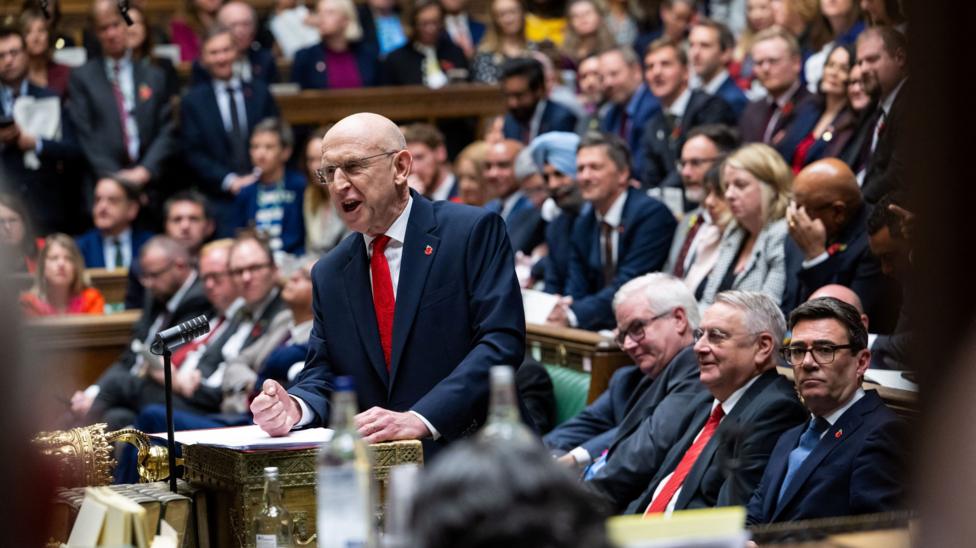
Chancellor Healey characterised the energy announcement as one component of a wider support strategy.
"Conflict in the Middle East and Europe is hitting families here at home through higher everyday costs. We can't control global events, but we can act where we can make a difference."He described the energy package as
"just a small part"of what the government is doing to help families.
How will the £100 payment be delivered?
The £100 payment targets eligible homes in council tax bands A to D in England, with the government estimating the payment could reach 83% of fuel-stressed households and 88% of households in the bottom three income deciles in England. Local authorities are due to begin delivering the payments from January 2027. Devolved governments in Scotland, Wales and Northern Ireland receive funding to provide similar support to their residents.
The £100 payments will be funded through a temporary increase in the Bank Corporation Tax Surcharge from 3% to 6%, running from 1 January 2027 to 31 March 2028.
What changes are planned for gas standing charges?
Gas standing charges average £108 a year, and the government estimates that moving them to unit rates could save 60% of account-holding households an average of £45 annually. The government has asked Ofgem to remove gas standing charges, with implementation targeted for the end of 2027 or as soon as possible after. The fixed costs will instead be added to gas unit rates, making bills fairer for households that use less gas.
The government has also committed to reforming electricity standing charges, with details due to be announced next year. However, no definitive date has been set for these changes to take effect.
What happens next?
Local authorities will begin delivering the £100 payments from January 2027. Ofgem is expected to deliver the gas standing-charge reform by the end of 2027 or as soon as possible afterward. The government will provide further details on electricity standing-charge reforms in the coming year.
The concerns raised by West Midlands residents reflect broader anxieties about energy costs. Earlier this year, energy suppliers warned that a 16% price increase in January could trigger a second energy crisis, with typical household bills forecast to reach £1,999. Industry bodies have called for expanded government support as winter bills continue to rise.