Scottish Green MSP Q Manivannan has apologised for the distress caused by remarks made in a podcast interview in which they described a "demonisation" of rape and referred to it as existing on a "spectrum". The comments, recorded before Manivannan's election to the Scottish Parliament in May, resurfaced online over the weekend and prompted swift criticism from survivor groups and political rivals alike.
Manivannan, who won a seat as a Scottish Green MSP in May's election, said the clips being circulated had been "selectively edited" and did not reflect the full context of the conversation. Despite disputing how the remarks were presented, the MSP said they were sorry for the hurt caused and stressed they would never seek to belittle the experience of a rape survivor.
The Scottish Rape Crisis Alliance, an umbrella body representing four rape crisis centres in Glasgow, Lanarkshire, Ayrshire and the Western Isles, issued a warning before Manivannan's apology, stating firmly that there is no such thing as a hierarchy among different rapes and cautioning against any minimisation of sexual violence.
What did Manivannan actually say in the podcast?
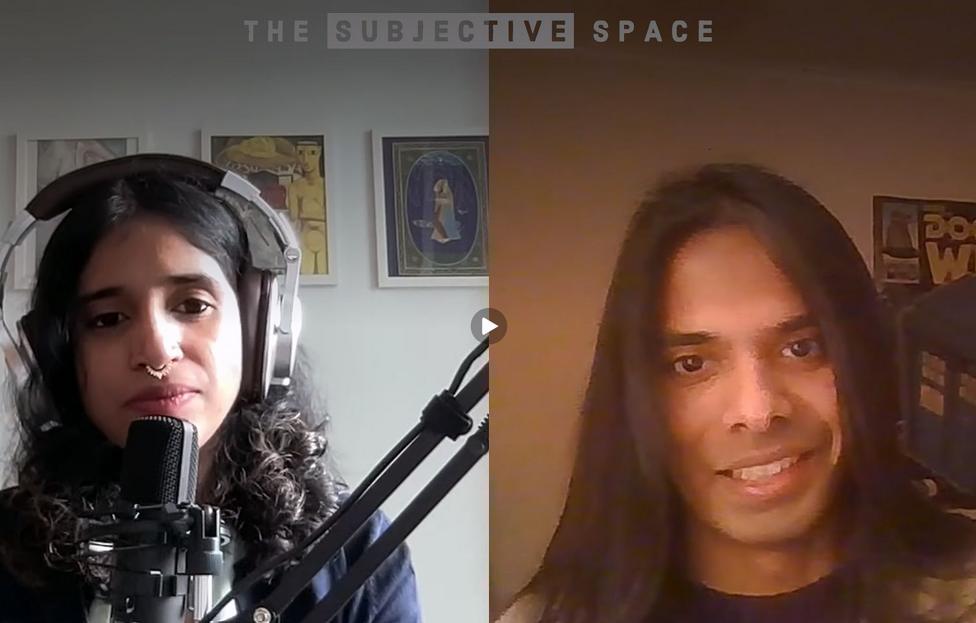
The remarks were recorded during an episode of The Subjective Space podcast last year, before Manivannan entered Holyrood, in a wider discussion about the pressures faced by carers that turned to the question of rehabilitating rapists. Manivannan, an Edinburgh-based former writer and academic who identifies as non-binary and uses they/them pronouns, argued against what they called the "myth of the monster rapist", suggesting instead that a "demonisation of rape" existed because it is treated as a single category rather than a range of different acts.
It is a spectrum, none of which is any less or worse, but it is a spectrum of things that constitute one homogenised word 'rape'.
Manivannan went on to say that the common image of a rapist as a "big burly man" was an understandable source of fear, but told the female podcast host that anyone, including the two of them, was capable of committing rape.
Any individual is capable of rape, including yourself and me, and I think that scary thought is the hardest to contend with.
According to further reporting on the podcast, Manivannan also said in the same discussion that the vast majority of sexual violence is carried out by men known personally to their victims, and argued that legal definitions of rape and sexual violence are often too narrow, which they said can let abusive behaviour continue without consequence. The podcast episode itself was titled On Care, Grief & Words and had been uploaded the previous year, according to a report from a national radio broadcaster, which also noted that the discussion centred on offender rehabilitation and broader social factors rather than being delivered in Manivannan's capacity as an elected representative.
Why has this sparked such strong criticism?
Survivor organisations and opposition politicians say the language used by Manivannan risks downplaying both the severity and the lasting psychological impact of rape. In an open letter, the Scottish Rape Crisis Alliance rejected any suggestion that rape could be ranked or graded, insisting no survivor should ever have to question whether what happened to them was serious enough to count.
We are not demonising rape. We are naming it.
The alliance urged politicians to avoid language that could normalise sexual violence or create what it called hierarchies of harm. Without naming Manivannan directly, the United Nations Special Rapporteur on Violence against Women and Girls, Reem Alsalem, posted on social media platform X that rape should never be characterised as existing on a spectrum.
Scotland's Children's Minister, Siobhan Brown, told a Sunday current affairs programme that Manivannan's choice of words had been misjudged. Scottish Labour and the Scottish Liberal Democrats also criticised the comments, while the Scottish Conservatives went further, calling on the Scottish Greens to suspend the MSP. The party's equalities spokeswoman, Meghan Gallacher, said it was deeply alarming that any elected representative would suggest offences of this kind exist on a spectrum. Separately, Scottish Labour's Tracy Gilbert called on Manivannan to retract the comments and apologise, saying there is no spectrum when it comes to rape, according to a summary of the controversy.
How has Manivannan responded to the backlash?
In a statement issued on Monday afternoon, Manivannan said they were horrified that footage had been, in their words, selectively edited to mislead the public and misrepresent their views. The MSP said they had explicitly stated during the original interview that every instance of rape, in every context, is equally serious and harmful, and argued that this part of the conversation had been deliberately omitted from the clips shared online.
I recognise that the words in the clip shared, without the full context of the conversation, have caused considerable upset. For that I apologise. I will always stand with and for victims and survivors.
Manivannan disclosed that they are themselves a survivor of sexual violence and said they understood first-hand the lasting trauma such experiences can cause.
I would never seek to diminish or dismiss any survivor's experience, or to make anyone feel that their pain was not heard or understood.
I am genuinely sorry to everyone who has been distressed, hurt or triggered by the clips, and by the discussion and coverage that has followed. Words matter, particularly when speaking about something as deeply personal and painful as sexual violence, and I regret this hurt caused.
The controversy has since escalated further. Reform UK publicly attacked Manivannan over the resurfaced clip, prompting the MSP to respond that their comments had been, in their own words, clearly misrepresented and taken out of context, and that any suggestion they were minimising or excusing rape or sexual assault was deeply false and misleading, according to a report on the exchange. Manivannan also said the intention behind the original "demonisation" remark had been to challenge the stereotype that all rapists share a single identifiable profile, rather than to lessen the seriousness of the crime.
Despite the pressure from opposition parties, the Scottish Greens have decided not to withdraw the whip from Manivannan over the affair, according to a national radio broadcaster's report, meaning the MSP retains their party affiliation within Holyrood for now.
This is not the first time Manivannan's position at Holyrood has attracted scrutiny. Earlier this year, questions were raised over their eligibility to stand for the Scottish Parliament while on a student visa, an issue examined in our earlier coverage of the debate over Manivannan's immigration status, which noted that a 2024 rule change allowed non-UK citizens with limited leave to remain to stand as candidates.
Key Facts
- Q Manivannan was elected as a Scottish Green MSP in the Scottish Parliament election in May 2026.
- The controversial remarks were recorded during a 2025 episode of The Subjective Space podcast, titled On Care, Grief & Words.
- The Scottish Rape Crisis Alliance represents rape crisis centres in Glasgow, Lanarkshire, Ayrshire and the Western Isles.
- The Scottish Conservatives called for Manivannan's suspension, but the Scottish Greens have declined to withdraw the whip.
- Manivannan has apologised for the hurt caused while maintaining the clips were selectively edited and misrepresented their views.