A single mother has expressed concern that following government guidance to build emergency supplies would force her to cut spending on childcare during school holidays, highlighting the tension between preparedness advice and the financial reality facing low-income households.
Samantha Richards, 47, works full-time and depends on Universal Credit and her son's disability allowance to manage household expenses. She told BBC News that the government's call to prepare reminded her of "survival of the fittest". Health Secretary Wes Streeting had advised people to keep water, tinned goods, baby food, torches and mobile phone charging packs on hand for emergencies.
The UK government launched its "Be Ready" campaign on 22 October as the first stage of a three-year initiative to help households prepare for crises such as war, cyber attacks or natural disasters. The recommendations call for three days' worth of bottled water and tinned food, though officials stressed that households do not need to purchase everything simultaneously.
Samantha has some emergency items already—torches and blankets—and ensures food never completely runs out. However, her autistic son requires refrigerated safe foods and would be unable to eat standard tinned goods if an emergency occurred.
"I think the advice is good, but we do want to know what [the government] plan to do in the event of us needing this,"she said. She has decided to prioritise bottled water, believing it is more critical than food for survival.
Why experts say the guidance misses the mark
Ruth Patrick, a professor at the University of Glasgow who leads the Changing Realities project—a collaboration involving more than 200 low-income parents and carers across the UK—said the government's approach fails to account for widespread poverty.
"The UK government's guidance will appear at best tone deaf and at worst almost insulting to the 14 million households currently facing poverty across the UK,"she stated.
"There is a profound mis-match between this suggestion and the daily realities for parents and carers on a low-income up and down the country who are struggling to get by, especially as costs continue to rise and the temperatures drop."
According to the Joseph Rowntree Foundation's cost of living tracker published in July 2026, 7.4 million low-income families in the UK were unable to afford essential items in the previous six months, and 1.5 million households had used a food bank during that period. Yasmin Ibison, a senior policy adviser at the foundation, questioned how households already struggling with basics could afford additional stockpiling.
"When we have millions of people who already can't afford essentials like food, heating, basic toiletries, the question I ask is how are they going to afford to buy additional items in their cupboards if they're already struggling to meet these most basic and everyday needs?"
What should emergency preparedness actually include?
Ana, founder of the UK Preppers Club on Facebook, grew up watching her grandmother and mother maintain a rotating pantry for emergencies, including growing and preserving their own food. She expressed disappointment that the government announcement lacked practical guidance on what to do during an actual emergency.

Ana suggested that preparedness advice should address specific scenarios: how to flush a toilet without running water, where the family would meet if their home became inaccessible, or who would collect children from school if power failed.
"It doesn't have to be the Armageddon's happening, but just generally having a coherent plan of the family. What happens if?"she said.
"What happens if there's no power? What do you do? All those kind of little plans."
Ana's Facebook group grew by 300 members in under three days following the government announcement. She credited a personal crisis—being heavily pregnant during the Covid lockdown and undergoing an emergency caesarean section—with motivating her focus on preparedness. Unable to breastfeed, she struggled to find infant formula and was quoted £300 online when supermarkets were out of stock.
"Look after your family, then, if something like this happens, you don't have to leave people, like myself at the time, vulnerable,"she said.
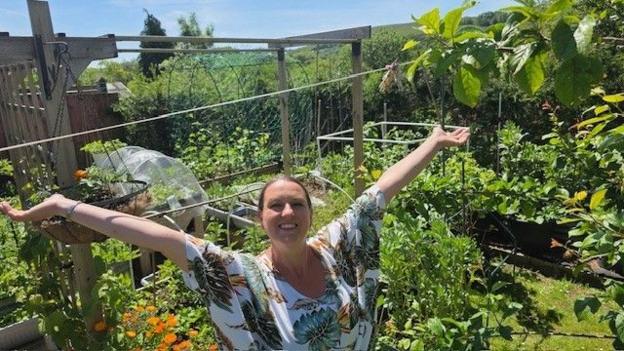
Ana's recommendation for those with limited budgets is straightforward: pick up an extra tin or pack of crackers during regular shopping trips to gradually build supplies without a sudden financial burden.
How can households realistically prepare?
Donna Lloyd, 60, a supply teacher in Denbighshire, has been preparing for emergencies with her wife since a power cut during the Covid lockdown revealed they had no way to cook. She acknowledged that
"in all honesty, no, it is not realistic"for everyone to afford emergency supplies.
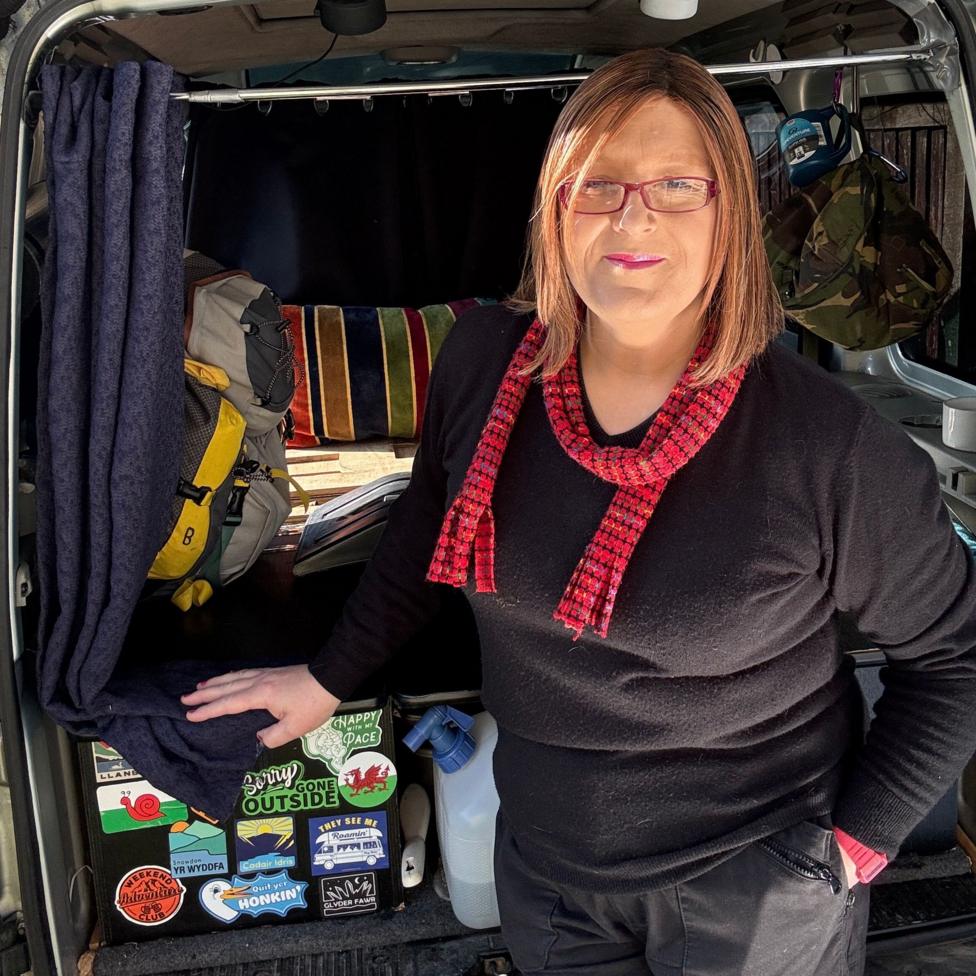
Lloyd believes the government should use television programmes to explain preparedness strategies. Beyond stockpiling, she advocates for teaching first aid, water gathering and purification techniques, and methods to power essential items using solar power, power banks or generators.
According to the Independent, the government's online checklist recommends approximately three litres of drinking water per person per day, plus additional water for cooking and washing, alongside cash, hygiene supplies, a radio, first-aid items and essential medication. ITV News reported that the government advises adding supplies gradually during ordinary shopping trips and checking the kit every six months for expired items or changed household needs.

Government response and international context
The UK government defended its campaign, stating:
"This campaign is about providing the public with simple steps to ensure households are properly prepared, freeing up front line services to support those most in need in the case of emergencies like extreme weather or power outages. The advice is clear, you don't need to do it all at once. Build up your readiness gradually over time by taking it step by step, and picking up an extra item or two when you can."
The government has published household resilience advice since May 2024. The three-day preparedness benchmark used in the campaign is also employed in France, Ireland and the Netherlands, suggesting it reflects an international standard for emergency readiness.
What comes next
The government's preparedness campaign is planned to run for three years, with the "Be Ready" initiative representing its opening phase. The campaign aims to help households take incremental steps toward emergency readiness without requiring large upfront expenditures, though critics argue that even gradual spending remains unaffordable for families already stretched by the cost of living.