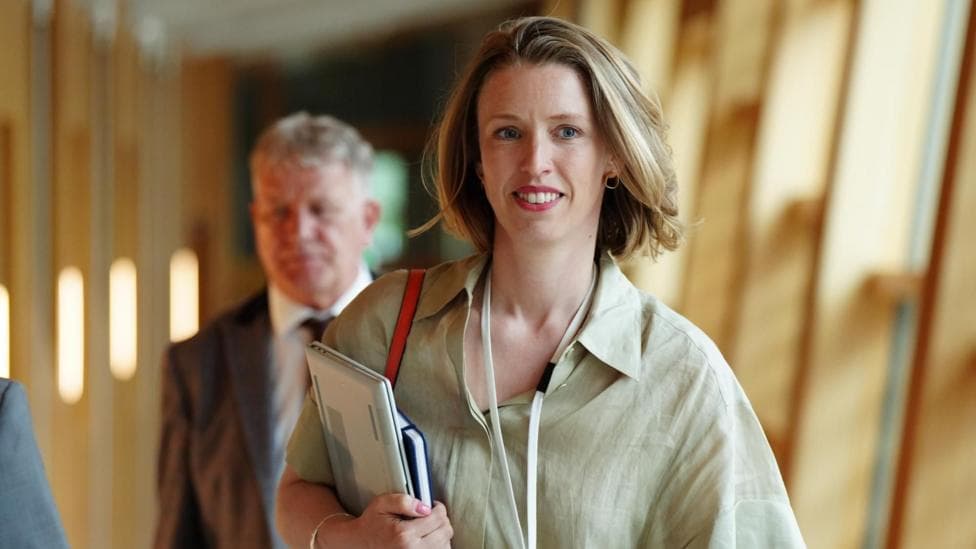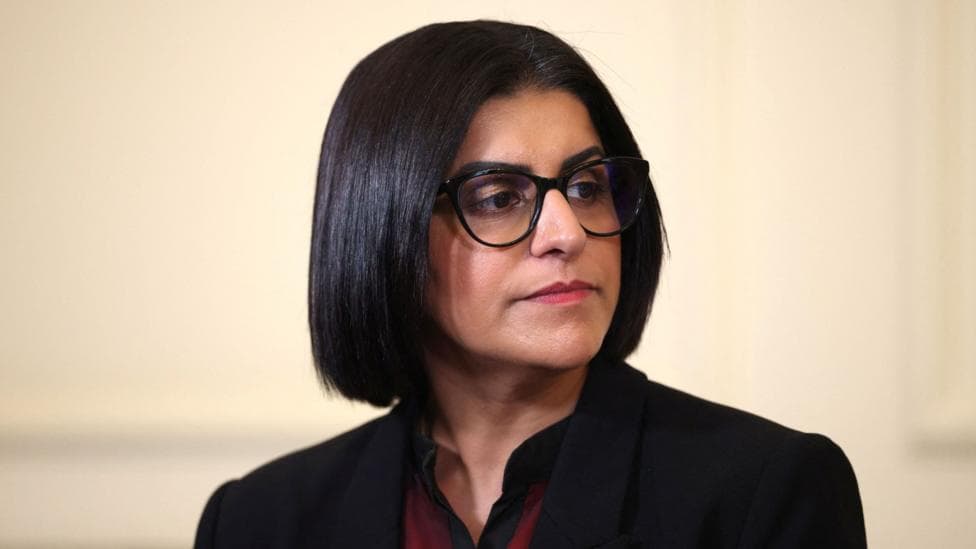
Political figures who are not currently serving as MPs will receive police protection, Home Secretary Shabana Mahmood announced on Monday. The expanded scheme will extend to peers, former MPs and party spokespeople, addressing what Mahmood described as
insufficient protectionfor those in public life.
Alongside the protection announcement, Mahmood revealed an urgent, independent review of security arrangements for high-profile figures including politicians and royals. According to the Home Office, the expanded police support takes effect immediately.
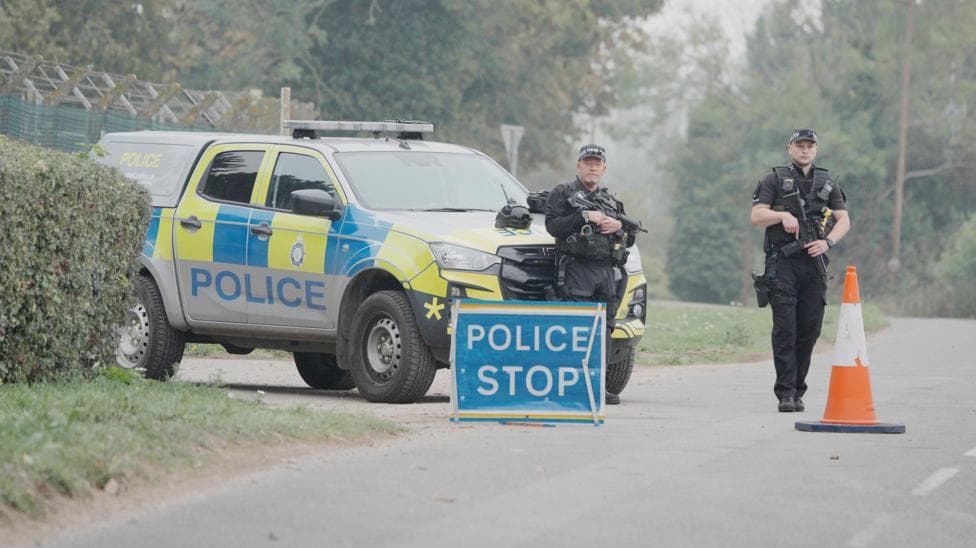
The measures follow the death of Reform UK spokeswoman and former Conservative MP Ann Widdecombe, who was found dead at her Devon home three months ago with serious injuries. Joshua Kerry, 28, has been charged with her murder and also with preparing acts of terror against Reform UK leader Nigel Farage.
What will the protection involve?
Mahmood did not provide extensive detail on the nature of the support, but confirmed it will include access to a named police officer and assistance with broader security measures. The scheme represents a significant expansion of existing protective arrangements for elected representatives.
Why has this become urgent?
For those who serve, politics is a calling. Robust debate and criticism are part of this job - threats, abuse and violence are not,Mahmood stated. The safety of politicians has become increasingly prominent following the murders of Conservative MP Sir David Amess in 2021 and Labour MP Jo Cox in 2016.
Data released earlier in the year showed a sharp rise in offences against MPs. Between 2019 and 2025, MPs reported 4,064 crimes to the Metropolitan Police's Parliamentary Liaison Team. In 2025 alone, 976 alleged offences were recorded, compared to 364 in 2019. Death threats increased to 50 in 2025 from 31 the previous year, with most reported crimes involving malicious communications, harassment and criminal damage.
We owe it to them and to everyone who believes in a fair and open country to ensure that those who serve at all levels receive the protection they deserve,Mahmood added.
What will the independent review examine?
The review will be led by former national security advisor Stephen Lovegrove and will assess physical threats, online risks and dangers arising from increased political polarisation. According to the government's announcement, the review will also consider protection for former members of devolved parliaments and locally elected representatives. The review will evaluate whether security funding and measures are deployed effectively and proportionately, and whether threat and risk-based decisions can be made more consistently. However, the government confirmed the review will not assess individual cases.
Mahmood confirmed the review will report within six months and will complement existing work by Sir Robert Buckland, who is leading a separate review into the murder of Sir David Amess.
How have political parties responded?
Shadow Home Secretary Chris Philp welcomed the extension of protective measures, arguing that threats to elected representatives constitute threats to democracy itself. Reform UK's home affairs spokesperson Zia Yusuf also welcomed the review but expressed frustration with the timing:
It is disappointing that it took the murder of one of our colleagues, countless threats towards our party spokespeople and months of campaigning from Reform UK to make this government take action.
What other security concerns have emerged?
The Widdecombe case has raised broader questions about politician safety and accessibility. A dossier reportedly discovered at Joshua Kerry's home contained more than 100 high-profile names, including Conservative leader Kemi Badenoch and members of her shadow cabinet. Police contacted individuals named in the document, but the discovery prompted questions about whether people had been warned promptly, with one senior Conservative MP reporting she was briefed months after police reportedly found the list.
What happens next?
The review is expected to report within six months of the 12 October announcement, though the government has noted that the terms of reference and timeframe remain subject to agreement with Sir Stephen Lovegrove. The expanded police protection scheme is already in operation.
Key Facts:
- Non-MP political figures including peers, former MPs and party spokespeople will now receive police protection with access to a named officer
- An independent review led by former national security advisor Stephen Lovegrove will examine security for high-profile figures within six months
- Offences against MPs rose from 364 in 2019 to 976 in 2025, with death threats increasing from 31 to 50 in the most recent year
- The review will assess physical threats, online risks and the impact of political polarisation, and will also consider protection for devolved parliament members and local representatives