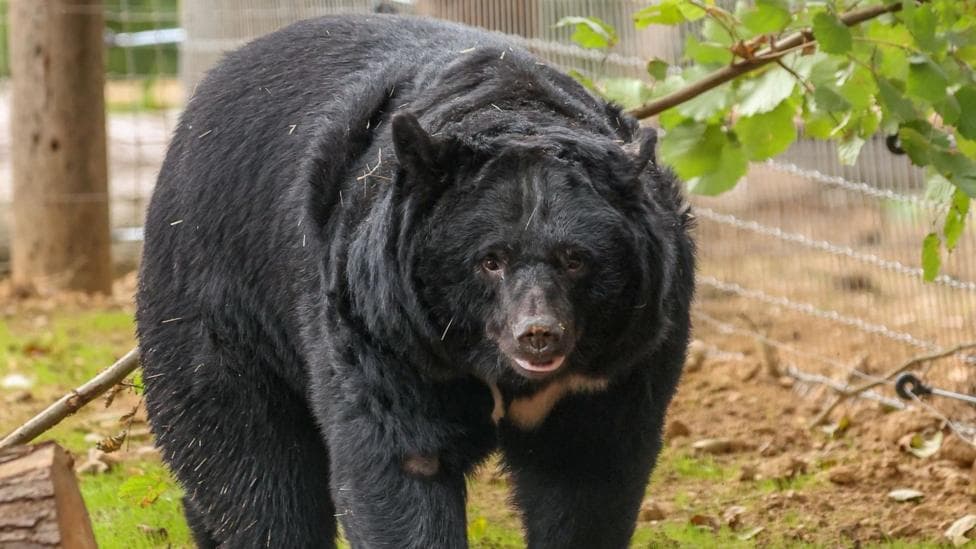
Five Asiatic black bears, commonly known as moon bears, have completed a 5,500-mile (8,850km) journey from South Korea to their new home at Jimmy's Farm & Wildlife Park near Ipswich in Suffolk. The animals, named Bara, Rumi, Saebit, Yonggi and Huimang, arrived on Thursday after spending decades confined in cages at one of South Korea's bear bile farms. This marks the first time moon bears from South Korea's bear bile trade have been rehomed in the United Kingdom.
The rescue operation was coordinated by Jimmy's Farm & Wildlife Park and its charity partner, Space for the Wild. Before the relocation took place, veterinarians cleared all five bears for the long-distance flight, ensuring their health and readiness for the journey. The park has created a dedicated reserve specifically designed for the bears, featuring climbing structures, swimming areas, and natural surroundings with trees and grass.

What conditions did the bears face before rescue?
The bears had endured years of confinement at facilities where bile was extracted from their gallbladders for use in traditional medicines. They were typically kept in poor conditions with minimal space or enrichment. Jimmy Doherty, founder of the wildlife park, described his first encounter with the animals as deeply distressing.
I will never forget meeting the bears for the first time. It was truly hell on earth. You cannot unsee these things.He explained that witnessing their suffering strengthened the team's commitment to securing their safety and providing them with a better quality of life.
Why were these bears held on bile farms?
Bear bile farming has a long history in South Korea, with the extracted bile traditionally used in medicinal preparations. However, the practice has faced increasing opposition from animal welfare advocates and international organisations. South Korea's government responded by implementing a comprehensive ban on the breeding, possession and extraction of bile from bears. According to reporting on South Korea's enforcement measures, violators of the revised law now face prison terms. A 2022 agreement among officials, farmers and animal-rights campaigners had set 1 January 2026 as the target date to prohibit bear bile farming, and the ban has now taken effect.

How many bears remain in South Korea?
Despite the ban, approximately 200 bears are still held in pens across South Korea, according to international reporting on the ongoing situation. South Korea's Environment Ministry has granted farmers a six-month grace period following the ban's implementation, during which bile extraction remains punishable by law. The remaining animals are required to be kept only in designated facilities under the new regulations.
How is the rescue being funded?
Jimmy's Farm & Wildlife Park launched a public fundraising campaign to support the rescue operation. To date, the park has raised more than £90,000 towards its target of £200,000. The funds cover the costs of transportation, veterinary care, habitat construction and ongoing welfare for the five bears.
The work, dedication and public support of so many have made this a reality. I couldn't be more grateful to all involved.Doherty emphasised the importance of community involvement in making the rescue possible.
What happens next for the bears?
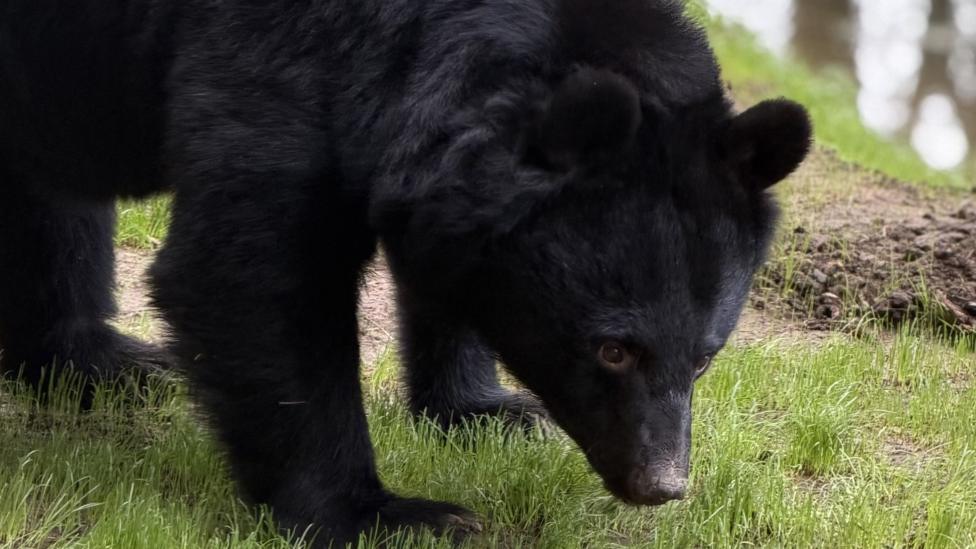
The five bears will now spend the remainder of their lives at Jimmy's Farm & Wildlife Park, where they can engage in natural behaviours including climbing, swimming and foraging among trees and grass. The dedicated reserve provides a stark contrast to their previous confinement, offering space, enrichment and professional care. The park continues to accept donations towards its £200,000 fundraising target to ensure the long-term welfare of the bears and support future rescue efforts.
Key Facts:
- Five Asiatic black bears arrived at Jimmy's Farm & Wildlife Park in Suffolk on Thursday after being rescued from South Korean bile farms
- The 5,500-mile relocation represents the first time moon bears from South Korea's bear bile trade have been rehomed in the UK
- South Korea banned bear bile farming in 2025, with approximately 200 bears still remaining in designated facilities
- The rescue campaign has raised over £90,000 of its £200,000 target
- The bears' new home features climbing structures, swimming areas and natural vegetation designed for their wellbeing