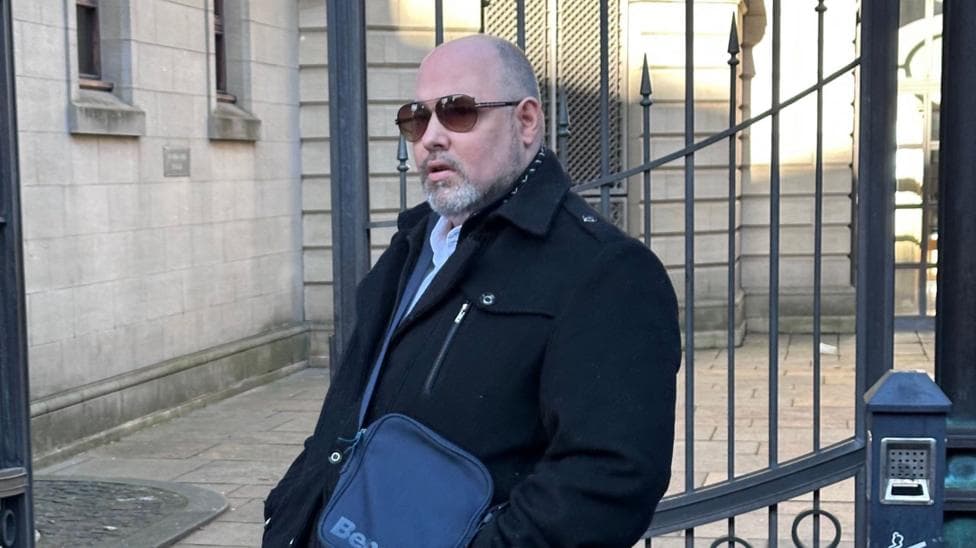
Luke Anstee, a 23-year-old IT worker, is cautiously weighing the merits of the government's forthcoming Your First Home scheme, which promises to help first-time buyers purchase property with deposits as low as 2.5%. According to BBC News, Anstee has expressed reservations about taking on additional borrowing through the equity loan component of the programme, despite his desire to establish permanent roots after years of relocation.
Anstee's childhood was marked by frequent moves across Germany and the United Kingdom due to his father's military service. He has never remained in a single location for more than three years, and he views home ownership as an opportunity to achieve the stability he has long sought. The government is expected to reveal further details of the Your First Home scheme during the Budget announcement on Wednesday 28 October 2026.
The 23-year-old earns more than £25,000 annually and currently shares a house with others. Despite setting aside money each month for the past three years, he acknowledges that purchasing a home remains a distant prospect. His savings efforts have been constrained by rising living costs and the burden of repaying his student loan, which he must begin servicing as he enters his final year of university.
Anstee described the squeeze on his finances in stark terms. His weekly grocery bill has risen from £20-30 to approximately £60, while petrol costs have climbed from the high 40s or low 50s to nearly £70 per tank. He noted that while he has eliminated discretionary spending such as subscription services, the cumulative effect of these increases has made it substantially harder to accumulate savings for a property purchase.
How does the Your First Home scheme work?
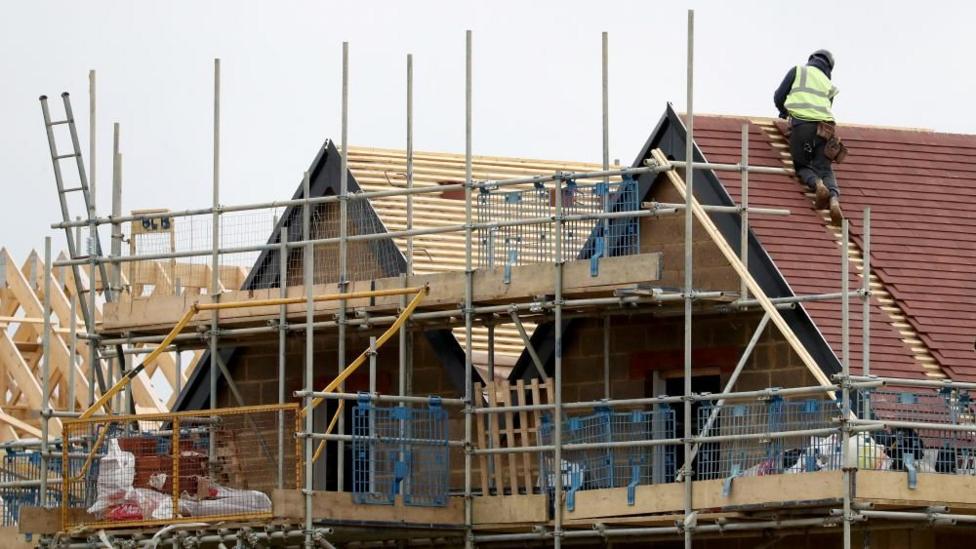
Under the proposed scheme, eligible first-time buyers in England would receive a government-backed equity loan equivalent to 20% of a new-build home's value. Households earning less than £110,000 would qualify for the programme, with the threshold rising to £140,000 for properties purchased in London. The equity loans would carry an initial interest-free period before standard interest rates apply, enabling buyers to acquire homes with minimal upfront deposits.
The scheme represents the government's latest attempt to address the deposit barrier that has prevented many young adults from entering the property market. Ministers reportedly raised the proposed income limits from £90,000 outside London and £110,000 in London after concerns the lower thresholds would exclude too many middle-earning couples, including teachers and nurses. The initiative draws inspiration from earlier programmes such as Help to Buy, which similarly employed equity loans to facilitate home purchases.
Prime Minister Andy Burnham unveiled the scheme at last month's Labour conference, emphasising that it would prioritise those who genuinely require assistance. Unlike previous schemes that imposed no income restrictions, the Your First Home programme incorporates eligibility caps to prevent wealthier households from accessing the benefit. The scheme is limited to new-build homes in England sold by developers signed up to participate, and local property-price caps will also apply.

Why are some buyers hesitant about the scheme?
Anstee expressed significant concerns about the long-term financial implications of accepting an equity loan. He emphasised that the government has not specified the duration of the interest-free period, meaning that once standard interest rates commence, the additional borrowing could become substantially more expensive. He characterised the scheme as a gamble that depends on future interest rates remaining stable, a condition he views as uncertain.
Julia Weston, an estate agent based in Wellington with more than 30 years of industry experience, echoed these concerns. She highlighted the risks posed by interest-rate fluctuations at mortgage renewal points. If a buyer were to accept a shared-equity loan and interest rates subsequently increased, they would face a significant additional financial obligation when their mortgage came up for renewal in five years. Weston also pointed to other unpredictable life events—job loss, unexpected family changes, or loss of household income—that could render the combined mortgage and equity-loan payments unaffordable.
Weston further noted that buyers would not only be responsible for repaying their share of the property value but would also need to account for rental payments on the government's equity stake. This dual obligation creates a more complex financial arrangement than a conventional mortgage, potentially making the scheme less attractive to cautious buyers.
What information gaps remain?
A mortgage broker warned that buyers and advisers still lack key information on repayment terms, how the loan interacts with a mortgage at sale or remortgage, and what happens after the interest-free period. These uncertainties have prompted calls for enhanced access to independent mortgage advice to help prospective buyers understand the full implications of participating in the scheme.
The government says participating developers will be expected to contribute toward the scheme's costs, though the precise mechanisms and extent of this contribution remain unclear pending the Budget announcement.
What happens next?
Chancellor John Healey is scheduled to deliver the Budget on Wednesday 28 October 2026, at which point the government will confirm full details of the Your First Home scheme, including implementation timelines and comprehensive cost assessments. This announcement will provide prospective buyers like Anstee with the specific information needed to evaluate whether the scheme aligns with their financial circumstances and long-term objectives.