

Glyn Razzell, from Crewkerne in Somerset, was convicted in 2003 of murdering his estranged wife Linda Razzell, who disappeared in March 2002 while travelling to her job at Swindon College in Wiltshire and whose body has never been found. He was jailed for life with a minimum term of almost 16 years, but in April 2026 the Parole Board ruled that he could be released on licence despite his continued refusal to say what happened to Linda's remains. That decision is now being challenged at a two-day High Court hearing, where Linda's former partner told judges that Razzell is still exercising coercive control over the family "even in death".
Linda vanished amid divorce proceedings, and according to a family case overview compiled by her relatives' supporters, police searched more than 200 locations across the Swindon area in the effort to find her body (family case overview). The Parole Board has previously relied on Helen's Law, which requires it to weigh a killer's refusal to disclose a victim's burial site when assessing release, and it had ruled against freeing Razzell on three separate occasions between 2019 and this year's decision.
What did Linda's partner tell the court?
Greg Worrall, who was in a relationship with Linda at the time of her death, gave evidence via video link and said the family had only been able to move forward because they believed Razzell no longer posed a danger.
We have rebuilt our lives based on the fact he cannot harm us any more.
Worrall said Linda's four children had endured immense hardship but had, with the help of friends and family, found love and purpose despite a sadness that would always remain. He argued that Razzell's continued silence over the location of Linda's body amounted to an ongoing offence.
He is still committing the crime of denial of lawful burial and exercising coercive control... We need an end to the ongoing agony.
He also questioned whether releasing Razzell would put him, his family or the wider public at risk.
Am I safe? Are my family safe? Are the wider community safe?
What has the Parole Board decided so far?
A Parole Board panel found in 2023 that Razzell:

does not want to lose his desired status of being a 'wrongly convicted murderer'.
In its April 2026 ruling, the panel said it held "serious doubts" about his honesty and identified a "very significant" risk in the context of relationships, though it judged that this risk was "not imminent". The board concluded he would likely comply with licence conditions because he was "strongly motivated not to return to custody".
Why is the case now before the High Court?
According to a later BBC update, the High Court proceedings are focused on whether the Ministry of Justice was right to challenge the Parole Board's April decision to release Razzell, rather than on revisiting his original murder conviction (BBC report). The Ministry referred the case to the court, arguing that the Parole Board had failed to properly assess the risk Razzell continues to pose.
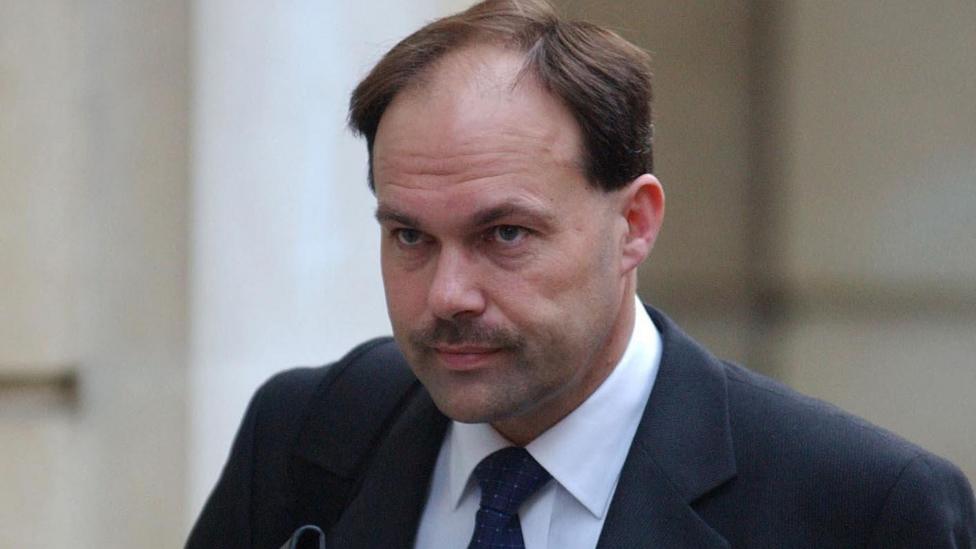
Razzell, who attended the London hearing in person, has consistently denied killing Linda.
What did lawyers for Razzell argue?
Matthew Stanbury, representing Razzell, urged the court not to place undue weight on any single factor.
There should not be undue focus on one particular course which is seen as a silver bullet in fixing risk.
In written submissions, he described the Parole Board's original decision as "detailed and thorough" and argued that the Ministry of Justice's case "comes close to treating denial as conclusive to risk".
What happens next?
Because the hearing is scheduled to run over two days, a ruling is expected only after it concludes, according to the same BBC update. Mrs Justice Cheema-Grubb, presiding over the case, told the court she would give her decision "in a matter of weeks".
I hope there is some movement in the defendant's mind. It is in his hands to do so.
Key Facts
- Glyn Razzell was convicted in 2003 of murdering his estranged wife Linda Razzell and jailed for life with a minimum term of almost 16 years.
- Linda disappeared in March 2002 on her way to work at Swindon College; her body has never been found.
- Police searched more than 200 locations in the Swindon area during the investigation, according to a family case overview.
- The Parole Board ruled in April 2026 that Razzell could be released on licence, prompting a Ministry of Justice challenge at the High Court.
- Mrs Justice Cheema-Grubb said she would issue her ruling within a matter of weeks.


