A 20-year-old drug dealer has received a six-year-nine-month prison sentence after admitting he exploited a 14-year-old schoolboy to distribute drugs on his behalf in what is believed to be one of the first convictions of its kind in Scotland. Matteullah Siddiqi targeted the teenager after meeting him at a games arcade in Glasgow city centre during the summer of 2025. The boy was coerced into abandoning school and spending time in drug dens before being discovered when school staff grew alarmed about his absences.
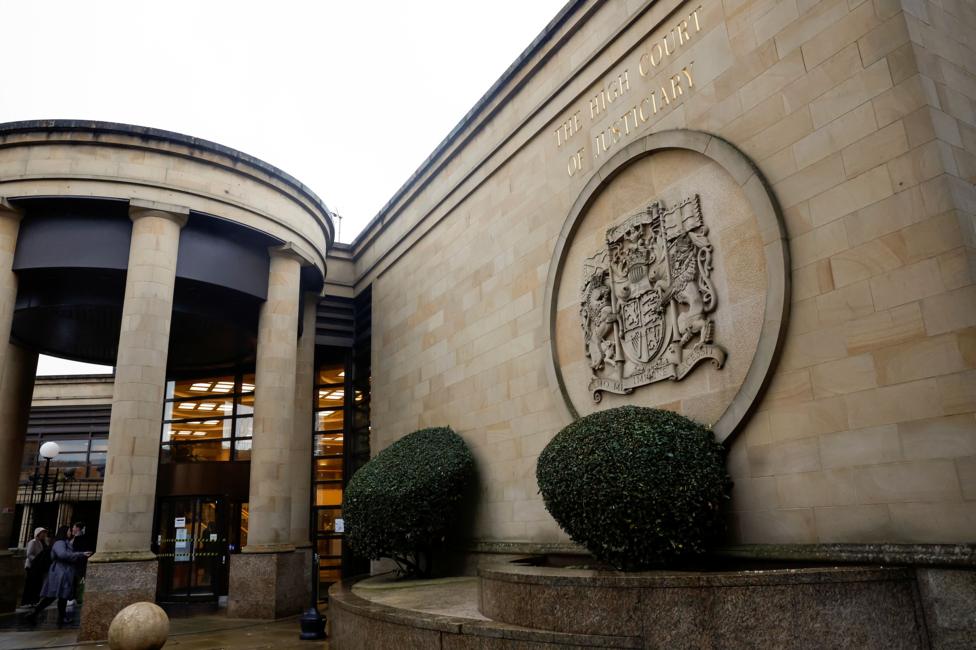
At the High Court in Glasgow, Lord Scott imposed the sentence and ruled that Siddiqi would remain on licence for a further two years following his release. According to court reporting, the case represents one of the first convictions under the Human Trafficking and Exploitation Act involving a child being exploited to deal class A drugs for financial gain.
How did the exploitation begin?
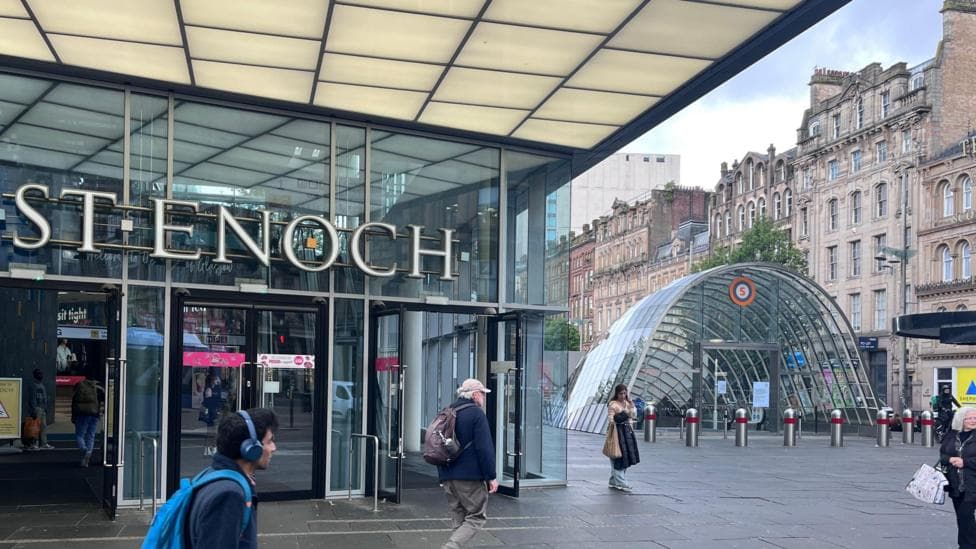
Siddiqi encountered the boy at Glasgow's St Enoch Centre during the school summer holidays in 2025, asking whether he was interested in "starting to make money". The teenager initially declined, suspecting the conversation concerned drugs. Siddiqi persisted, eventually convincing the child by suggesting the earnings could assist his mother financially. The dealer provided his Instagram account to the boy and subsequently gave him a mobile phone to maintain contact.
The youngster deceived his mother by claiming he was attending a "summer holiday camp" after receiving a message from Siddiqi. In mid-July, the teenager was transported to a known drug den in Glasgow, where he remained for several days and was instructed in how to "bag up" crack cocaine. Prosecutor Jennifer Nicholson-White explained:
"Siddiqi would attend the flat for only a couple of hours each day due to having an electronic tag. He would give the boy £20 to buy food."
What tasks was the boy forced to perform?
The child was subsequently transported by taxi to a filthy, rubbish-covered property in Paisley, Renfrewshire, where he was instructed to distribute "testers"—small samples of cocaine—to local drug users. He remained at the flat for the remainder of the week, handing out approximately 60 testers and receiving phone numbers of drug users. The prosecutor noted that Siddiqi generated roughly £700 daily from sales during this period.
The boy returned home around 21 July, and his mother was alarmed to discover him reeking of filth, as though he had not bathed in days. Despite this, he continued working for Siddiqi, alternating between the Paisley drug den and his family residence. Following the summer break, the teenager was instructed to travel to Ayr to distribute testers to addicts in that area.

How was the exploitation discovered?
The boy's school attendance deteriorated significantly, with him absent entirely for an 11-day period in September. Teachers grew concerned and contacted his mother. When questioned at a meeting, the teenager initially claimed he had skipped school to play football alone in a park, but train tickets to Ayr discovered on his phone contradicted this account. When his mother left the room, the boy confessed that he had been delivering "heavy drugs" provided by a 19-year-old male at a flat in Glasgow's east end.
His mother was described as "distraught" upon learning the truth. The boy was referred to the Home Office National Referral Mechanism, which provides support to victims of modern slavery, and was formally identified as a "victim of exploitation".
What happened to Siddiqi?
Police spotted Siddiqi in Glasgow's Castlemilk area on 19 September while he was holding two phones and appeared nervous. He attempted to flee from officers but was apprehended. During the struggle, one police constable sustained a serious shoulder ligament injury. Almost £3,000 worth of heroin fell from Siddiqi's jacket during the altercation and was seized by police.
In court, Siddiqi claimed he had also been "exploited". He pleaded guilty to being concerned in the supply of heroin and cocaine, as well as the aggravated assault of the police officer. Prosecutors accepted a not guilty plea to a separate allegation involving another teenage boy, narrowing the charges to the single exploitation case that proceeded to conviction.
Callum Hiller, Siddiqi's defence counsel, argued that his client came from a respectable background and that others had also been "pressuring" him.
Broader context of child exploitation in Scotland
This conviction reflects a growing pattern of young people being drawn into drug distribution networks across Scotland. In a separate case from June 2026, a 15-year-old schoolboy was possibly exploited into drug dealing before being fatally stabbed by two teenagers in Glasgow, highlighting the dangers faced by vulnerable youth. Additionally, Victor Kihu, 24, was jailed for six years and five months in June 2026 for exploiting vulnerable people in Aberdeen to facilitate a county lines drug network, demonstrating how dealers systematically recruit young individuals for drug supply operations across multiple cities.
The case received attention through a documentary broadcast by a national broadcaster's investigative programme earlier in the month, bringing public awareness to the methods used by dealers to exploit children for profit.
Key Facts
- Matteullah Siddiqi, 20, was sentenced to six years and nine months in prison, with an additional two years on licence following release
- The 14-year-old victim was coerced into distributing crack cocaine and heroin across Glasgow, Paisley, and Ayr during summer and early autumn 2025
- The case is believed to be one of the first convictions in Scotland under the Human Trafficking and Exploitation Act for child exploitation in class A drug dealing for financial gain
- Siddiqi was arrested on 19 September 2025 with almost £3,000 worth of heroin and two mobile phones, and assaulted a police officer during his apprehension
- The boy was formally identified as a victim of exploitation and referred to the Home Office National Referral Mechanism for support services