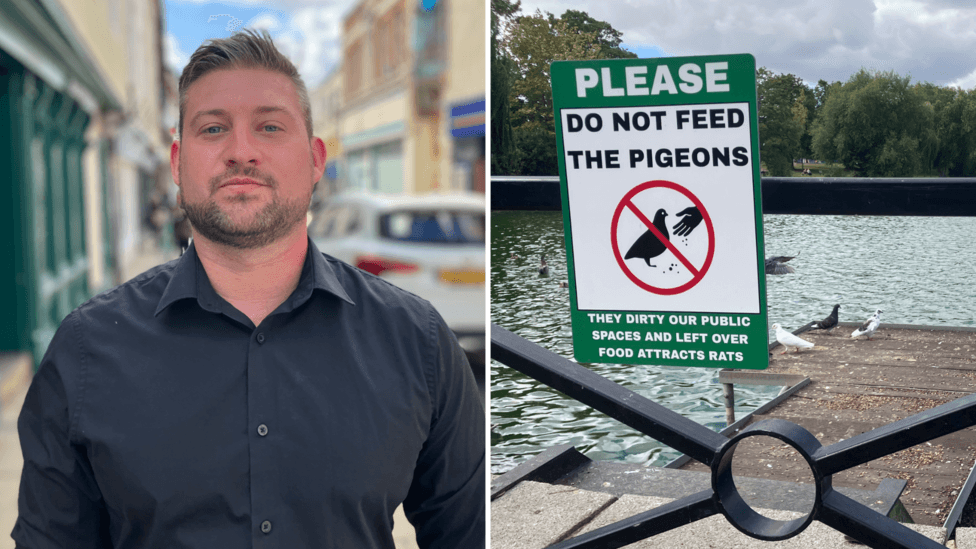
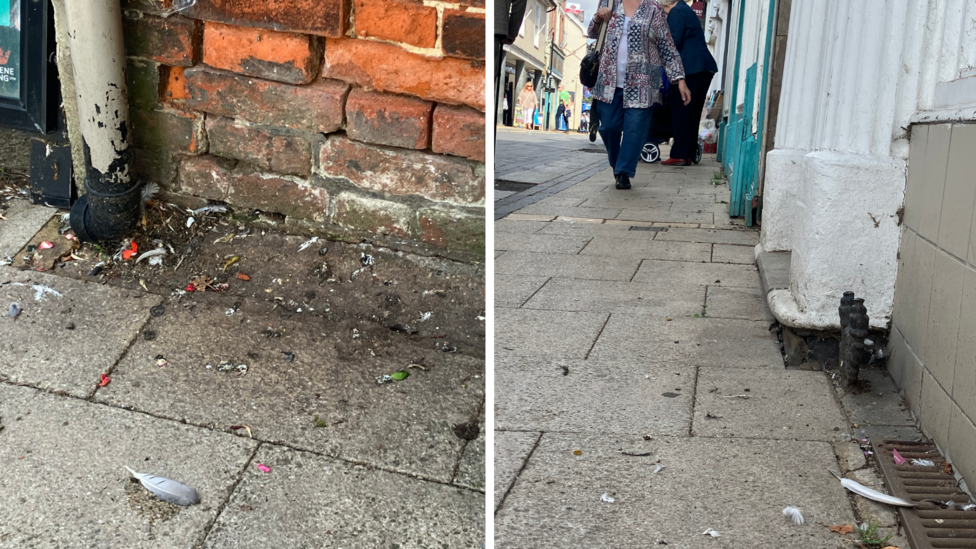
Pigeons have transformed Diss's Mere Street into a dirty eyesore, and efforts by the town council to drive the birds away have so far proved unsuccessful, according to the mayor. Declan Craggs, mayor of Diss in Norfolk, has acknowledged that ultrasonic sound devices and hired hawks have failed to deter the large pigeon population from congregating on the street. The council is now pursuing a multi-faceted approach involving property owners, residents, and cleaning schedules to manage the ongoing problem.
What measures has the council already tried?
Diss Town Council has deployed several deterrent strategies without lasting success. The authority employed a falconer's hawks to frighten the birds away from Mere Street, and installed ultrasonic sound devices designed to repel them. Despite these efforts, the pigeon population has remained largely unaffected. According to the council's latest update on 4 September 2026, regular cleaning alone has not solved the issue, prompting a shift toward a broader strategy involving multiple partners.
Craggs has urged residents and business owners to take personal responsibility for tackling the problem.
It is about taking ownership of the town you live in and the business you run. If everyone did their little bit, I think it would dramatically increase the appearance of Mere Street.The council has asked businesses in the town centre to consider installing spikes and other deterrents on their building ledges to prevent pigeons from roosting.
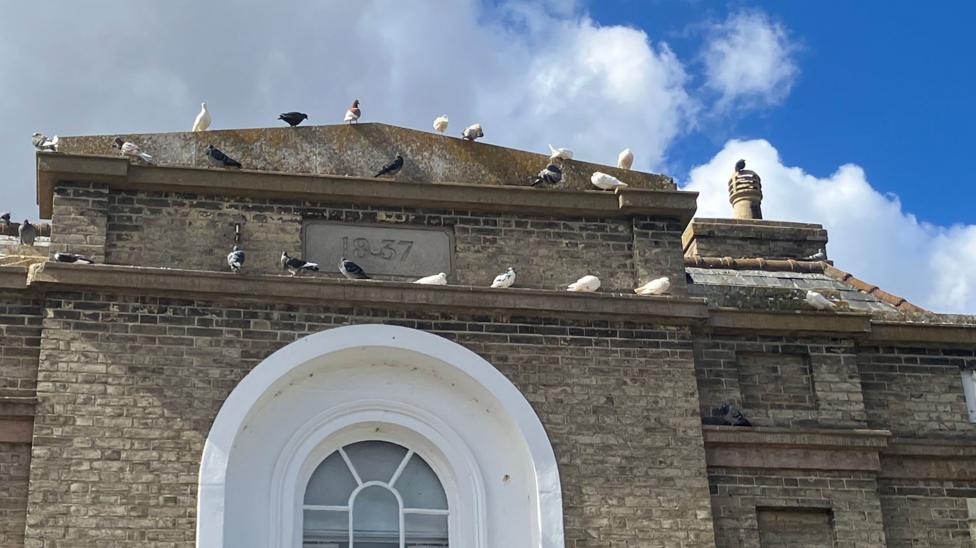
Why do pigeons keep returning to Mere Street?
Public feeding remains the single biggest factor driving the pigeon population in Diss. Despite signs placed throughout the town urging people to stop feeding the birds, the practice continues. The council has identified continued public feeding as the primary obstacle to managing pigeon numbers. Craggs acknowledged the ethical concerns some residents hold about the birds.
Some people are of the opinion pigeons have as much of a right to be here as we do, which is why we haven't taken these steps [to cull them] and are looking at just trying to keep the area tidy on a day-to-day basis.
What do residents and business owners think?
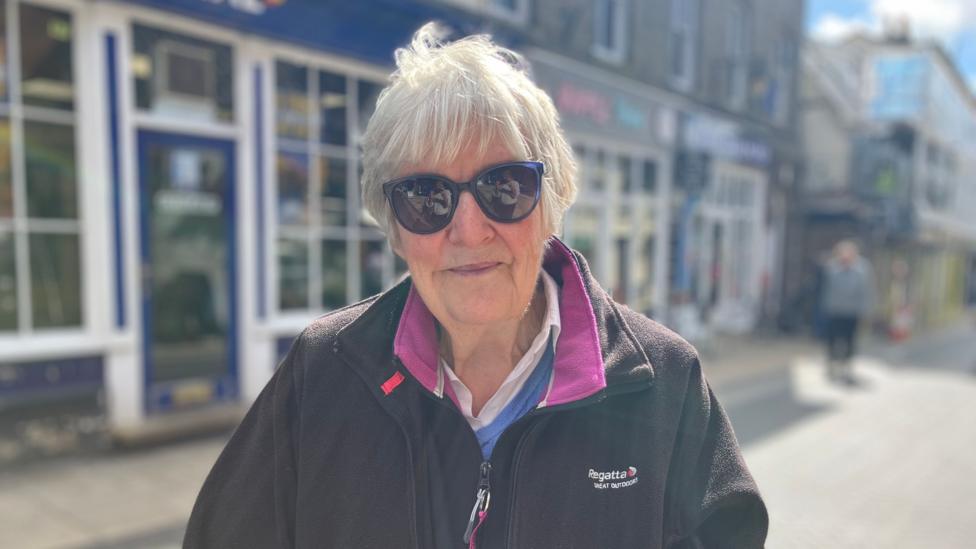
Opinion in Diss is divided on how to address the pigeon crisis. Some residents support more aggressive action, while others sympathise with the birds. Susan French, 79, visiting from Long Stratton in Norfolk, called for drastic measures including a cull.
Something ought to be done, it's not healthy. In Norwich as well as Diss it's horrible.
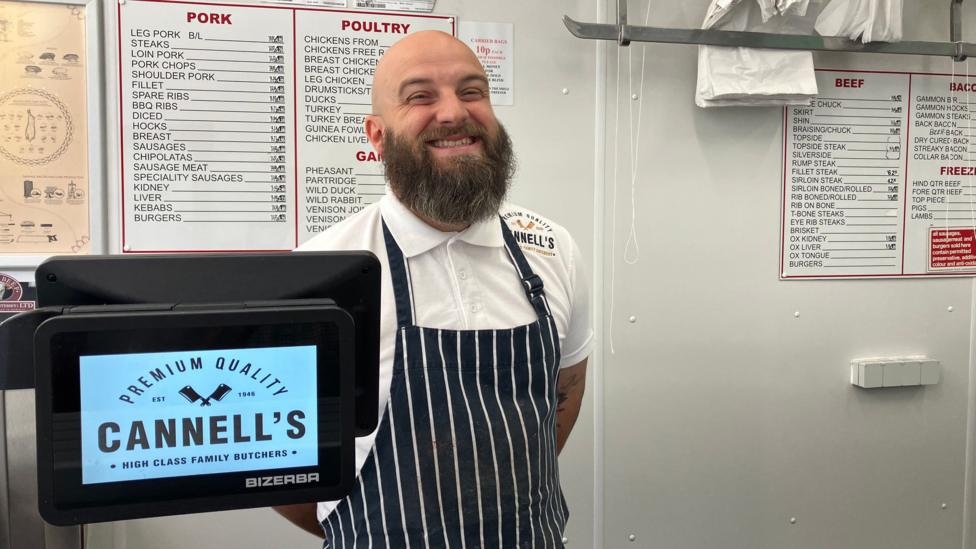
Robert Goodwin, who has worked at Cannells Butchers on Mere Street for two decades, acknowledged that the situation has deteriorated over time but praised the council's efforts.
The council do the best job they can with the resources they have got.He recognised that the authority faces genuine constraints in addressing the problem.

Others expressed affection for the pigeons despite the mess they create. Kate, who works at Tatters Boutique in Diss, described the pigeon situation as a crisis but expressed sympathy for the birds.
Every day when I open the shop there are feathers everywhere. People get stressed about it but where are they going to go?Tarquin James Cooke, 53, hoped that
people will learn to love pigeons more and love their neighbours more.
How does Diss compare to Norwich's pigeon problem?
Diss is not alone in struggling with urban pigeons. Norwich City Council has faced a similar challenge at its market, where a large pigeon population has created comparable issues. The authority hired a falconer and hawk to deter the birds, but the effort was undermined when opponents to the measure scattered large quantities of bird feed, preventing the deterrent from working effectively. Norwich City Council later ruled out testing pigeon contraceptives and instead considered other humane controls such as egg swapping. Public feeding has repeatedly undermined attempts to reduce the birds' numbers in Norwich, mirroring the challenge Diss faces.
What new steps is Diss taking?
The council has recently expanded its approach to managing the pigeon population. According to the council's September 2026 update, measures now include hawk patrols, ultrasonic deterrents, an automatic feeder in the park, and daily cleaning on Tuesdays and Thursdays. The council has also encouraged more building owners to bird-proof their properties following recent work at Scrivens and the Corn Hall. Street cleanliness on Mere Street is technically the responsibility of South Norfolk Council, but the two authorities are working together on the issue.
On 6 September 2026, Diss Town Council requested a mechanical street sweeper to deal with the mess more effectively, recognising that manual cleaning alone cannot keep pace with the volume of droppings and feathers accumulating daily.
What happens next?
Diss Town Council is continuing its daily cleaning schedule and applying pressure on property owners to bird-proof ledges, while maintaining its public campaign urging residents to stop feeding pigeons. In Norwich, the situation has progressed further: the city council has already voted to impose fines on people who feed pigeons, with further enforcement steps remaining under discussion. Both towns recognise that solving the pigeon problem requires sustained effort from councils, businesses, and residents working in concert.
Key Facts:
- Ultrasonic devices and hawk deterrents have failed to reduce Diss's pigeon population on Mere Street
- Public feeding of pigeons remains the primary factor preventing population control in both Diss and Norwich
- Diss Town Council now operates daily cleaning on Tuesdays and Thursdays and has installed an automatic feeder in the park
- The council is requesting a mechanical street sweeper to manage the volume of droppings and feathers more effectively
- Norwich City Council has voted to impose fines on persistent pigeon feeders, a step Diss has not yet taken