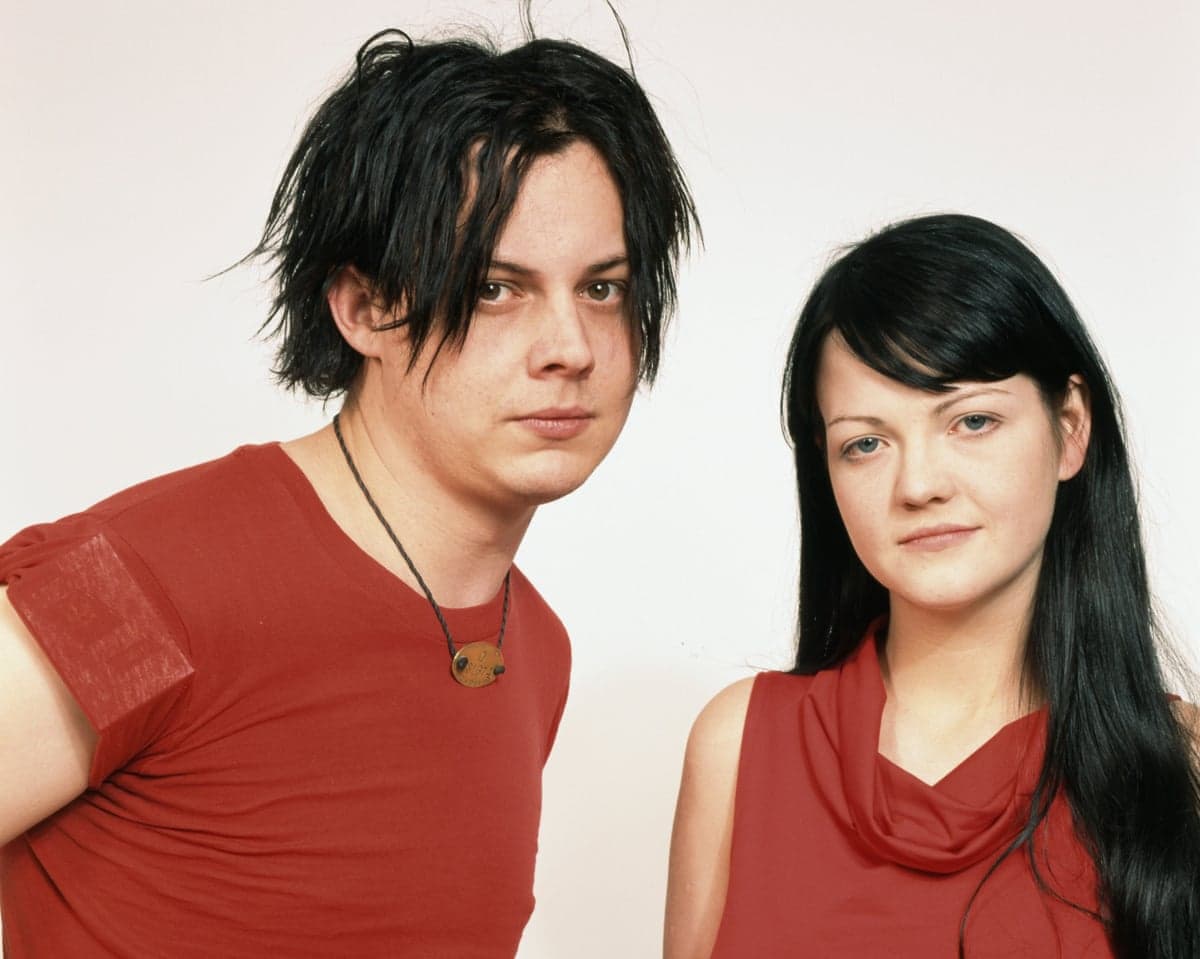
The Daily Mail newspaper covertly tailed and photographed a woman in Detroit, then published an article with photographs falsely identifying her as former White Stripes drummer Meg White, even after she explicitly told the publication it had made an error, according to multiple sources who spoke with .
The British tabloid quietly deleted the article and accompanying images, which first appeared on 6 August 2026, from its website the following week without issuing a correction or editorial note to explain the removal. According to reporting by a media watchdog site, the piece had carried the headline "Mysterious mansion covered in spiders and skeletons is talk of ritzy suburb. Now its owner is revealed as reclusive female music megastar pictured for first time in 17 YEARS... see her secret new life" before vanishing without explanation.
White, whose drumming technique earned her recognition as one of the 100 greatest drummers of all time by Rolling Stone in 2016, has maintained an intensely private existence in Detroit since The White Stripes disbanded in 2011. She has not made a public appearance since 2009 and has declined all media engagement and public events. When the garage rock duo was inducted into the Rock and Roll Hall of Fame in 2025, she refused to attend and instead conveyed her thanks through former bandmate Jack White.
Who was actually photographed?
The Mail's story, authored by senior reporter Joe Hutchison, claimed the paper had located the "reclusive female music megastar" and vowed to expose her "secret new life", presenting what it described as the first public photographs of White in 17 years. In reality, according to 's sources, the publication had followed and photographed an entirely different person who is a friend of White's. The Mail published more than a dozen photographs of the unaware woman exiting a vehicle and socializing with two companions outside a restaurant.
A music label executive involved in multiple White Stripes releases and close to both White and the woman pictured told : "Neither Meg nor the friend that was pictured had any idea they were being stalked and, if they had, they for sure would not have voluntarily chosen to be featured in anything having to do with the Mail."
Speaking anonymously, this source confirmed that neither White nor the woman the Mail photographed wished to engage with journalists. "I can also assure you that Meg is well and is living the private life she chooses and deserves in Detroit," they stated.
How did the Mail justify the misidentification?
When the Mail eventually confronted the woman and accused her of being White, she laughed and informed the paper of its mistake. Hutchison nonetheless concluded she was White because she politely responded "thank you" after the Mail complimented The White Stripes' music—a justification that drew sharp criticism from journalism ethics experts.
Dan Axelrod, chair of the ethics committee at the Society of Professional Journalists, whose code is among the most widely referenced in the industry, dismissed this reasoning entirely.
"That tells the reader and the journalist exactly nothing,"he said.
"The person being photographed could've been toying with the reporter or may not have heard the question properly and was saying 'thanks' to be politely dismissive."
The Mail offered no public explanation for its decision to pursue and secretly photograph someone who has deliberately avoided public attention for 15 years.

What did those close to White say?
Singer-songwriter Karen Elson, the former spouse of Jack White, condemned the Mail's conduct in a since-deleted social media post reviewed by .
"What's so disheartening is the great lengths they took to try and hunt her down and how reckless and cruel it was to post images of another woman all over the internet,"Elson wrote. She identified the woman as a friend of White, describing her as someone "who we also love tremendously."
A third person—a member of a Detroit-area band acquainted with both White and the woman in the photographs—also corroborated the Mail's error to .
What do journalism ethics experts say?
Axelrod emphasized that the Mail "followed none of the most basic principles of journalism." He noted that the woman it pursued "didn't deserve to be chased around by the Daily Mail, ogled, photographed, and chronicled like a circus bear."
He cited the Society of Professional Journalists' Code of Ethics, which instructs journalists to "realize that private people have a greater right to control information about themselves than public figures" and to "weigh the consequences of publishing or broadcasting personal information."
"With the power to reach and convince millions of people of facts, the Daily Mail can still be a unique tabloid that entertains and informs without sacrificing accuracy or being inhumane to those it covers."
Erin Meyers, a professor of communication at Oakland University in the Detroit area who studies media coverage of celebrities, observed that tabloids frequently treat celebrity status as justification for privacy violations.
"Tabloids like this tend to view celebrity status as permission to do whatever in terms of violating privacy under the guise of 'they are public figures so they have to expect this and/or even are asking for it,'"she said.
Meyers added that the innocent woman caught in the Mail's error deserved at minimum a correction, if not a full apology.
"But I don't think that fits in with their bulldog sort of approach to reporting, so instead they just bury it."
What is the Mail's track record?
The Daily Mail has faced significant criticism for journalistic standards. The publication was banned as a source by Wikipedia moderators due to its reputation for "flat-out fabrication." On its own website, the Mail states: "We take great pride in the quality of our journalism." Its editorial code declares that "a significant inaccuracy, misleading statement or distortion must be corrected, promptly and with due prominence."
Axelrod acknowledged that celebrity and gossip reporting, while often stereotyped as "inherently unethical, frivolous, and even inhumane," can be conducted ethically and substantively. He cited the National Enquirer's exposure of John Edwards' extramarital affair as an example of responsible tabloid journalism. The Mail's conduct in this instance, however, fell far short of such standards.
The Daily Mail and Hutchison did not respond to multiple requests for comment from . Representatives for White similarly declined to respond to requests for comment.