Survivors of violent crime and families of victims have criticised the UK government for announcing plans to introduce restriction zones for serious offenders released from prison without providing sufficient operational detail about how the system would function in practice.
Key campaigners who have long advocated for the creation of zones designed to confine offenders to specific geographic areas have accused ministers of prioritising media coverage rather than ensuring the scheme is fully developed and ready for implementation. The announcement has left many unanswered questions about eligibility criteria, enforcement mechanisms, and the capacity of agencies to manage the system effectively.
The Ministry of Justice revealed at the weekend that restriction zones would be introduced in October across England and Wales. Under the scheme, serious sexual and violent offenders would be confined to areas spanning a few miles, with electronic tags monitoring their movements and victims having input into setting the boundaries. The government has described the measure as a world first and a more rigorous version of existing "exclusion zones", which prohibit offenders from specific locations such as a victim's home or workplace.
The announcement comes amid ongoing scrutiny of the government's early release scheme. The prime minister previously committed to reviewing plans to release approximately 6,000 offenders early in September following significant backlash from victims' groups and concerns raised by the family of PC Andrew Harper. Rapists and serious child sex offenders were subsequently excluded from the early release scheme, which restarted in October after a pause and review.
What specific concerns do campaigners have about the scheme?
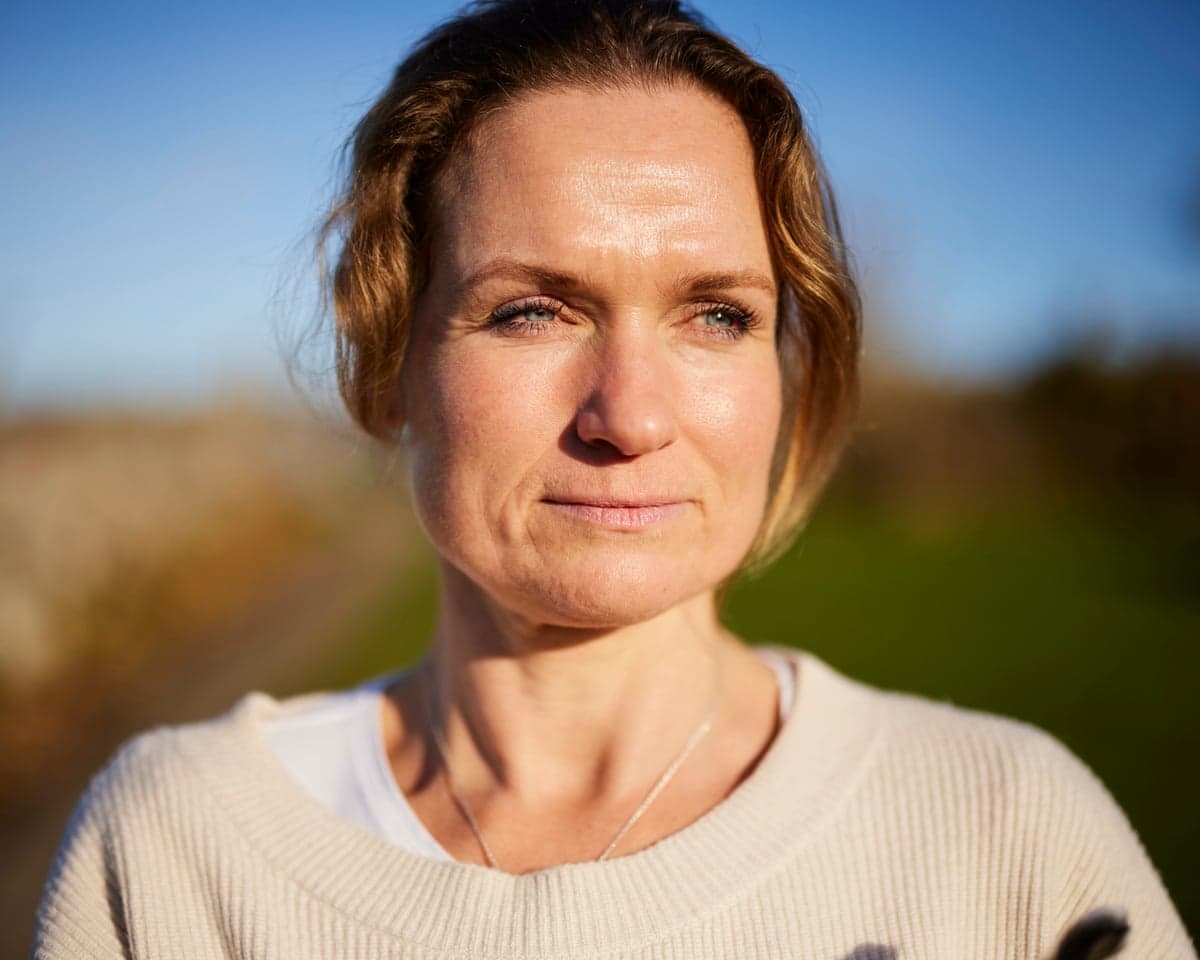
Campaigners have raised multiple concerns about the lack of operational detail provided before the October launch. A survivor of stalking and hostage-taking by her ex-partner expressed anxiety that the announcement preceded a functioning system. She stated:
"Victims can't rely on headlines. I can't imagine how anxious victims whose offenders may be being released are feeling right now. The announcement leaves critical questions unanswered."
The campaigner and fellow advocates have sought clarification on which offenders would be eligible for restriction zones, how the zones would be implemented in practice, what consequences would follow if an offender breached their zone, and whether probation services and police possessed sufficient capacity to manage the system. Before parliamentary recess, campaigners wrote to the government requesting a meeting to discuss these specifics, but no such meeting has taken place.
Hetti Barkworth-Nanton, whose best friend Joanna Simpson was murdered, co-founded an organisation campaigning on domestic abuse and homicide. She emphasised that media announcements alone provide no practical benefit to victims.
"A headline doesn't help victims one jot. The lack of detail is a huge issue."She continued:
"We have been asking them for two months to meet with us to discuss how they are going to implement it and which offenders are going to be eligible."
Barkworth-Nanton highlighted the psychological impact on victims awaiting information about their offenders' release conditions.
"You've got thousands of victims out there today who are utterly terrified at a visceral level of their offenders coming out of prison and they don't know if their offender is going to be subject to restriction zones or not. It creates more uncertainty for them, more trauma for them. The MoJ needs to hurry up and engage properly with victims."
How far should restriction zones extend from victims?
Campaigners have stressed that the geographic size of a restriction zone matters far less than its distance from the victim's location and the capacity to enforce it. Barkworth-Nanton stated:
"I don't care whether it's 2 miles, 5 miles, 10 miles, 15 miles. The important thing is twofold. One is whatever that restriction zone is, probation needs to be confident that they can monitor them. And the second thing is it needs to be far away from the victim."She added:
"So a 2-mile restriction zone, 5 miles away from the victim's home is hopeless."

A survivor of stalking and hostage-taking echoed this perspective, drawing on her own experience. She said:
"Speaking from my own lived experience, if that is to be achieved then restriction zones need to be the other side of the country from the area the victim is in."
Joanna Simpson's mother, a leading campaigner for restriction zones, expressed cautious support for the initiative while emphasising the need for comprehensive detail. She said:
"On the whole I'm happy but we want to hear what the total plan is."
Which offenders will be covered by the scheme?
The Ministry of Justice has stated that restriction zones will be enforced for the most serious violent offenders and serious sexual offenders. However, this definition has raised concerns among some campaigners about the breadth of coverage in practice.
Natalie Queiroz, a victims' advocate in the West Midlands, acknowledged the positive intent behind restriction zones but expressed reservations about their real-world impact.
"Restriction zones are a really positive solution and all credit goes to all those who campaigned hard for them. However, I'm yet to be convinced of the breadth of their impact in reality."She continued:
"The MoJ have stated that they will be enforced for the most serious violent offenders as well as for serious sexual offenders. Many domestic abuse offenders who still pose a significant risk to their victim will not fall under this definition and hence will not have a restriction zone applied to them."
This gap in coverage means that victims of domestic abuse perpetrated by offenders not classified as "most serious" may find their abusers released without the additional monitoring and geographic restrictions the scheme provides.
What safeguards are needed for effective enforcement?
Campaigners have emphasised that the success of restriction zones depends critically on robust monitoring and swift enforcement of breaches. Queiroz stressed the importance of adequate investment in the system's operation.
"The effectiveness of restriction zones will rely heavily on them being properly monitored and any breaches being addressed without delay. There needs to be clear commitment to investment into the active monitoring of them."
Barkworth-Nanton reiterated that probation services must have confidence in their ability to monitor offenders within their assigned zones. Without sufficient resources and staffing, even well-designed geographic restrictions could fail to protect victims in practice.
What has the government said in response?
The Ministry of Justice stated that further details regarding the restriction zones scheme would be announced in due course. A government spokesperson said no victim should "fear the shadow of an abuser", signalling the government's stated commitment to victim protection.
The MoJ indicated it would work closely with victims' groups and other stakeholders as the scheme was rolled out to ensure it operated as intended. However, campaigners have expressed frustration that this engagement has not occurred before the public announcement, leaving them unable to influence the scheme's design or raise concerns about its readiness.
Key Facts
- Restriction zones will confine serious sexual and violent offenders to areas spanning a few miles, with electronic tags monitoring movement and victims having input on boundaries
- The scheme is scheduled to launch in October across England and Wales, but campaigners say critical implementation details remain unclear
- Campaigners have requested meetings with the Ministry of Justice for two months to discuss eligibility criteria and enforcement capacity, but no such meeting has taken place
- The government has excluded rapists and serious child sex offenders from its early release scheme, which restarted in October following a pause and review
- Domestic abuse offenders not classified as "most serious" violent offenders may fall outside the restriction zones scheme, leaving some victims without additional protections