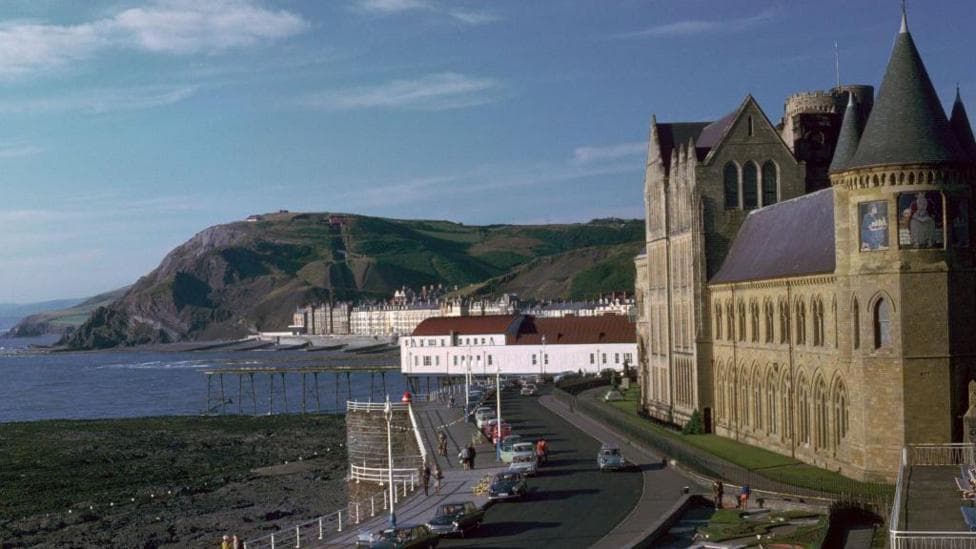
Aberystwyth University has suspended work on its ambitious £43m transformation of the Grade I listed Old College, the original home of Wales' first university college, citing escalating expenses for essential structural repairs and weatherproofing.
The university announced it is conducting a comprehensive review of mounting costs associated with making the historic Victorian building safe and weather-resistant. This work encompasses the restoration of 664 window frames and replacement of 20,000 roof slates. According to the university's latest financial report, the total forecast capital cost has now risen to £53 million, significantly above the original £43m estimate.
The review will consider future costs, funding and the most appropriate timeline for the remaining work,the university stated.
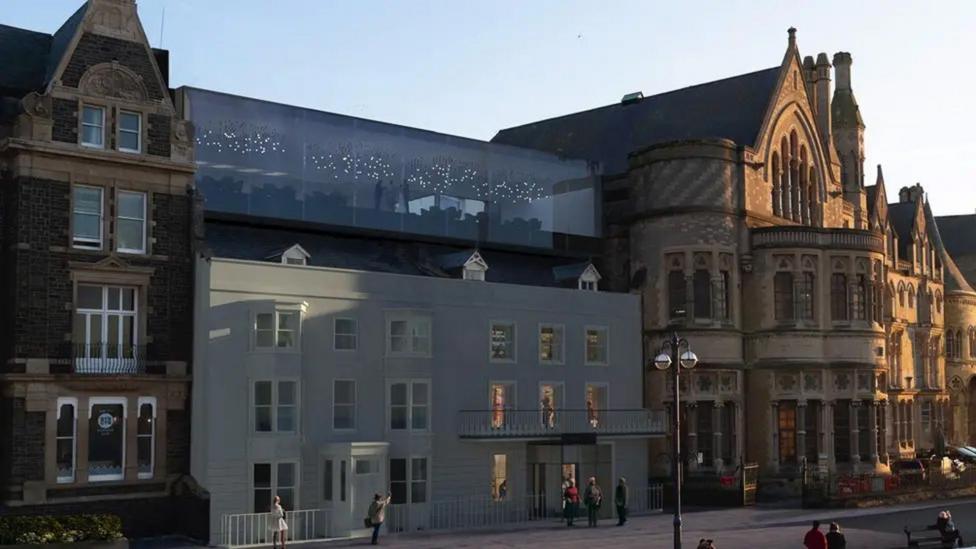
The project, unveiled in 2023 as a major cultural and creative centre for Wales, envisioned converting the historic building into a mixed-use destination combining hospitality, heritage and exhibition spaces. The first phase was designed to house a science exhibition, business units and 10 function rooms, with projections that the completed development would generate 130 jobs and attract 200,000 visitors annually. The finished facility is intended to contain 143 rooms across seven floors, including 60 bedrooms for the hotel component.
Given the rise in projected costs, it is prudent to take a considered approach to ensure that the Old College project is completed in a way that delivers lasting benefits for our university, town and Wales,the university said.
The project has already consumed substantial resources. According to the university's financial records, £15.2 million was spent on the Old College initiative during 2024-25 alone. The development is funded through external grants, fundraising efforts and earmarked university investments, supplemented by an additional £3.8 million pledged by the Welsh Government.

What caused the cost increases?
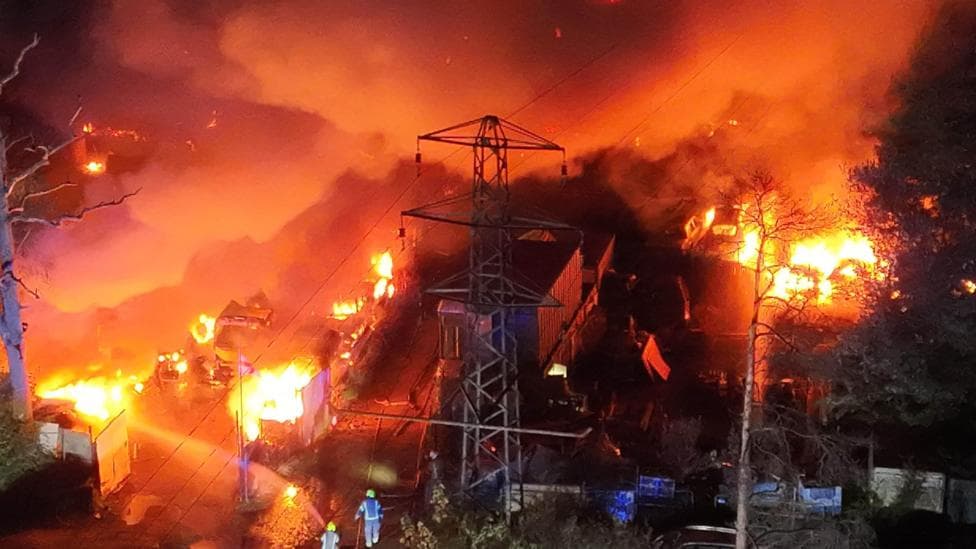
Detailed structural investigations undertaken during the initial phases of restoration work revealed the true extent of remedial work required. The building's condition assessment uncovered evidence of a devastating fire that occurred on 8 July 1885, which destroyed much of the original Old College structure. Archaeologists discovered remnants from this historical fire, including a damaged Bunsen burner, a small stove and numerous glass bottles, indicating the blaze originated in a chemistry laboratory.
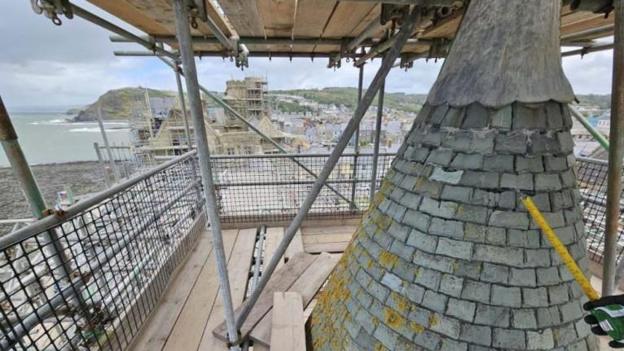
The scope of necessary repairs expanded as workers progressed with making the building safe. The replacement programme for the roof alone involves 20,000 individual slates, while the window restoration requires attention to 664 frames across the building's facade. These discoveries transformed initial cost projections and prompted the decision to pause and reassess the project timeline.
What was the original timeline?
The Old College project has experienced multiple delays since its conception. Earlier university plans had targeted completion by the end of 2025, following previous postponements that pushed the schedule back from an original 2022 completion goal. A February 2026 report indicated that most construction work was due to be completed by late 2026, though this timeline now appears subject to revision pending the current review.
As of 22 August 2026, works were underway including striking scaffolding after finishing the South Seddon flat roof, demonstrating that some progress continued even as broader project planning faced uncertainty.
What are the expected economic benefits?
The university had estimated that the completed Old College project would contribute up to £14.5 million annually to the local economy once operational. The development represents part of a broader trend of heritage site restoration across Wales, with similar projects underway elsewhere in the region, including major cultural and tourism initiatives designed to boost local economies and preserve historic structures.
We remain firmly committed to the Old College project's long-term outcomes,the university stated, emphasising its continued dedication to the initiative despite the pause.
What happens next?
The university has committed to engaging closely with all stakeholders throughout the review process and providing further updates as appropriate. The review will examine revised cost projections, available funding sources and a realistic timeline for completing the remaining restoration and development work. The university thanked staff, funders, partners and stakeholders for their contributions in driving significant progress to date on the initiative.