A coroner has raised significant concerns about how a 999 call-handling team communicated with other emergency services while a mother lay trapped in sea defence rocks and subsequently drowned.
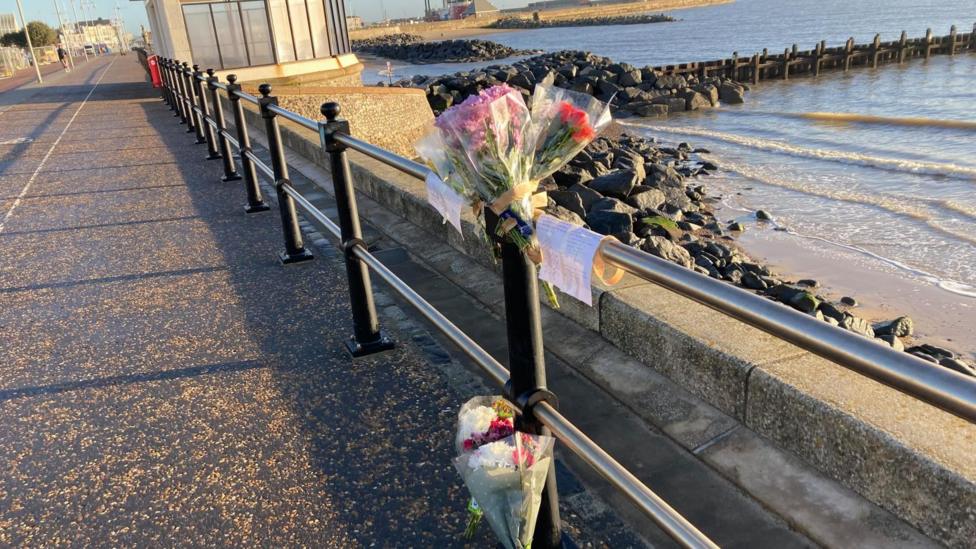
Saffron Cole-Nottage, aged 32, slipped and fell headfirst between rocks adjacent to The Esplanade in Lowestoft, Suffolk, on 2 February 2025. In a Prevention of Future Deaths report issued on 17 June 2026, Suffolk Coroner Darren Stewart concluded that
there was a possibility of successful resuscitationhad firefighters been dispatched earlier by the ambulance service control room.
The East of England Ambulance Service Trust (EEAST), which fielded the emergency call, has acknowledged that procedural and training changes have been implemented in response to the findings.
What happened during the rescue attempt?
Two members of the public attempted to extract Cole-Nottage from the rocks by pulling at her legs, which were the only visible part of her body. She had been audibly distressed,
shouting and screaming, and water gradually rose until her head became submerged at 20:00 GMT.
The emergency call was placed at 19:52, and an ambulance was dispatched promptly. However, when the first paramedics reached the scene at 20:13, they quickly determined that Cole-Nottage had died, and the operation shifted from rescue to recovery. Firefighters arrived 40 minutes after the initial fall and freed her in less than 30 seconds, but resuscitation efforts proved unsuccessful.

What were the coroner's specific criticisms?
Stewart identified multiple failures in emergency response coordination. He stated that
the tone and language of the call used by the EEAST caller alerting the Fire Control Room suggested at best confusion and at worst an inadequate appreciation of the situation, including the requirement for the situation to be treated as a rescue and the need for timely action.
The decision to treat the incident as a recovery operation contradicted established guidelines, which mandate that rescue attempts should continue for at least 30 minutes after the first professional rescuer arrives and submersion is confirmed. Additionally, EEAST failed to document the precise moment when Cole-Nottage became submerged, preventing accurate calculation of the resuscitation timeline.
Stewart concluded that
the effect of these failures was to create the impression for each emergency response unit subsequently attending after the EEAST rapid response vehicle that the activity was not a rescue but a recovery when the guidelines clearly stated otherwise. He further noted that
inadequate communication from EEAST to other emergency services... created a confused picture of what was happening at the scene and created an impression of inertia by emergency services prior to the fire service arrival.
What was the inquest outcome?
The inquest concluded on 15 May 2026, with the medical cause of death formally recorded as drowning. The hearing examined emergency service response times and the coordination failures that preceded Cole-Nottage's death.
What happens next?
According to the official Prevention of Future Deaths report, the coroner sent the findings to EEAST, NHS England and JESIP leaders, with a 56-day deadline for responses due by 12 August 2026. EEAST's chief executive stated that the trust accepted the coroner's findings and had already begun work to strengthen call handling, clinical triage and coordination with partner emergency services, according to a statement from the ambulance service.
This case reflects broader concerns about emergency service communication. A previous coroner's investigation found that ambulance delays possibly contributed to another person's death, highlighting recurring systemic issues in emergency response coordination.
Key Facts
- Cole-Nottage became trapped in rocks on 2 February 2025 and died from drowning
- The 999 call was made at 19:52, but firefighters did not arrive until 40 minutes after the fall
- The coroner found that inadequate communication and documentation by EEAST may have prevented earlier rescue attempts
- EEAST, NHS England and JESIP were required to respond to the coroner's report by 12 August 2026
- The ambulance service has committed to strengthening call handling and coordination procedures