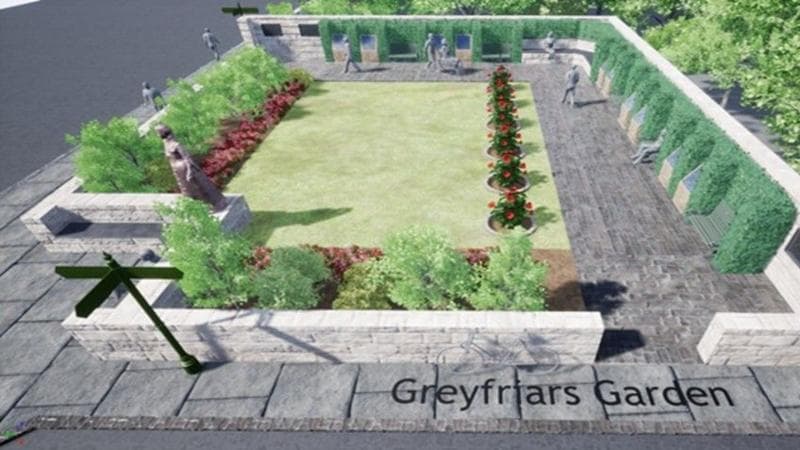
A community organisation has completed what is believed to be Scotland's first compulsory purchase of privately owned land, securing an overgrown plot in St Andrews to transform into a public garden honouring Mary, Queen of Scots. The Poets' Neuk group, which describes the site as an eyesore blighting the town's conservation area, pursued the forced sale after years of failed negotiations with the landowner, Forthtay Ltd, an offshore trust based on the Isle of Man. According to BBC News, the transaction marks a significant moment for community land reform in Scotland, with government ministers suggesting it may inspire similar initiatives elsewhere.
Forthtay previously exhausted its legal options by losing an appeal against Scottish ministers' decision to authorise the compulsory purchase. The Poets' Neuk group expressed relief that the forced sale had finally completed after a protracted process involving court hearings and complex land transactions.
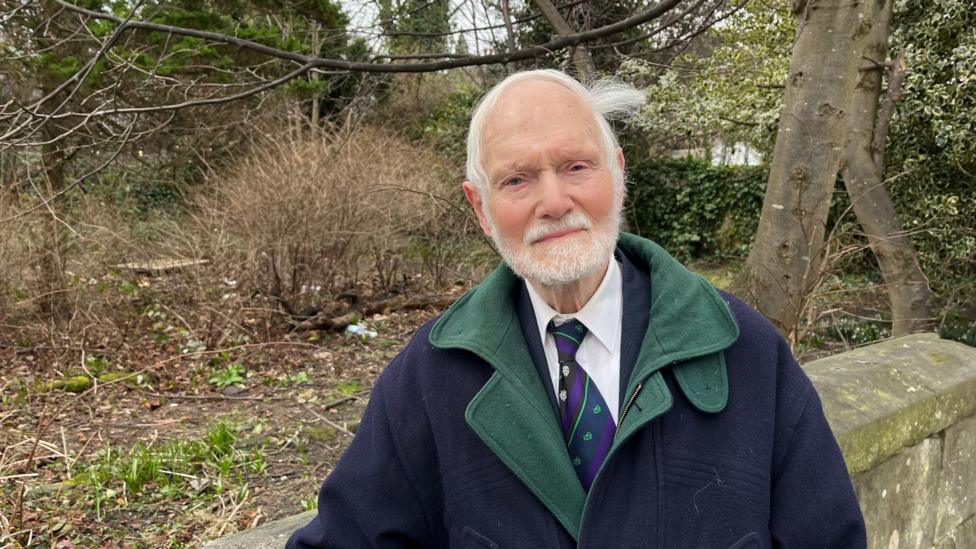
David Middleton, the group's secretary, explained the lengthy path to acquisition:
We've tried our best to get on good terms with the landlord, and convince them it was a good idea to pass it on to the community for a reasonable price, and that just failed over time.The group's vision involves creating a tranquil public space where visitors can sit among roses and read information plaques and poetry relating to Mary, Queen of Scots' historical ties to the town.
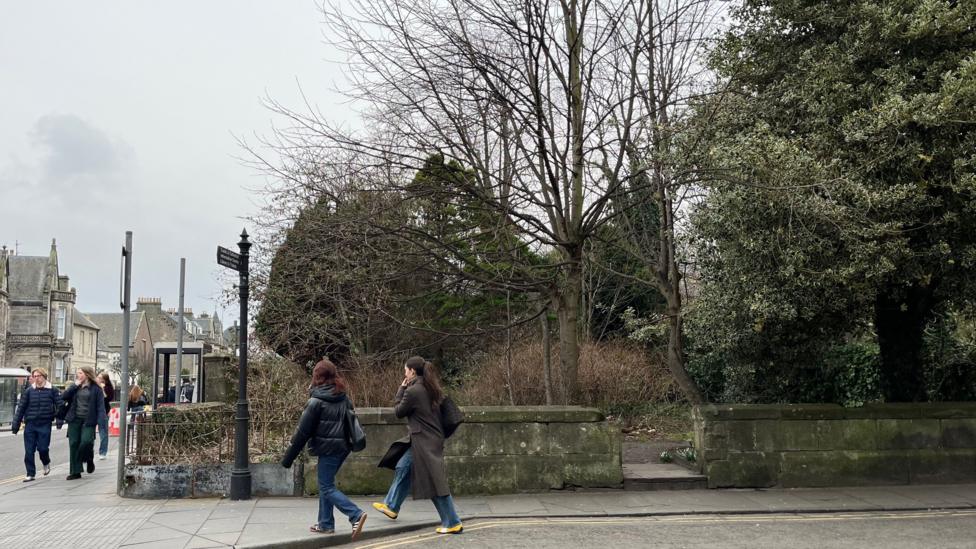
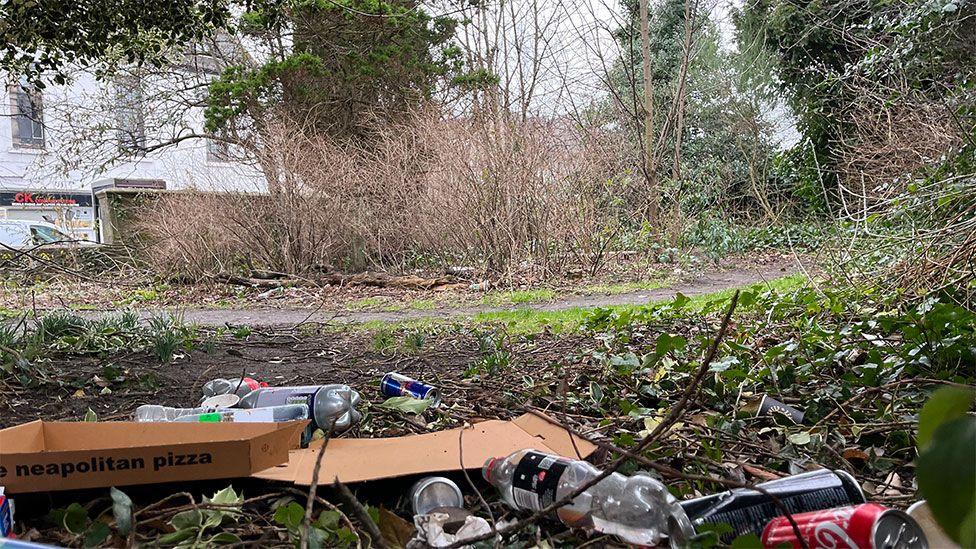
The site, located on the west side of Greyfriars Gardens, had become a focal point for community concerns. Poets' Neuk documented persistent problems with littering and anti-social behaviour on the land, issues that strengthened the case for intervention. The group, established as a company limited by guarantee to benefit the local community, had attempted to negotiate a purchase before pursuing the compulsory route.
How did the purchase happen?
Poets' Neuk invoked the Land Reform (Scotland) Act 2016, which permits community groups to trigger a compulsory purchase if the acquisition would advance "sustainable development" and serve the "public interest". The Scottish Land Commission has noted that the sheriff's refusal of Forthtay's appeal was the first legal challenge of its kind, offering crucial guidance on how the sustainable-development community right to buy operates in practice. Scottish ministers approved the application in 2024, signalling their backing for the initiative.
Forthtay's legal team contested the decision, arguing that Scottish ministers had acted unlawfully and displayed "apparent bias" towards the community group. However, Sheriff Timothy Niven-Smith, following a hearing at Dundee Sheriff Court, ruled that ministers had acted within their powers and lawfully. The legal test also requires significant community benefit and evidence that refusing the transfer would likely harm the community—criteria the Poets' Neuk application satisfied.
Funding for the purchase came through a combination of sources. The Scottish Land Fund provided a grant covering the vast majority of the acquisition cost, while Poets' Neuk raised additional private funds to support the development phase. This mixed-funding approach has become increasingly common among community groups pursuing land ownership across Scotland.
What do officials say about this precedent?
Gillian Martin, Scotland's Rural Affairs Secretary, praised the group's perseverance:
I want to congratulate the Poets' Neuk community for their dedication in persevering through the appeal process and the complex land transactions that were a result of the owner residing outside of Scotland. Taking on community assets can be challenging, and we welcome the conclusion of this sale after such a long process.The Scottish government indicated that the case could encourage other communities to explore similar opportunities under the 2016 Act.
Land reform advocates have welcomed the outcome. Dr Josh Doble from Community Land Scotland characterised the purchase as evidence that
private property rights are not absoluteand are instead
dependent on the public interest.However, Malcolm Combe, a reader in law at the University of Strathclyde and member of the Scottish Land Fund's committee, cautioned against overinterpreting the decision's scope. He acknowledged that some property owners would feel uncomfortable with forced sales but stressed that the legal framework imposes
very stringent teststhat community groups must satisfy, making
mass expropriationunlikely.
How common is community land ownership in Scotland?
Compulsory purchases remain exceptionally rare. Only one other community group is known to have successfully applied for a forced purchase under the same legislation: a group in Ballindean, Perth and Kinross, secured government backing this year to acquire a small heritage orchard with the goal of preserving 150-year-old apple, pear and plum trees.
Broader community ownership, however, has expanded significantly. The Scottish government estimates that as of 2024, over 500 community groups own more than 850 assets spanning 213,803 hectares of combined land. Individual buildings and small patches of land constitute the majority of these community-owned assets by number, though by area, the vast majority of community-held land has historically concentrated in the Highlands, Argyll and the Western Isles, where large estates and entire islands have passed into community hands.
Urban communities gained the right to pursue buy-outs in 2016, a shift that has gradually altered the geography of community ownership. Those advocating for community control argue that it stimulates economic activity in neglected areas, strengthens local pride and helps counter depopulation. Most acquisitions occur through negotiation rather than compulsion, reflecting the preference for consensual arrangements.
MSPs are currently examining how the 2025 Land Reform Act can be implemented and refined, including the possibility of introducing even stronger community right-to-buy provisions. The Poets' Neuk case will likely inform these discussions, demonstrating both the potential and the procedural complexity of community-led land reform.