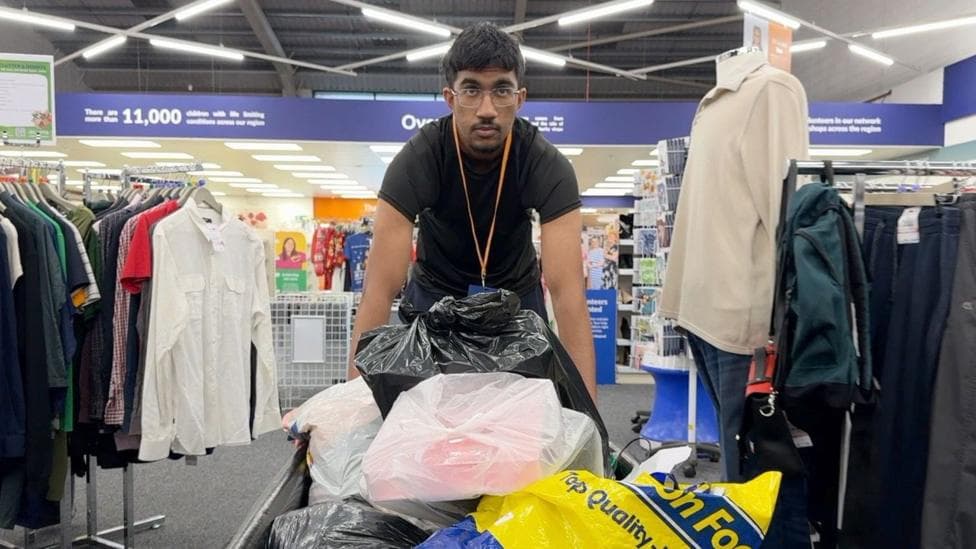
Acorns Children's Hospice, which provides care for children with life-limiting and life-threatening conditions across the West Midlands, allocates approximately £100,000 annually to handle donated items that prove unsuitable for retail sale. This substantial expenditure diverts resources from specialist palliative care services that cost the organisation more than £40,000 daily to operate. The financial burden reflects a wider challenge facing children's hospices nationwide, where rising disposal costs are compounding already severe budget pressures.
Each week, donors deliver bags of unwanted clothing, broken toys and damaged household goods to charity shops throughout Britain, often believing their contributions support worthy causes. However, for many charities, an expanding proportion of these donations creates significant financial and logistical challenges rather than generating income.
Acorns receives approximately 3,000 tonnes of donated goods annually through its network of retail outlets. Yet roughly one-third of this volume—around 1,000 tonnes—never reaches shop shelves. Instead, these items are sent for recycling or disposal because they are damaged, stained, incomplete or fail to meet safety regulations required for resale.
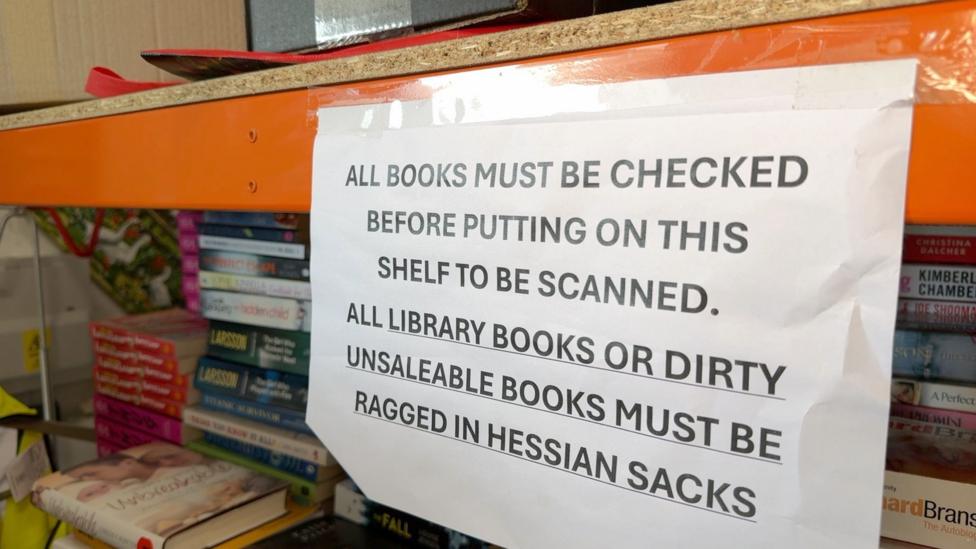
Among the most frequently rejected items are garments with stains or holes, toys and games missing components, and products such as children's car seats and cycle helmets, which charities cannot legally resell due to safety concerns. According to a charity retail trade group, approximately 60% of donated clothing cannot be sold in shops, while rag prices have fallen by roughly 70% over the previous two years, further reducing income from unsellable textiles.
Why is this costing charities so much?
Processing, recycling and disposing of unsuitable donations requires staff time, transport and specialist waste management services. The £100,000 annual bill represents funds that could directly support patient care. To contextualise the impact, this disposal cost is equivalent to enough money to run one of Acorns' hospice facilities for ten days.
The problem extends beyond Acorns. St Barnabas and Dove House Hospice together spent £70,000 handling unwanted donations in the previous year, demonstrating that this financial drain affects multiple organisations across the sector.
How do charity shops contribute to Acorns' funding?
The 47 shops and superstores operated by Acorns across the West Midlands—including locations in Birmingham, Walsall and Worcestershire—generate more than £2 million annually towards the charity's £14 million operating budget. Retail income represents a critical funding stream, making the quality of donations directly relevant to the organisation's ability to deliver services.
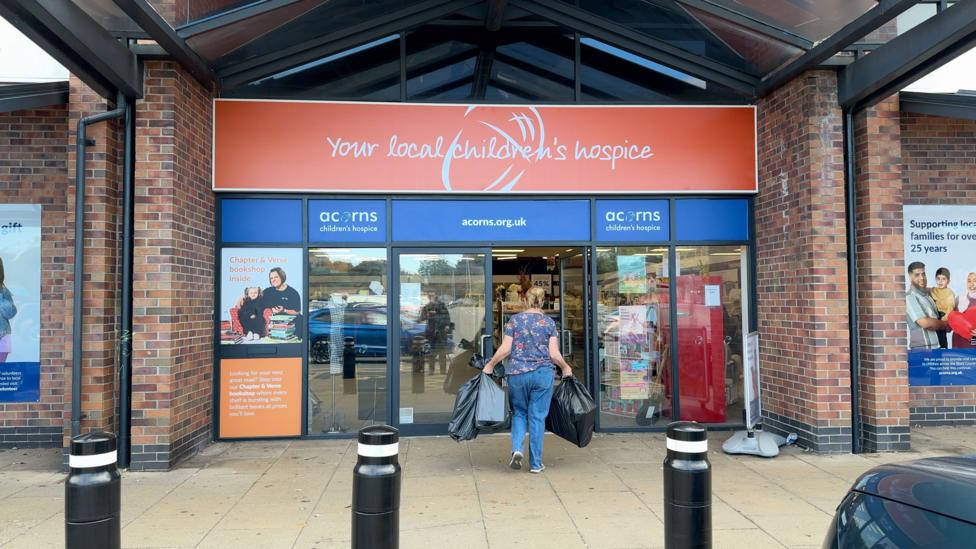
James Roberts, Acorns' business development manager, acknowledged the importance of donor contributions while highlighting the challenge.
We are grateful for every donor who comes through the door. But approximately £100,000 of additional costs are diverted away from supporting the children and families we help through specialist palliative care.
Rather than discouraging donations, Roberts urged potential donors to apply a simple quality test before dropping items off.
Would you give it to a friend, neighbour or family member? If the answer is yes, there's a good chance we can sell it and turn it into vital funds for the children and families we support.Acorns is urging donors to verify that items are clean, complete, safe and in sufficiently good condition for someone else to purchase and use.
What pressures are children's hospices facing?
The disposal cost issue emerges at a time when children's hospices across the UK confront mounting financial difficulties. A recent report by Together for Short Lives found that demand for services continues to rise, with the number of children receiving end-of-life care increasing by 4% in 2025-26. Simultaneously, the number of children accessing symptom-management support rose by 40%.
Hospices have been simultaneously hit by escalating energy, staffing and operating costs. According to the report, average expenditure across the sector increased by 18% in a single year, while statutory funding has failed to keep pace with these increases. Approximately 60% of children's hospices ended the last financial year in deficit, and a third had already reduced respite or short-break services for families.
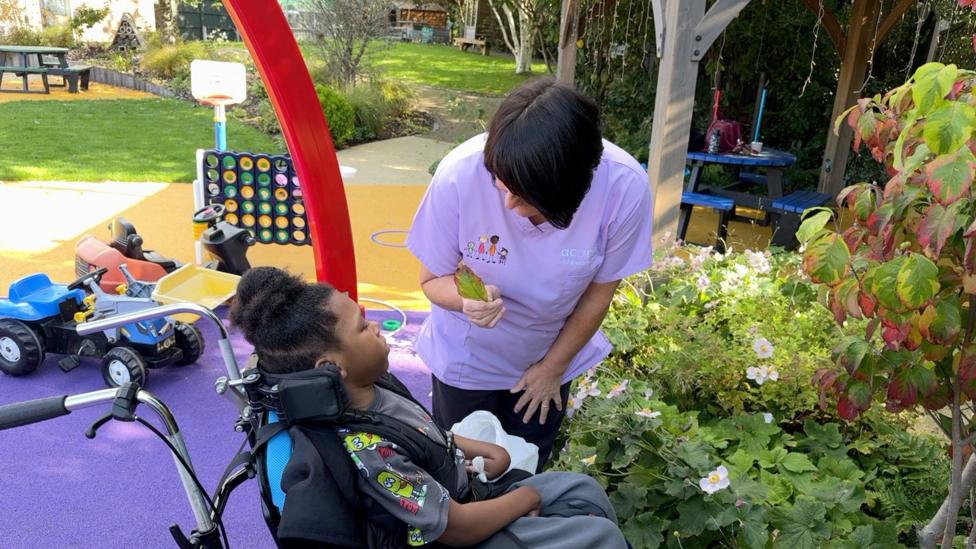
Nick Carroll, chief executive of Together for Short Lives, emphasised the critical importance of every income source.
The cost of providing these services has gone through the roof. Hospices are seeing rising energy bills, inflation and staffing pressures, but statutory funding hasn't come close to matching those increases. When charities are already facing those challenges, every pound raised through fundraising and charity shops becomes even more important.
Acorns supported more than 800 children and 1,100 families across the West Midlands during the past year. More than three-quarters of its funding derives from donations, fundraising and retail income, making the organisation heavily dependent on community support and the success of its shops.
What can donors do to help?
Roberts stressed that a moment of consideration before donating can produce meaningful results.
That small check before donating can make a really meaningful difference. The better the quality of the donations we receive, the more money we can raise to support children and families, helping to make sure generosity goes as far as possible.By ensuring donations meet basic standards of cleanliness, completeness and safety, donors can maximise the retail value of their contributions and reduce the financial burden on charities.