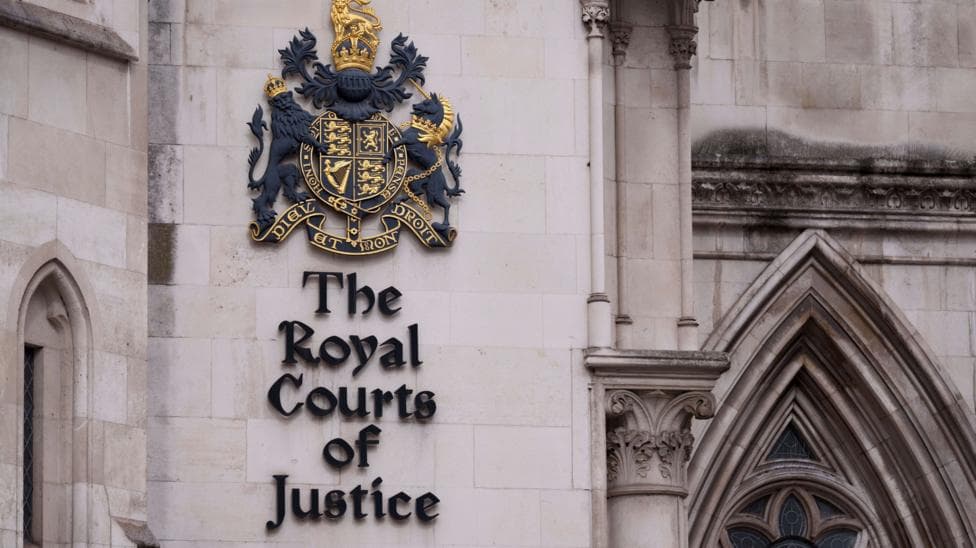
A celebrity who sought a permanent High Court injunction to prevent two news organisations from publishing his identity and allegations of sexual misconduct has failed in his legal challenge, according to BBC News. However, Mr Justice Nicklin ruled that temporary anonymity and reporting restrictions should continue while the man pursues an appeal of the judgment.
The judge determined that the permanent injunction sought by the celebrity should be denied, but acknowledged that a temporary order protecting his identity and preventing publication of the allegations should remain in force during the appeal period. This decision allows the man to challenge the court's ruling while maintaining his anonymity throughout the legal process.
ITN and the Guardian, the two news organisations involved in the case, have argued that publishing the allegations serves the public interest. The organisations contend that the man used his status to attempt to engage in what they describe as "inappropriate sexual activities with a large number of girls and young women."
The celebrity has consistently denied all allegations against him. In his submissions to the court, he argued that any publication of his identity or the allegations would be "highly likely" to result in him taking his own life. He urged the court to impose a permanent ban on any publication or broadcast of the material.
This case reflects ongoing tensions in English law between privacy rights and press freedom. Similar high-profile privacy disputes have reached the courts in recent years. In July 2026, Prince Harry and six other individuals lost a High Court privacy case against Daily Mail publisher Associated Newspapers, with the judge finding insufficient evidence of unlawful information gathering. That case resulted in the group being ordered to pay £9.54 million in costs to the publisher in August 2026.
The temporary injunction will remain in place pending the outcome of the celebrity's appeal, meaning his identity will continue to be protected and the allegations will not be published during this period. The appeal process will determine whether the High Court's decision to deny the permanent injunction stands or whether the man's request for lasting anonymity will be granted.