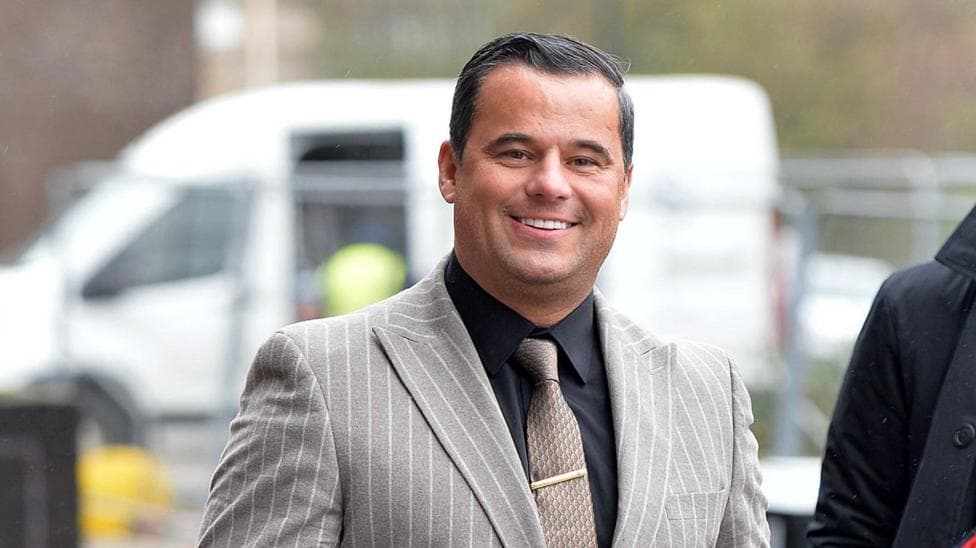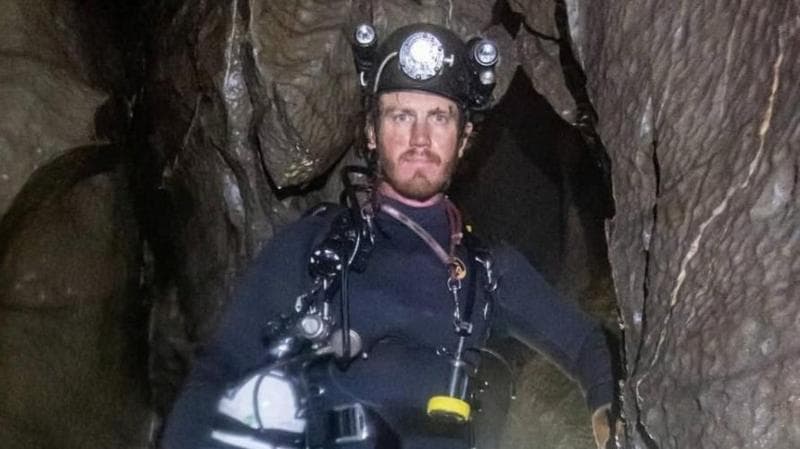
George Linnane from Bristol spent 54 hours trapped deep underground in November 2021 after falling in the Ogof Ffynnon Ddu cave system in the Brecon Beacons, sustaining multiple life-threatening injuries. Despite breaking his leg, jaw and three ribs, along with a collapsed lung and lacerated spleen, the 43-year-old resolved while still recovering in hospital that he would return to caving. Nine months after the accident, he went back underground for the first time, eventually joining the very rescue team that saved him.
Linnane was exploring deep within the complex network of 61 kilometres of passages when he suddenly lost his footing.
One second I was caving, the next minute, the world went mad.When consciousness returned, he realised the lower part of his leg was fractured and several teeth had been knocked out. The full extent of his injuries—which also included a dislocated clavicle, a lacerated spleen, a collapsed lung and a broken scaphoid in his wrist—only became apparent later.
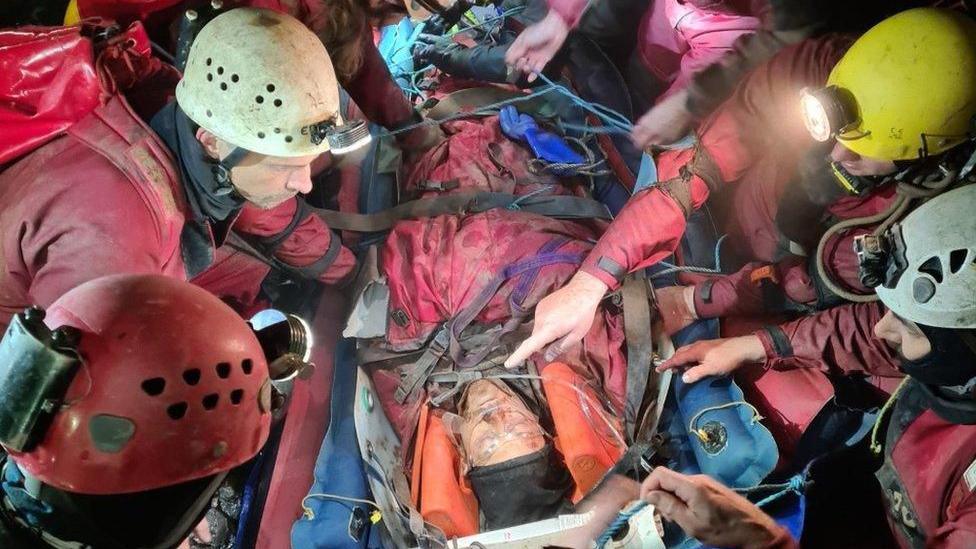
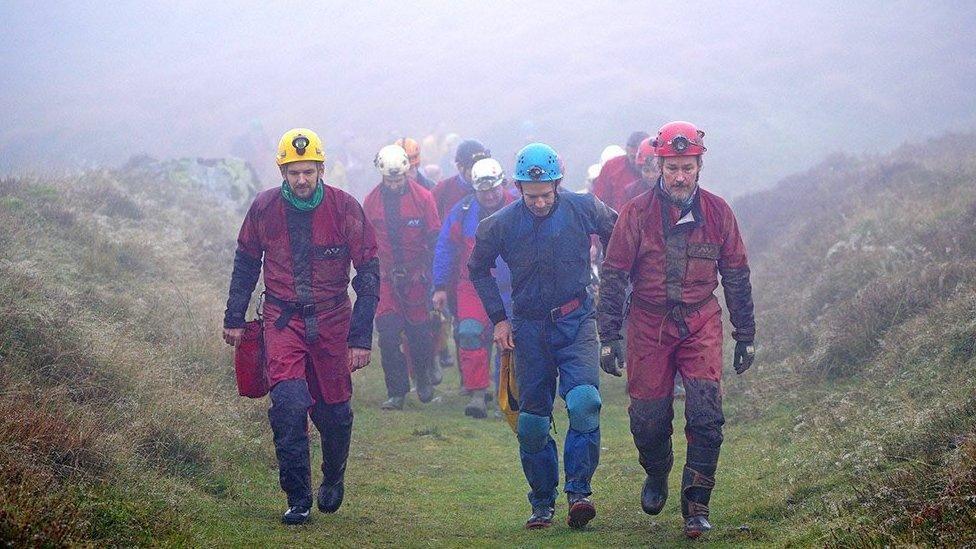
The rescue operation that followed was one of the most complex ever mounted in the United Kingdom. Ten separate teams from across the country coordinated efforts to bring Linnane to safety, with 250 volunteers working underground and more than 50 supporting operations on the surface. After the 54-hour operation, Linnane was treated at the University Hospital of Wales in Cardiff. Even during the rescue itself, Linnane's thoughts turned to practical matters—he asked for messages to be relayed to his partner and to the garage holding his car for its MOT inspection.
What was the rescue operation like?
The scale of the rescue reflected both the depth and complexity of the cave system.
There was a lot going on. I think some people were underground for 12 hours at a time. I've been underground for that length of time and more myself and it's quite a long time to be underground.Linnane's experience as an accomplished caver gave him perspective on the extraordinary effort required. When he finally reached the surface, the emotional release was profound.
It felt like Wales. It was wet and windy. Emotionally I was really pleased to get out of there.
How did Linnane rebuild his life?
Recovery proved to be a gradual and demanding process. Linnane had to relearn fundamental skills, beginning with eating and walking.
You can't just look at the end because it seems very far away and kind of unobtainable, like it's never going to come.His immediate goal was modest but meaningful: to eat his Christmas dinner with his own teeth rather than consuming blended food.
It took four weeks of literally training my jaw to chew.

Walking presented another challenge. He started by attempting to reach the end of his driveway and back, then gradually extended his range to a few hundred metres along the road. After just over four months, he was able to enter a swimming pool and begin systematically rebuilding his fitness. Six months after the accident, he returned to scuba diving, the hobby that had originally introduced him to caving.
Nine months later I went back underground for the first time and I just kind of took it from there.
Why did Linnane want to return to caving?
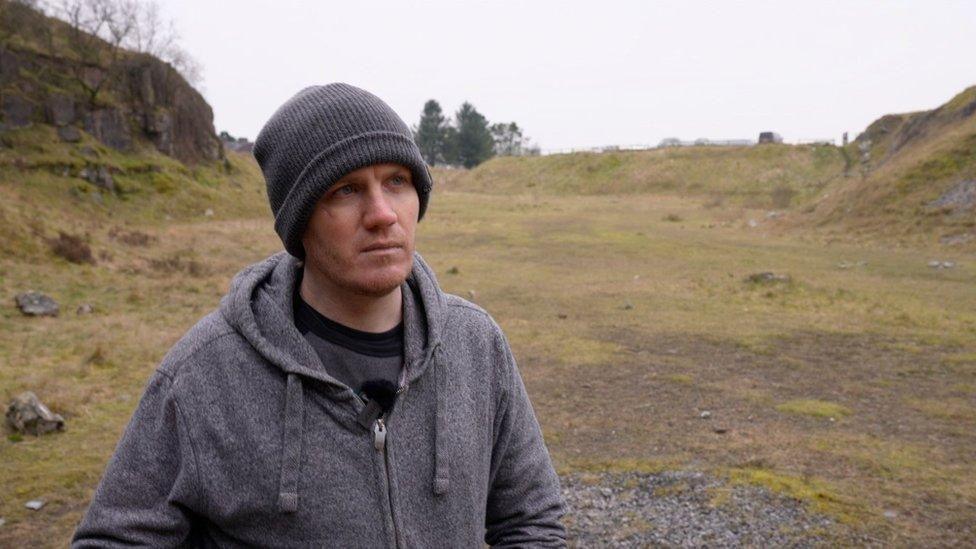
From his hospital bed, Linnane made a conscious decision to reclaim his life as a caver.
I always wanted to get back underground. I kind of made it my mission. I decided this very early on whilst I was still in the hospital.He felt
lucky to be aliveand
very luckyto still have full use of his right leg, but the pull of the underground world remained strong.
Linnane's perspective on caving challenges common misconceptions about the sport.
When people think of caving, they think of small passages and crawling and misery. And that's really not what it's about. We do that stuff. But we do it to get to the good stuff, pretty amazing things that 99.9% of the population will never see. It's another world down there. It's like being on the moon or another planet.He emphasises that
caving is a very safe sport, generally speaking, for people that know what they're doing. It's as safe as crossing a road. But things do happen occasionally.
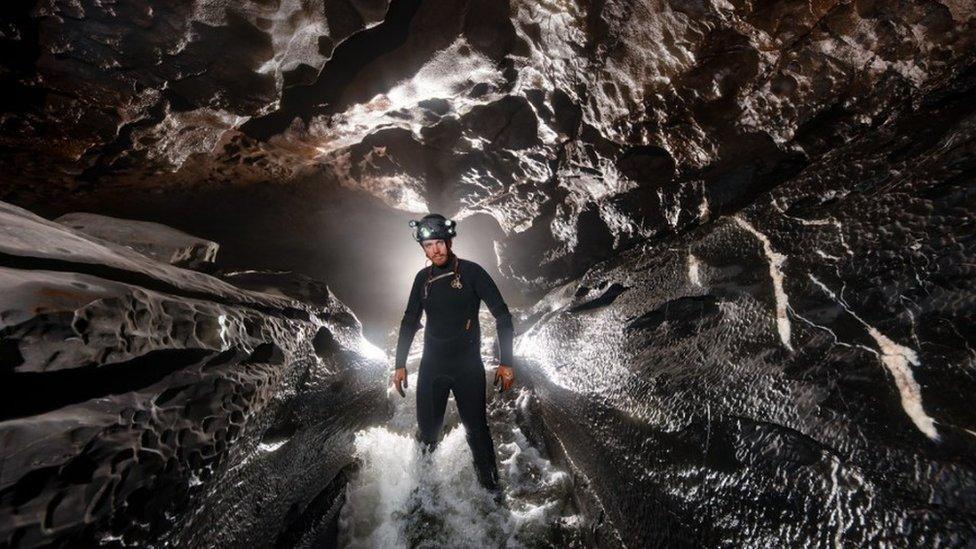
What happened after Linnane's return underground?
Linnane's commitment to caving extended beyond personal recovery. He set himself another goal: to become physically strong enough to join the South and Mid Wales Cave Rescue Team, the organisation that coordinated his own rescue. Linnane has since joined the cave rescue team that saved him, fulfilling his ambition to help others facing similar emergencies.
His reasoning was clear and purposeful.
I wanted to be able to help the next poor soul this happens to.Linnane recognises that when caving accidents occur, conventional rescue services cannot respond effectively.
The fire service can't do it, mountain rescue can't do it. The only people that can do it is other cavers, because they're the only people with the skill set to do it.Ogof Ffynnon Ddu is one of the UK's deepest cave systems, and incidents within such environments demand specialist knowledge and experience that only fellow cavers possess.
Key Facts
- Linnane fell in Ogof Ffynnon Ddu on a trip intended to last five or six hours, sustaining fractures to his leg and jaw, three broken ribs, a dislocated clavicle, a lacerated spleen, a collapsed lung and a broken scaphoid
- The rescue involved ten separate teams, 250 underground volunteers and more than 50 surface support staff working for 54 hours
- Recovery took nine months before Linnane could return underground, requiring him to relearn eating and walking from scratch
- He has since joined the South and Mid Wales Cave Rescue Team to help rescue others in similar situations