

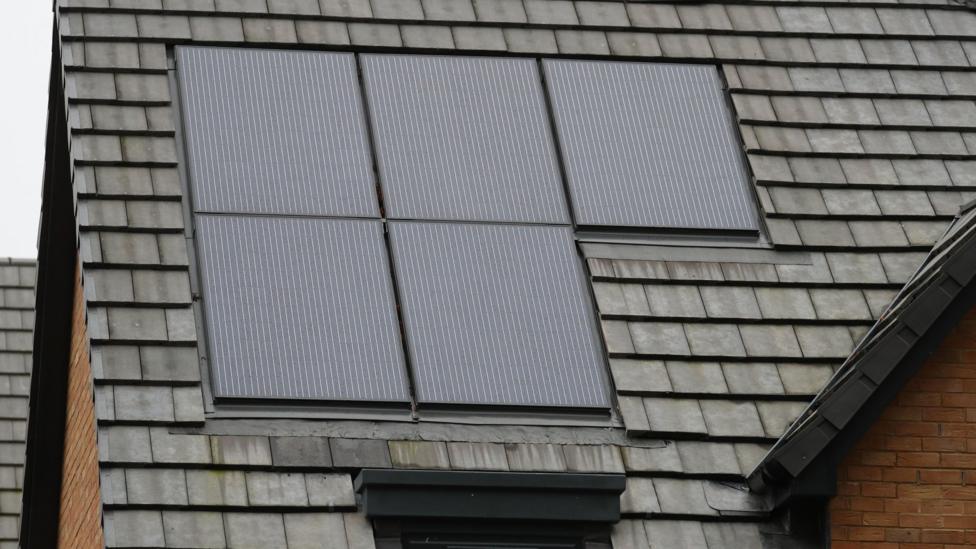
A Wisbech homeowner has revealed he suspected a government-backed energy efficiency scheme might be fraudulent until the work on his property was finished. David Brain had solar panels fitted through the warm homes local grant, a programme aimed at lower-income households, and now says his daily electricity cost has dropped to just 2p.
Councils across Cambridgeshire have already exhausted a £3.5m pot of grant funding after helping 245 homes, and have written to central government requesting additional money. A spokesperson for the Department for Energy Security and Net Zero said the Energy Secretary's focus remains on "bringing bills down for good," adding that the wider Warm Homes Plan would extend upgrades to more properties nationally.
Why did Brain think the scheme might be a scam?
Brain said his introduction to the scheme came from someone knocking on his door, which immediately raised his suspicions.
We were very sceptical, but we went online and we checked them out, and then we checked whether it was a legitimate thing through the government website.
We registered, and then we got a call from a contractor that had been appointed, they came and did a survey, and we were still very, very sceptical, but we worked through the process.
They answered the questions. There was no hard sell or a hard push, and because they'd satisfied my scepticism, we went ahead.
Even after the installation, doubts lingered until the final paperwork arrived.
All the way through, to be honest with you... it was only at the end, once the process had been done and they'd sent me the handover package, that I thought, 'Well, you know, it does seem too good to be true, but you know, we were a beneficiary from it, thankfully.'
How is the scheme run locally and who qualifies?
In Cambridgeshire, delivery of the grant is coordinated through the Cambridgeshire Energy Retrofit Partnership, a collaboration of six local authorities with Cambridge City Council acting as lead authority. According to earlier reporting from Cambridge City Council, the partnership also includes East Cambridgeshire, Fenland, Huntingdonshire, Peterborough City Council and South Cambridgeshire.
Labour councillor Rosy Moore of Cambridge City Council confirmed the demand for the scheme has outstripped the current budget.
We've been so successful that all of our [grant] money is booked to be spent, as it were, that's all in the pipeline.
So we've actually written to the department and asked if they could extend it for us because our partnership is working so well.
Eligibility rules state that properties must be privately owned homes in England rated D, E, F or G on their energy performance certificate, with households typically earning £36,000 a year or less, according to official government guidance, though those receiving certain benefits may also qualify. Where a council still has funding, a home assessment is arranged and eligible measures can include air-source heat pumps, insulation and solar panel installation.

Figures published by a parliamentary committee show the partnership's Warm Homes: Local Grant allocation stood at £8,568,050 for the 2025/26 financial year, with further annual funding earmarked for 2026/27 and 2027/28 subject to later decisions, according to a parliamentary committee document. Nationally, the scheme forms part of a three-year programme running from April 2025 to March 2028, backed by up to £500m for councils to deliver locally, according to government publications.
What happened to residents who missed out?
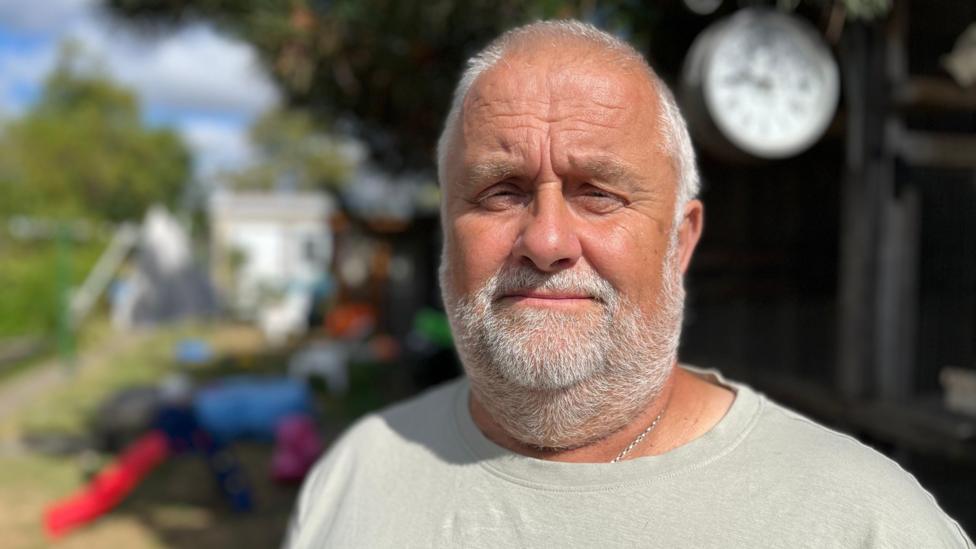
Not everyone hoping to benefit from the scheme has had the same experience as Brain. Trevor Dewey, from Little Downham, had been expecting a new boiler and solar panels, and had a contractor visiting his home at one stage, but the work has since collapsed.
We had a phone call the other day telling us the scheme had run out of money, and maybe there'd be more money coming in 12 months' time... we're disappointed.
Separately, Huntingdonshire District Council has said the local version of the grant is now in its second year and has built up a waiting list because of the volume of applications, according to Huntingdonshire District Council. Meanwhile, Action on Energy Cambridgeshire, which administers the grant across Cambridgeshire and Peterborough, says applications remain open to eligible households despite the funding pressures described by councillors, according to Action on Energy Cambridgeshire.
How does this fit into wider government energy policy?
The warm homes local grant sits alongside a separate social housing fund aimed at local authorities and social housing providers, and the Department for Energy Security and Net Zero has been examining whether to merge these into a single scheme for low-income households, potentially allowing local partnerships to design tailored plans for their area.
The grant scheme also connects to broader efforts to cut household energy costs. Households have until Sunday 23 August 2026 to check their name appears correctly on their electricity bill in order to secure the separate £150 Warm Home Discount ahead of an expected rise in winter energy prices. Separate research has also suggested that low-cost, Bank of England-backed loans for solar panels could save households £250 a year and reach up to 8 million homes without direct cost to the government.
By contrast, uptake of other low-carbon home upgrades has been slower. Figures show heat pump installations across the UK grew by just 7% last year following cuts to government support, prompting concern from climate advisers about progress toward national targets. Looking further ahead, new-build regulations will require all new homes in England to include heat pumps and solar panels by 2028.
What happens next for applicants?
Households in Cambridgeshire who still meet the eligibility criteria are being advised they can continue to apply through Action on Energy, which recommends contacting the local authority or its helpline to begin the process, according to Action on Energy Cambridgeshire. The national Warm Homes Local Grant programme is due to run until March 2028, according to industry analysis of the scheme, and the government's own Warm Homes Plan page, last updated on 17 August 2026, indicates the wider programme remains active, according to the government's Warm Homes Plan.
Government guidance also notes that local authorities must complete required application procedures before any grants can be issued, meaning further funding decisions or approvals will determine how many additional Cambridgeshire homes can be upgraded once councils receive a response to their request for more money.
Key Facts
- David Brain, of Wisbech, had solar panels installed through the warm homes local grant in June 2026 and now pays around 2p a day for electricity.
- Cambridgeshire councils have used up a £3.5m grant pot after assisting 245 homes and have asked the government for more funding.
- The Cambridgeshire Energy Retrofit Partnership includes East Cambridgeshire, Fenland, Huntingdonshire, Peterborough City Council, South Cambridgeshire and lead authority Cambridge City Council.
- Trevor Dewey, of Little Downham, had expected a new boiler and solar panels but was told the scheme had run out of funds, with possible further money in 12 months.
- The national Warm Homes Local Grant runs from April 2025 to March 2028, backed by up to £500m, with applications still open in Cambridgeshire through Action on Energy.


