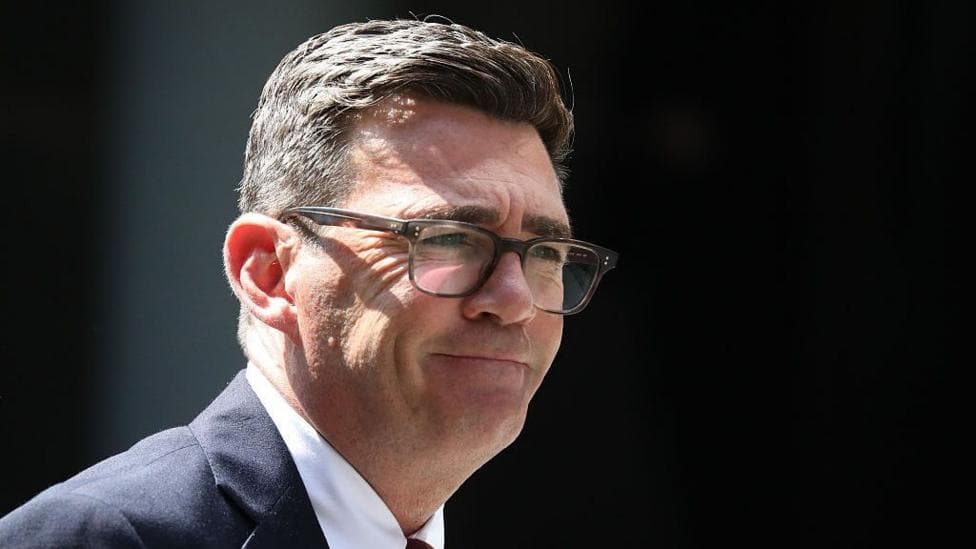
Prime Minister Andy Burnham has secured the early prisoner release restrictions he has pursued for weeks, announcing that hundreds of offenders will remain behind bars rather than being freed under the original scheme. However, the path to implementing these changes reveals significant challenges ahead, with prisons already operating at dangerous capacity levels and long-term solutions still months or years away.
Burnham had already tightened eligibility criteria earlier in the year and repeatedly signalled his intention to expand exemptions further. What remained unclear was how he would overcome the Ministry of Justice's earlier warning that additional exemptions risked pushing the prison system beyond its breaking point. The prime minister himself had previously acknowledged he had "pushed to the very limits of what is possible to do."
In an exclusive interview with a national broadcaster, Burnham identified two key measures that made his latest intervention possible: ending indefinite sentences and accelerating deportations of foreign offenders. He also indicated that new capacity would be created by immediately beginning work to retrofit existing prisons with additional cells.
How will these changes actually free up prison space?
None of the three approaches offers quick relief. Ending indefinite sentences requires new legislation and could take years before any space is freed. Previous governments have struggled to deport foreign offenders quickly, and there are no known new returns agreements with other countries that would accelerate the process. Retrofitting prisons to create more cells is expected to take months.
Government insiders acknowledge that in the short term, Burnham can only deliver on his announcement by allowing prisons to become even more crowded. With the adult male prison estate already operating at 98% capacity, this approach carries significant risk. According to the Ministry of Justice's revised plans, the new scheme will release prisoners in 10 batches, with the first batch covering people serving sentences of fewer than 575 days, and those jailed for 12 years or more would not become eligible until June 2027.
Why did the prime minister act now?
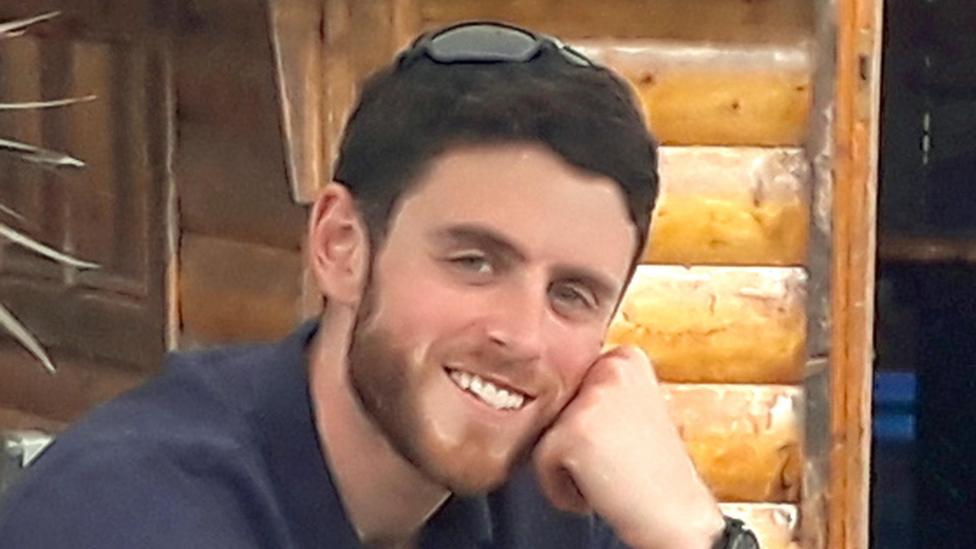
Within government, the additional exemptions are being characterised as a "political decision"—unsurprising given the intense pressure that built up over the summer, particularly surrounding the potential early release of PC Andrew Harper's killers. Police officer Andrew Harper suffered fatal injuries while on duty in 2019, and the prospect of his attackers being freed early generated sustained public and media attention.
Burnham's team remains mindful of early missteps in Sir Keir Starmer's premiership that caused lasting political damage. They view the absence of major mishaps in Burnham's first six weeks as evidence of a more disciplined political operation. Government officials were surprised by the level of media focus on early release over the summer and view the new parliamentary term as an opportunity for news stories to move more quickly through the cycle.

How did the announcement come about?
After initial uncertainty about whether the government could exempt additional prisoners, PC Harper's mother told a national broadcaster that the handling had been a "hash." Government officials working on the plans consulted with victims' families, who made clear they did not want measures to be leaked gradually to the media. A single comprehensive announcement was deemed the cleanest approach.
The announcement was initially expected to come as a parliamentary statement from the justice secretary on Tuesday. Instead, Burnham chose to make it himself during an interview with a national broadcaster. It is understood the prime minister was mindful of mounting speculation and wanted to provide victims and the public with certainty as quickly as possible.
This decision may have risked the displeasure of Speaker Sir Lindsay Hoyle, who is generally critical of governments making major announcements outside Parliament. It may also have provided ammunition to Conservative leader Kemi Badenoch, who has already characterised Burnham as a "people pleaser" who struggles to refuse requests.
What changes have already been made to the scheme?
Earlier in 2026, Burnham had already excluded people convicted of rape, grooming, and serious child sexual offences from the early release scheme. According to reporting on the revised rules, about 1,000 fewer prisoners will be released early as a result of these exclusions. The government has also adjusted the release thresholds: offenders serving sentences of four years or more will now be released at the halfway point rather than two-thirds, while those on shorter sentences will be released after a third.
Burnham paused the original early-release scheme on 23 July 2026 following public backlash over the possible early release of PC Andrew Harper's killers, Albert Bowers and Jessie Cole. The reported exclusion of certain manslaughter convictions would directly determine whether they remain in prison.
What happens next?
According to the Ministry of Justice, the revised early-release scheme is due to become operational by October 2026. Further amendments may be made in future to exclude additional categories of offenders from early release eligibility.
While Burnham has repeatedly said he has pushed the system to its limits, Whitehall sources now insist there will be no further additional exemptions. However, that position is likely to be tested as stories emerge about victims of prisoners who will still be released early under the revised scheme. The characterisation of Burnham as someone who finds it difficult to refuse requests may face renewed scrutiny as these cases become public.
The prime minister's willingness to accept higher prison crowding in the short term reflects the political weight of the early-release issue. Whether this approach can be sustained as capacity pressures intensify remains an open question for the months ahead.