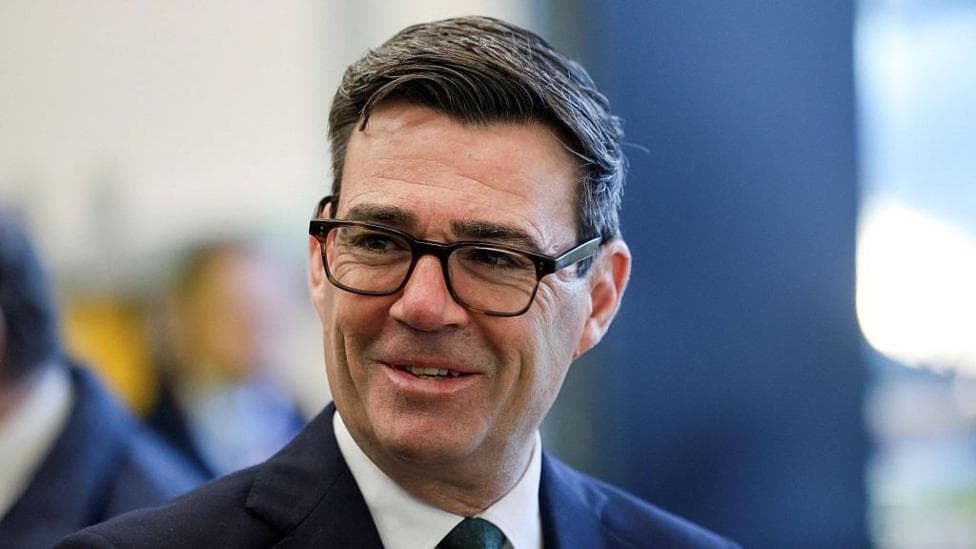
Prime Minister Andy Burnham has firmly dismissed suggestions that he will dissolve Parliament for an early general election, stating he will not call a snap poll within the next 12 months. According to BBC News, Burnham made the pledge after delivering his first Budget with Chancellor John Healey on 28 October, which raised taxes and spending to fund cost-of-living support.
The next scheduled UK general election must take place by August 2029. However, opposition parties have repeatedly speculated that Burnham may seek a fresh mandate before then, prompting the prime minister to address the question directly. When asked by broadcasters whether he would call a snap election within the next year, Burnham responded:
I don't know how many times I've done this now but yes, I can rule out calling a general election in the next 12 months.
Burnham emphasised that his focus remains on delivering for the public rather than pursuing partisan advantage. He told broadcasters:
I'm not thinking about myself. I'm not thinking about my own party and its prospects.He added that his priorities centre on a 10-year plan that will inform the spending review next year, rather than on internal party political considerations.
Burnham became prime minister on 20 July 2026, after returning to Parliament for Makerfield in June and becoming Labour leader on 16 July. His rapid ascent to the top job followed Sir Keir Starmer's resignation after losing the support of Labour MPs.
Why are opposition parties pushing for an early election?
Conservative leader Kemi Badenoch has suggested that Burnham is preparing for an earlier poll despite his public denials. Earlier this month, she told BBC South East that the Conservative Party was
coming backafter it slumped in popularity at the end of 14 years in government. Badenoch argued that the current political landscape is characterised by volatility and multi-party competition, and claimed:
I do think Andy Burnham is going to call an election sooner than he is saying... all the policies he announced are for after an election.
Reform UK leader Nigel Farage has been more explicit in his predictions. In September, he stated his belief that an election would be held
next spring, arguing that Burnham lacks a mandate to govern. Farage said:
I believe there must be a general election because Andy Burnham has no mandate - the messiah without a mandate, we deserve a general election on who continues to govern this country.
What do the latest polling figures show?
Current polling presents a mixed picture of public support across the major parties. According to Yahoo News, an Ipsos voting-intention poll put Labour on 32%, the Conservatives on 24% and Reform UK on 20%. However, a separate average of recent polls showed the parties at 28%, 21% and 22% respectively. The latest weekly poll average, for the week ending 25 October, had Labour on 29%, with Reform and the Conservatives tied on 22%, the Greens on 10% and the Liberal Democrats on 9%, according to The Independent.
What are Burnham's key policy ambitions?
Burnham has outlined several significant policy priorities that have fuelled speculation about his electoral intentions. One major area is Brexit, where he has signalled a desire for an
honest conversationabout the UK's future relationship with the European Union. However, on Wednesday he promised to stick to the red lines in Labour's 2024 manifesto on EU freedom of movement, the single market and customs union
for the whole of this Parliament.
The prime minister has repeatedly stressed that his focus is on delivering long-term change rather than seeking electoral advantage. He told broadcasters:
We've got a 10-year plan to come, and that will inform the spending review next year. These are my priorities, not looking at our own internal party political advantage.
Burnham's commitment to serving a full parliamentary term reflects his earlier pledges made before becoming prime minister. When he was the sole Labour leadership candidate in July, he ruled out calling an early election if he secured the top job, stating he would adhere to the 2024 manifesto commitments.
What happens next?
Burnham said his forthcoming 10-year plan would inform next year's spending review, though no specific date for either announcement was provided. The current Parliamentary term runs until the next general election, which must be held by August 2029. The prime minister's focus will remain on implementing the policies outlined in his first Budget and preparing the longer-term strategic plan for his government.

The prime minister's repeated denials of an early election reflect his determination to establish a clear distinction between his administration and the previous government's approach to electoral timing. By committing to a full parliamentary term, Burnham is signalling his intention to prioritise governing over campaigning during his first years in office.