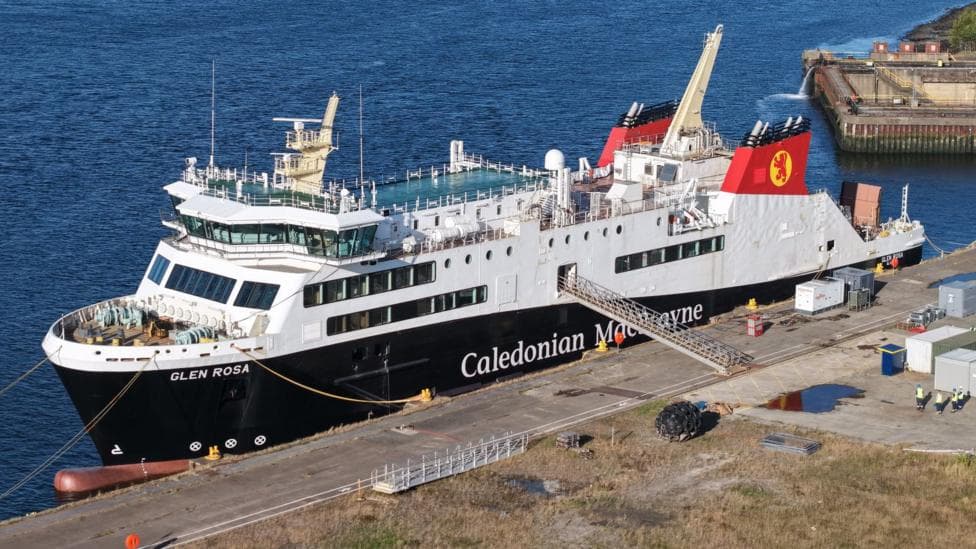
The delivery of Scotland's long-delayed CalMac ferry MV Glen Rosa has been postponed for a further two months, with handover now scheduled for February 2027 instead of the end of this year. According to BBC News, the dual-fuel vessel being constructed by state-owned Ferguson Marine will undergo replacement of its propellers during dry dock work in late January before entering service. The decision follows technical issues identified on the ship's sister vessel, MV Glen Sannox, which entered operation in January 2025 after nearly seven years of delays.
Transport Secretary Stephen Flynn confirmed the revised timeline in correspondence to Holyrood's transport committee.
Ferguson Marine has assured me that Glen Rosa can be delivered this year, however the handover will now be scheduled to take place in February 2027. This enables new propellers to be fitted and the ship's liquefied natural gas (LNG) fuel systems to be filled and commissioned only once. Doing this work now avoids the need to recall the vessel later.The Scottish Government stated that Ferguson Marine will assess the practical and financial implications of the revised handover plan and update Parliament later.
The two LNG-powered vessels represent the first ships of their kind ever built in the United Kingdom, but their construction has been hampered by design complications and technical disputes. When Glen Sannox commenced operations on CalMac's Arran route, it initially received positive feedback from passengers. However, two months into service, a weld failure near the stern caused a minor leak, which was subsequently repaired but revealed a more serious underlying issue.
Why are the propellers being replaced?
Investigation into the weld failure determined that excessive vibration when the vessel moved astern in harbour was the root cause, a problem directly linked to the propeller design. The propellers, rudder, gearboxes and dual-fuel propulsion system were all engineered and supplied by Finnish manufacturer Wartsila. Following months of redesign work, replacement propellers are scheduled to be fitted to Glen Sannox during its annual maintenance in December, with the revised blades becoming available earlier than initially anticipated.
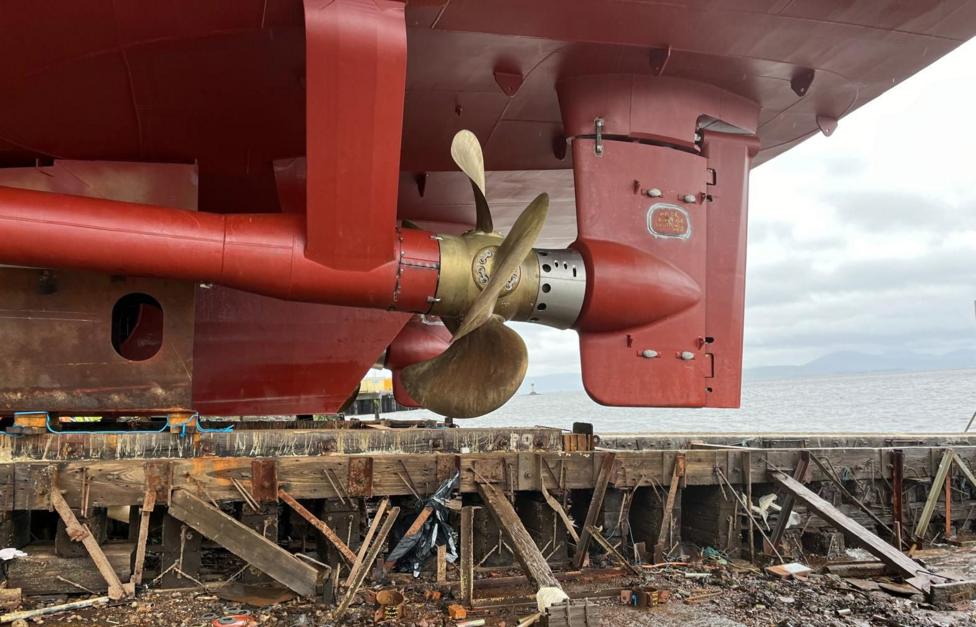
Glen Rosa is presently moored at Inchgreen Marine Park on the Clyde for the final construction phase but must enter dry dock before the propeller replacement work can proceed. The decision to delay handover until January allows time to assess how the redesigned propeller blades perform on Glen Sannox before fitting identical components to Glen Rosa, avoiding the need to withdraw the vessel from service later for retrofit work.
What is the cost impact of these delays?
The two ferries were originally contracted for £97 million when ordered from Port Glasgow in 2015, but successive delays and technical challenges have triggered multiple cost escalations. Ferguson Marine is still evaluating the financial implications of the latest postponement. The current completion estimate for Glen Rosa stands at £197.5 million, which includes a £5.5 million contingency, representing more than four times the original contract price. An additional £150 million was required to complete Glen Sannox, and these figures exclude £83 million paid before the yard's nationalisation and £45 million of written-down government loans that ministers have stated were not directly attributable to the troubled ferries programme.
What delays have affected the construction schedule?
Builder's sea trials, originally planned for October, have been rescheduled for November due to multiple system issues identified during commissioning—a process Ferguson Marine characterises as routine for a vessel of this complexity. The ferry's first sea trials had not begun as of 28 October, despite earlier plans to start them in September or October. Ferguson Marine Chief Executive Graeme Thomson stated that fitting the new propellers constitutes additional scope and will occur in dry dock in late January. For safety reasons, the vessel cannot enter dry dock while carrying LNG fuel, necessitating a postponement of the LNG systems commissioning until after the propeller work is complete.
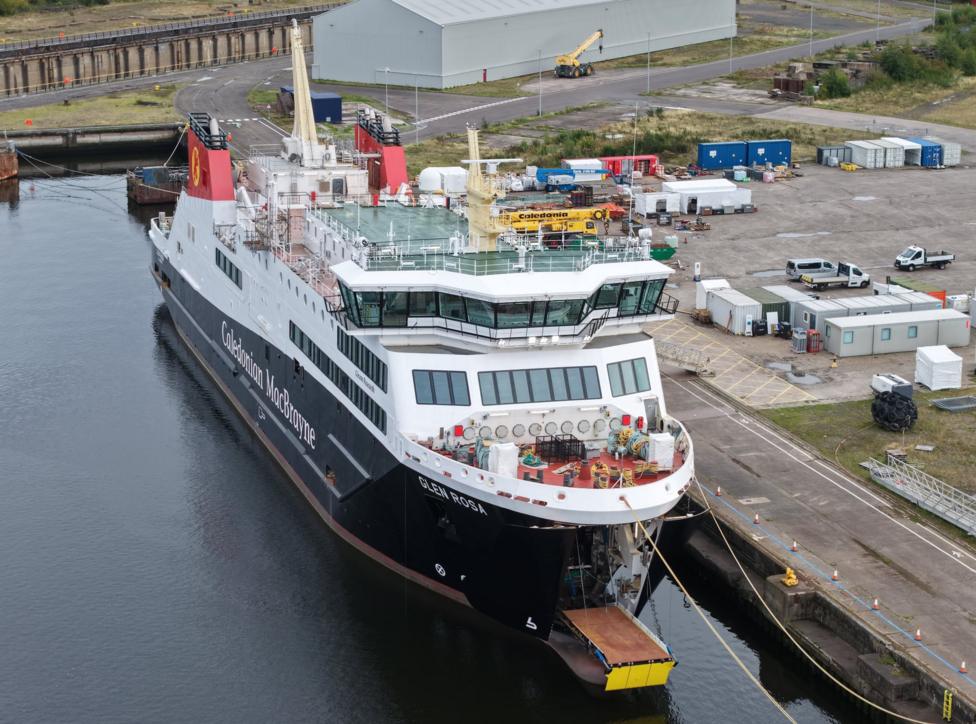
In July, Glen Rosa was relocated to Inchgreen Marine Park from Ferguson Marine's Port Glasgow yard to allow subcontractors to complete remaining work, including installation of the LNG propulsion system. The move also prepared the Port Glasgow facility for modernisation. Thomson committed to providing the transport committee with a substantive update following the completion of builder's sea trials, including details of the revised handover schedule and cost implications of the propeller replacement decision.
What safety issues have emerged?
Last month, BBC Scotland News revealed that Glen Sannox experienced a large and uncontrolled venting of flammable methane gas during its first year of operation, caused by the failure of a valve within Wartsila's engine system. The vessel has not operated using LNG since the incident, although CalMac maintains it is safe to resume LNG operations following installation of an upgraded valve and additional monitoring equipment. These technical complications underscore the complexity of operating LNG-powered ferries and the necessity for thorough testing before Glen Rosa enters service.
What happens after handover?
Following delivery in February 2027, Glen Rosa will require approximately six weeks for sea trials and crew familiarisation before commencing passenger operations. The ferry is expected to serve the Troon–Brodick route initially; it could later operate from Ardrossan after the harbour is upgraded. The vessel will undergo owner's acceptance trials and final regulatory approval processes before entering the CalMac fleet. Transport committee convener Willie Rennie expressed frustration at the continued delays, stating that new postponements were unacceptable and that the Cabinet Secretary would need to provide concrete answers when appearing before the committee on 18 November regarding the impact on island communities during the winter period.