The BBC will cease broadcasting BBC Three, BBC Scotland, and BBC Radio 4 Extra as linear television and radio services in spring 2027, the corporation announced on 20 October 2026. The move forms part of a broader cost-reduction strategy aimed at delivering £500m in savings by 2028. Approximately 100 positions will be eliminated at BBC News, while the channel closures will result in further job losses, including 10 roles in Scotland.
According to The Guardian, BBC director-general Matt Brittin framed the decision as a necessary response to financial pressures and shifting audience behaviour. In a message to staff, he stated:
We need to make every pound work harder for audiences as we respond to the immediate cost pressures and reinvent the BBC for a changing world. We all know that means tough choices.He acknowledged the difficulty of the announcement, adding:
Much of the great content they currently carry will still be found where audiences already enjoy them on and Sounds. While this follows media speculation, I recognise the confirmation of this news will be hard for audiences and colleagues.
These announcements represent the latest phase of a wider restructuring programme. The BBC had previously announced plans to cut 550 jobs as part of its £500m savings strategy, with further reductions expected before 2027. The broader savings programme is reported to potentially affect up to 2,000 positions across news, nations and content divisions by 2028/29.
What will happen to BBC Three?
BBC Three will transition to a digital-only service, with programming made available exclusively through BBC and other platforms including YouTube. The channel, which serves a predominantly younger audience, has produced major successes since its return to linear television in January 2022, including Fleabag, Normal People and Killing Eve. Its original closure from linear TV in 2016 preceded a six-year period as an online-only service before its reinstatement as a full broadcast channel.
What changes are planned for BBC Scotland?
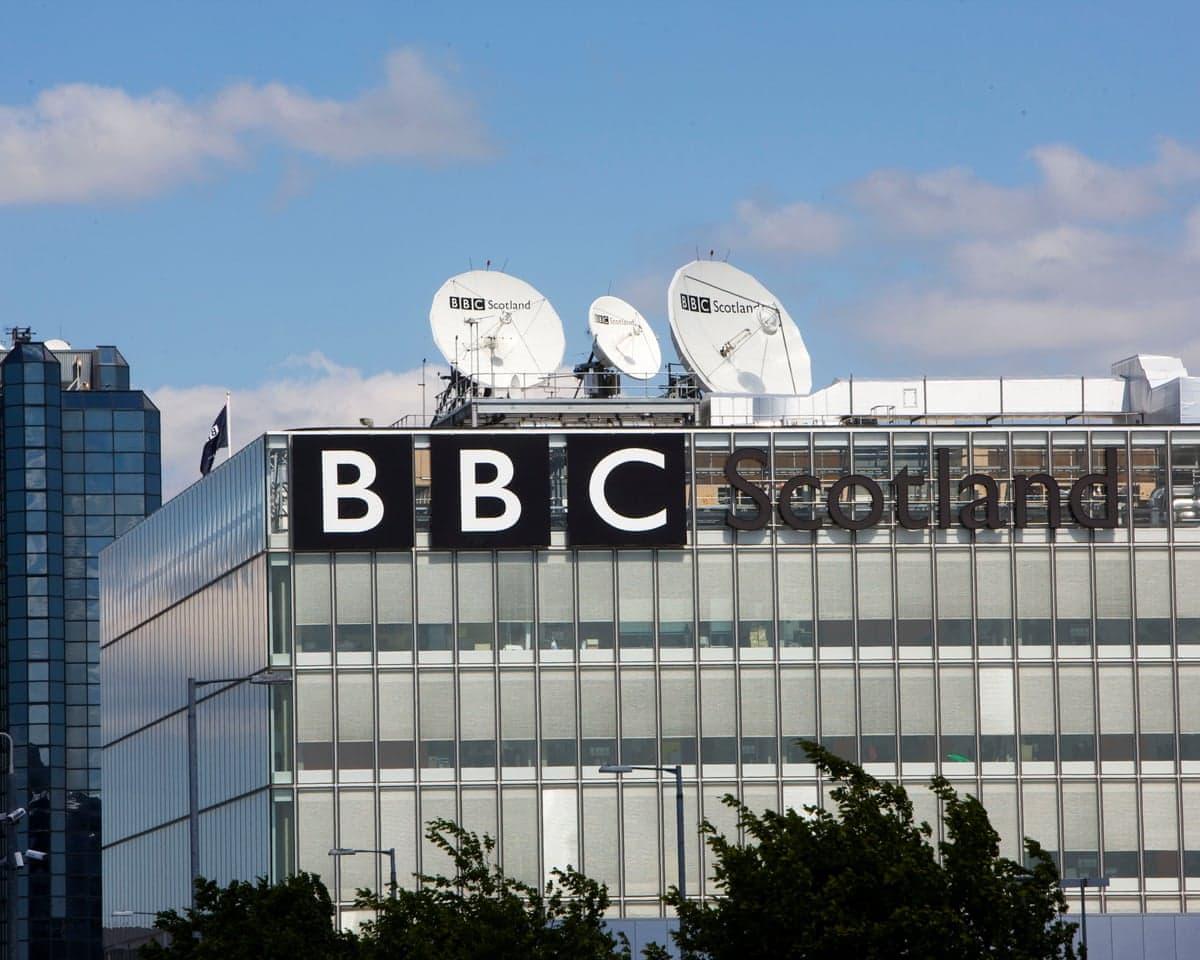
BBC Scotland will cease operating as a broadcast television channel but will remain accessible as a service on BBC . The BBC confirmed the move to online-only on 7 October, following earlier reports describing it as expected rather than formally announced. Scottish viewers will continue to access BBC Scotland content through , BBC One Scotland and BBC Two Scotland. The channel has received approximately £250m in funding since its launch, though viewership metrics reveal challenges: 12% of people in Scotland watched BBC Scotland live, while 54% consumed BBC Scotland content weekly across television, , radio and online. The Nine, a flagship current affairs programme, was scrapped two years ago after some episodes attracted as few as 1,700 viewers.
What happens to Radio 4 Extra content?
Programming from Radio 4 Extra will remain available through and local radio services. The Daily Service will continue on and local radio platforms. The BBC is reducing audio output by 350–400 hours by 2027/28 as part of its wider savings plan, though the corporation will simultaneously launch new shows and expand existing programmes.
What other BBC services are affected?
The closures follow earlier savings announcements affecting BBC Scotland, Wales, Northern Ireland, Local and Speech and Sounds divisions. BBC Wales is eliminating 45 jobs as part of the corporation-wide savings plan, with reductions in television output by 20 hours annually and cancellation of several radio programmes. At the weekend, the BBC confirmed that its long-running home renovation series DIY SOS will be suspended next year in response to the corporation's savings challenges. The corporation has also cancelled plans to construct a dedicated studio for The Archers at the Tea Factory in Digbeth, Birmingham.
What happens next?
Rachel Jupp, the new director of BBC News, will present detailed savings plans for the news division in early 2027, while other divisions will confirm their own cost-reduction strategies in the coming months. The BBC has not yet established a specific on-air closure date for the linear services, though spring 2027 has been identified as the target period for the transition.