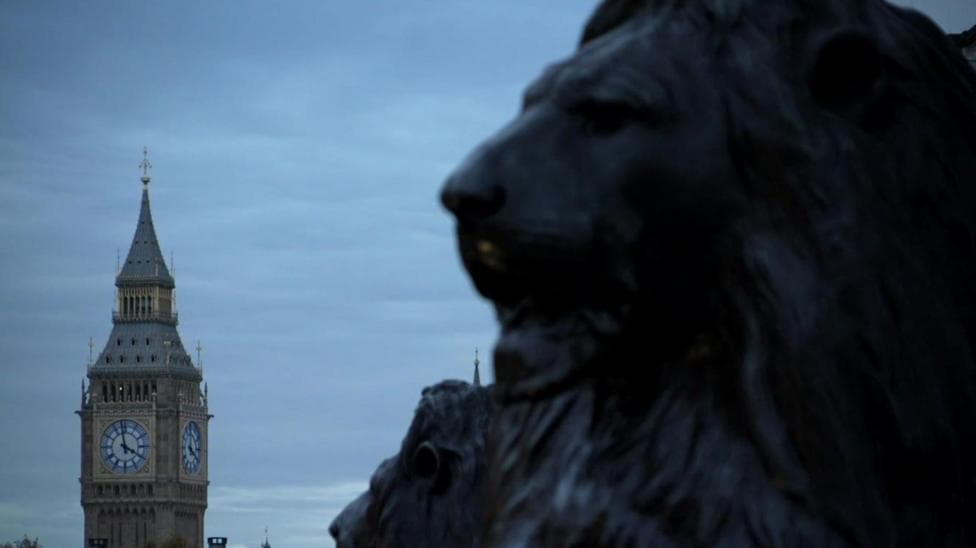
Conservative leader Kemi Badenoch has challenged Labour to demonstrate the political will to make substantial public spending reductions, arguing that such cuts are essential for managing the national debt and funding defence commitments. Speaking in central London, Badenoch contended that the government is preparing a Budget that obscures difficult decisions rather than confronting them directly. According to BBC News, Badenoch said the chancellor was hoping to deliver a "nothing to see here Budget" next week but stressed that "Britain cannot afford to do as little as possible."
Badenoch outlined her own fiscal strategy, which centres on reducing spending by £70bn. She emphasised that while reductions in public expenditure are difficult to implement, they become more palatable when applied fairly.
Cuts are never easy but they are much easier to accept if what you are doing is fair.She added that fairness must extend to taxpayers, future generations, and those genuinely requiring state support.
Labour Party chairwoman Bridget Phillipson dismissed Badenoch's approach as regressive.
Reverse Robin Hood politics – giving tax breaks to the wealthiest while offering nothing to ordinary people, she characterised the Conservative proposals. Phillipson pointed to Labour's economic record since taking office, noting that the economy is growing, interest rates have fallen, and private investment has returned.
Chancellor John Healey will present his tax and spending plans on 28 October 2026, marking the first Budget since Andy Burnham became prime minister. The government faces mounting pressure to clarify how it will increase defence funding to 3% of national income by 2030, though this commitment is not expected to be detailed until the government's spending review next year. The Budget is also unlikely to address welfare system changes, which are anticipated once former cabinet minister Alan Milburn completes his review into young people and work.
Badenoch suggested that Labour's strategy amounts to postponing difficult choices.
If Labour's plan is to kick tough decisions into the long grass, come out with tiny bits of micro-policy, put up a few taxes, spend a bit more on welfare, and hope nobody notices before the next election, they are kidding themselves.She argued that Labour's fiscal plans require substantial reductions to the public sector in 2029, a year when the party would likely call an election rather than implement unpopular measures.
The Conservative leader referenced recent praise from the International Monetary Fund for the UK's borrowing reduction plans, but suggested Labour would not follow through.
The IMF clearly don't know this Labour Party like I do, she remarked. She also warned that investors are sceptical of Labour's stated spending cuts.
They are not suddenly going to find the courage to cut spending in the final year of a Parliament right before an election... Investors aren't buying these fictional cuts either.
Recent government borrowing figures underscore the fiscal pressures facing the Treasury. In August, government borrowing reached £18.3bn, while debt servicing costs climbed to £8.8bn—the highest level since records began in 1997. These figures illustrate the scale of the challenge facing policymakers as they balance spending commitments against fiscal sustainability.
How would Conservative spending cuts work?
Badenoch's party proposes to reduce borrowing through £70bn in savings, with a significant portion coming from welfare reductions. Under the Conservative "golden economic rule", half of these savings would be directed towards reducing the deficit, with the remainder available for other priorities such as defence. The party has recently announced plans to scrap inheritance tax on family homes, allowing couples to leave £1m tax-free, and to eliminate a rule that sees parents earning more than £100,000 annually lose childcare support.
When asked whether Conservative policies favour the wealthy, Badenoch told the BBC that her proposals would benefit everyone.
Quite frankly, getting people off welfare is doing something for them... the best welfare is a well-paying job, she said. On pensions, Badenoch resisted suggestions to modify the triple lock, stating she did not want to see "pensioner poverty" and believed other measures could stimulate economic growth instead.
Badenoch's proposed savings extend beyond welfare, encompassing reductions in the civil service and scaling back foreign aid commitments. These measures form part of a broader strategy to create fiscal space for defence spending without raising taxes on businesses or high earners.
What is the scale of the fiscal challenge?
The government faces a substantial funding gap as it attempts to meet competing spending commitments. The Institute for Fiscal Studies estimates that meeting defence and health spending ambitions without squeezing other departments could require about £35bn in additional funding, while analysts' estimates of remaining fiscal headroom differ, with KPMG putting it at £12bn and the IFS estimating £20bn. The government's fiscal rules require it to balance day-to-day spending with revenues and have debt falling as a share of national income by the end of the Parliament.
External pressures are compounding these challenges. The IFS warned that higher inflation linked to the Iran war could erode public-service spending plans, while higher borrowing costs could add around £10bn to borrowing costs in 2029–30. These developments narrow the government's room for manoeuvre and increase the urgency of difficult fiscal decisions.
What do other parties propose?
Trade unions and the Liberal Democrats have urged the government to raise revenue through a windfall tax on banks, which have reported substantial profits in recent years. Liberal Democrat leader Daisy Cooper argued that such a tax is justified given the financial pressures households have endured.
It's outrageous that while households have been grappling with the cost-of-living crisis, the big banks have benefited from a taxpayer-funded windfall worth billions.Cooper suggested that revenue from higher bank taxes could fund reductions in petrol, diesel, and transport fares.
Badenoch rejected this approach, contending that a windfall tax would harm bank shareholders, including pension fund holders. She maintained that her party's strategy of restraint and lower business taxes offers a superior path to economic growth.
What economic backing does Badenoch have?
The Conservative leader has received support from prominent economists. Former Bank of England chief economist Andy Haldane publicly backed Badenoch's economic approach, arguing that spending restraint and lower business and employment taxes were better suited to boosting growth than Labour's planned expansion of the state. This endorsement provides intellectual weight to Conservative arguments about the superiority of their fiscal strategy.
What happens next?
Chancellor John Healey is scheduled to deliver the Budget on Wednesday, 28 October 2026. The government will set out its tax and spending plans, though key decisions on defence funding and welfare reform are expected to be deferred to the spending review and Alan Milburn's review respectively. The Budget will be closely scrutinised for evidence of how Labour intends to navigate the fiscal pressures identified by independent analysts and address the competing demands for defence, health, and welfare spending.