More than a year after legislation designed to force landlords to address dangerous housing hazards came into effect, social housing residents across England report that conditions remain unchanged, with landlords applying superficial fixes rather than tackling root causes.
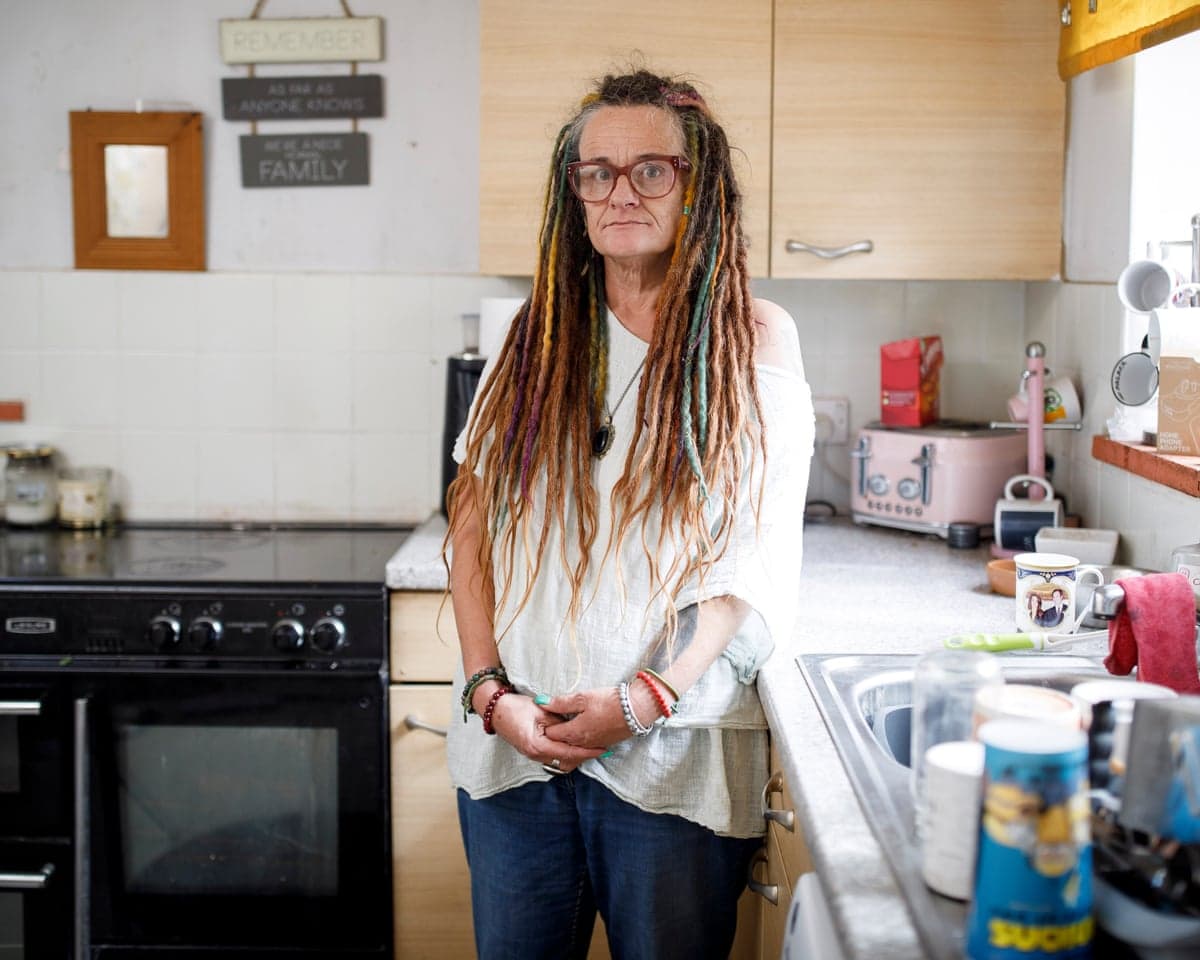
Sarah Killick has endured months of struggles in her social home managed by Clarion Association, the largest social housing provider in the UK, contending with persistent mould and damp that have caused her severe anxiety and physical health problems including permanent damage to her teeth from stress-related grinding. When Awaab's law took effect in October 2025, she anticipated relief, but the landlord's response fell short of her expectations.
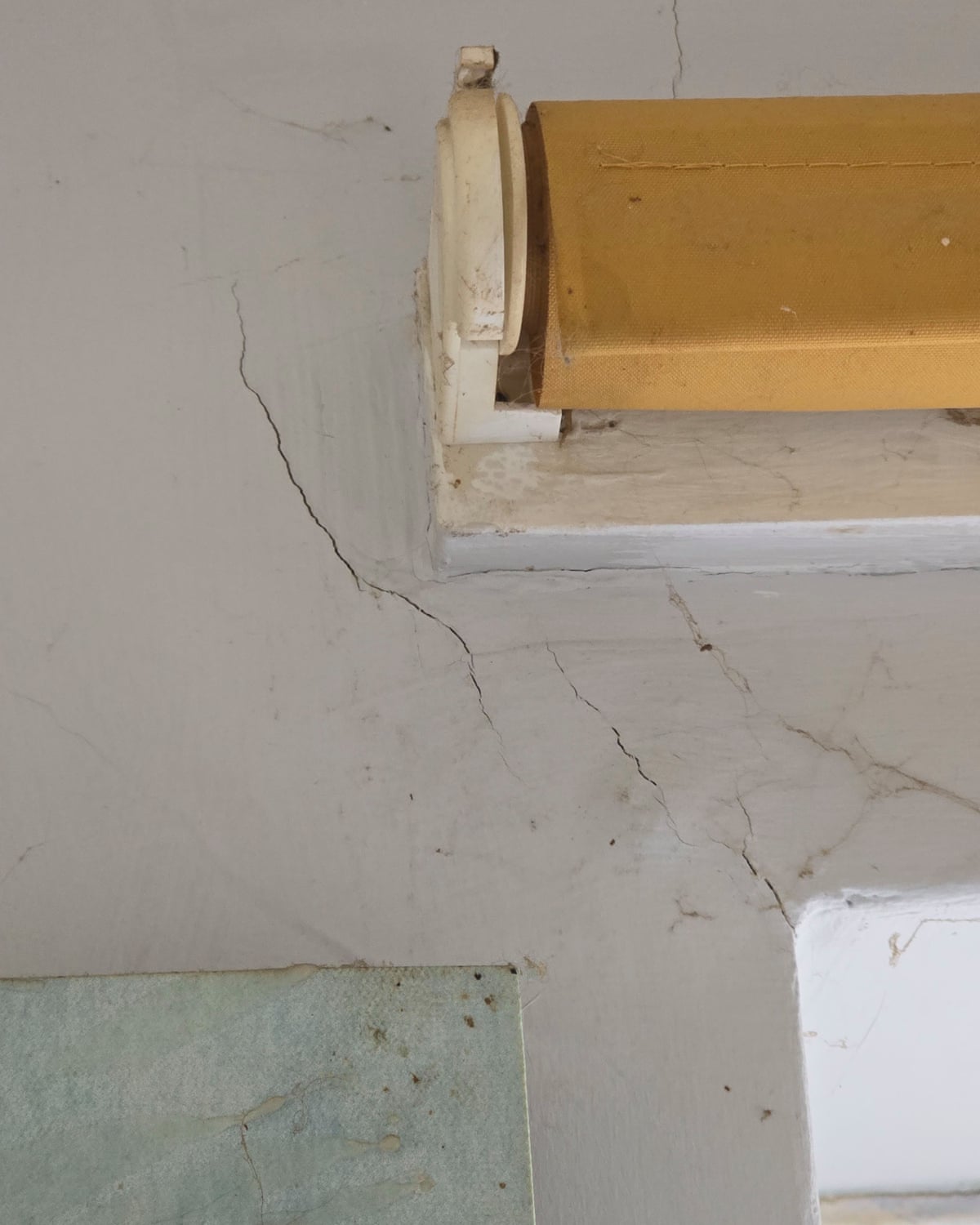
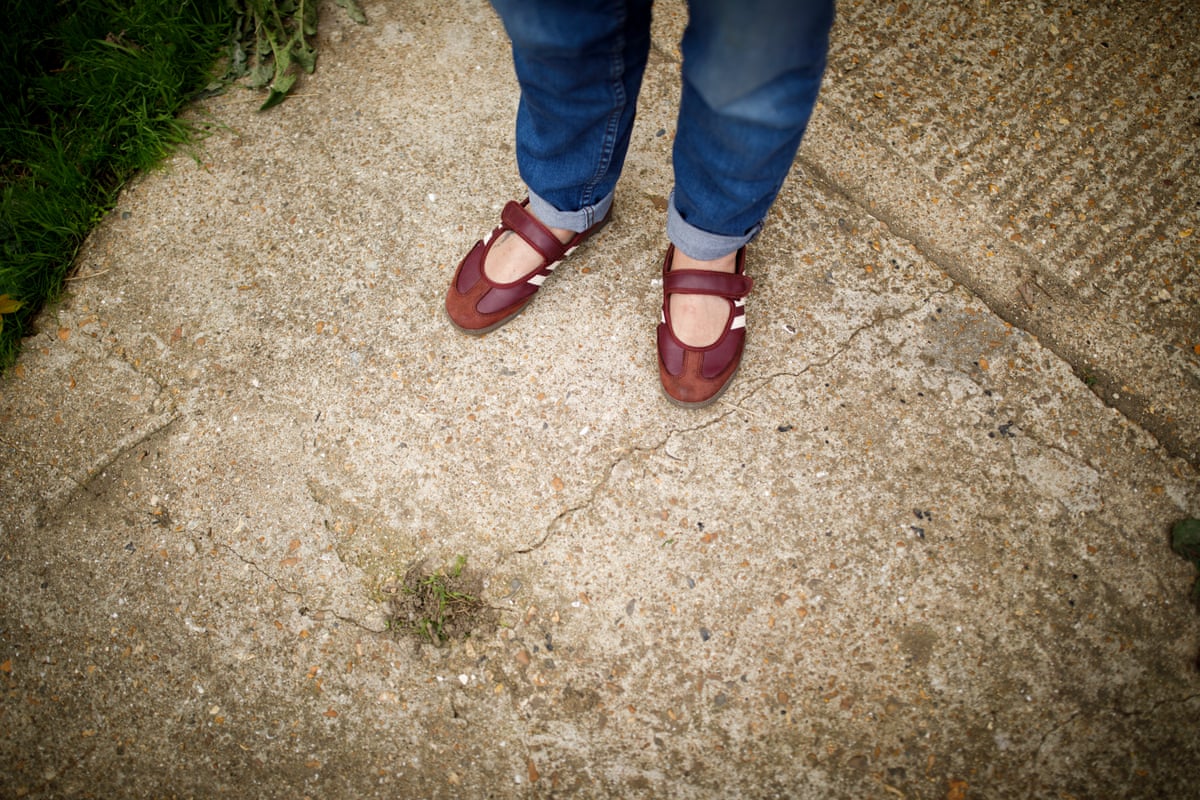
Contractors sent by Clarion applied a mould wash, yet Killick says they ignored the underlying causes of the dampness. External surveys had identified structural defects including cracks in the exterior walls and problems with guttering and drainage systems that were likely contributing to moisture ingress.
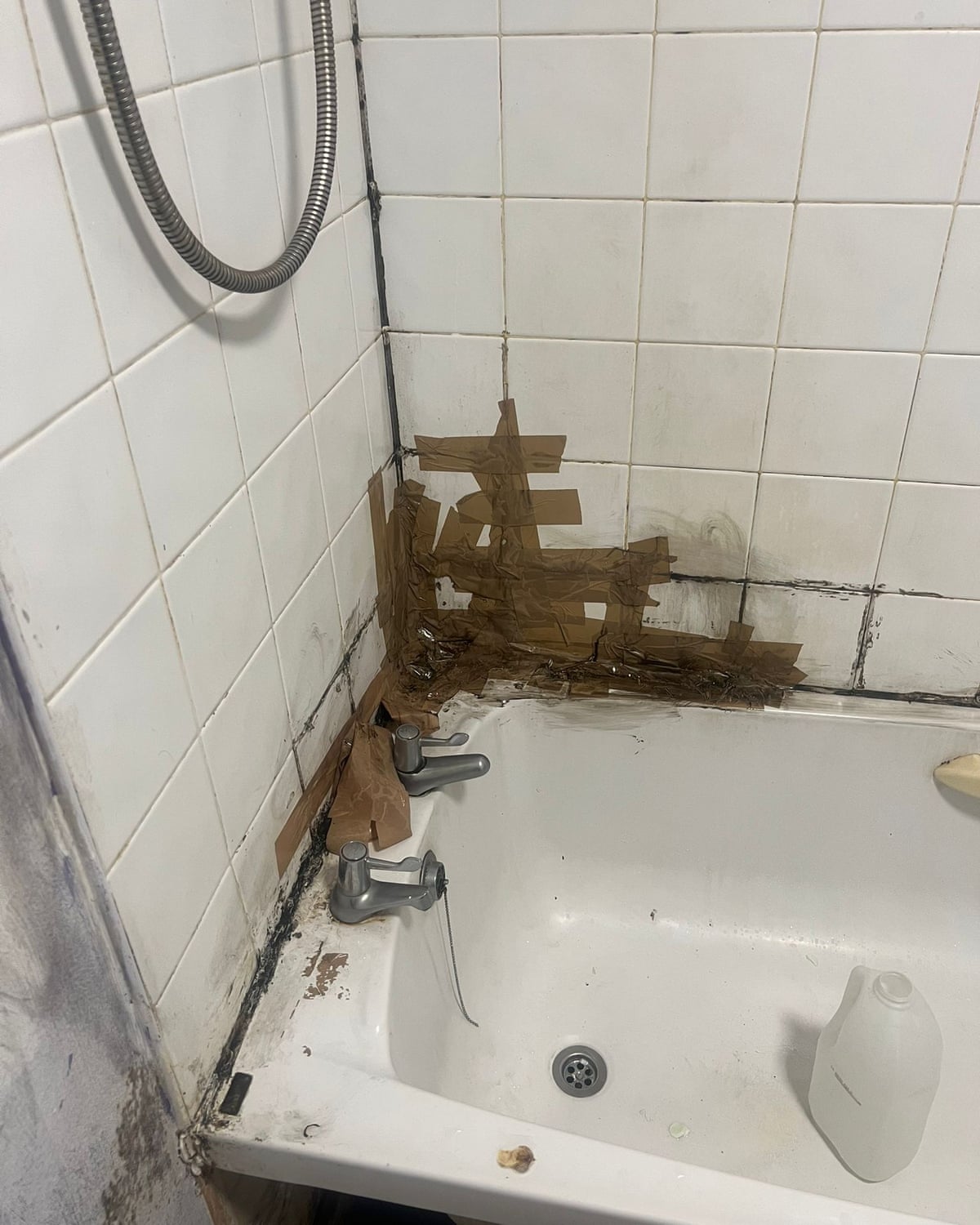
"We have to leave the mould on the walls, because if they turn up and we've wiped it, they say there's no mould, so you have to start the process again. You have to leave the mould growing until it's really furry and it's awful,"Killick explained, describing the absurd position tenants find themselves in when attempting to document hazards for enforcement action.
The housing ombudsman has now determined that Clarion failed in its legal obligations under Awaab's law, finding maladministration and service failure in Killick's case. The ombudsman stated that the landlord
"did not recognise that it failed in its duty to fully comply with Awaab's law".Clarion has rejected this finding and announced it will appeal the decision.
Killick's experience reflects a broader pattern. According to reporting on the ombudsman's findings, the housing ombudsman had received more than 400 cases where Awaab's law was relevant as of 15 July 2026, with maladministration identified in 97% of completed cases. Damp, mould and fungal growth accounted for the largest share of complaints, and the most common failings included landlords failing to recognise that Awaab's law applied, missing emergency hazard investigation deadlines, and inadequate record-keeping.
Why is enforcement proving so difficult?
Suzanne Muna, co-founder of the Social Housing Action Campaign (SHAC), argues that while Awaab's law introduced specific timelines for hazard remediation, the legislation created no meaningful enforcement mechanism for ordinary tenants. If landlords breach the law, tenants can pursue court action for breach of contract, and the housing ombudsman can publicly identify non-compliant landlords, order apologies, repairs and compensation. However, Muna points out that many residents lack the resources and legal knowledge to navigate court proceedings, particularly when facing housing associations with teams of solicitors.
"We haven't really seen any improvement, because it's no easier now for people to enforce their legal rights than it was prior to Awaab's law,"Muna said.
"The law says landlords have to make things fit for human habitation within these timescales, but it did nothing to address the enforcement gap."
Muna suggests that some landlords have calculated that paying compensation is cheaper than investing in the substantial repairs needed to bring properties into full compliance. In Killick's case, the ombudsman ordered Clarion to pay £1,175 in compensation, provide a formal written apology, and complete all outstanding repairs by 9 November 2026. If the landlord fails to meet this deadline, it must explain its reasons to the ombudsman. Killick remains sceptical that the work will be completed voluntarily.
"I just don't think it's going to happen, it'll have to go to court,"said Killick, who works full-time as a carer for her disabled son and also manages mental health challenges.

What are landlords actually doing instead?
Rather than undertaking comprehensive repairs, Muna reports that landlords are increasingly applying cosmetic measures such as mould washes and mould-resistant paint to satisfy Awaab's law deadlines while failing to prevent problems from recurring.
"People are still having to throw out clothes, worrying about the impact on their children – all of the things that were happening before are still happening,"she said.
"Landlords might do things a bit quicker now, but that's no comfort if they're not solving the problem."
Khayriya, a single mother of five living in Sheffield, has battled serious defects in her council home for years, including a non-functioning shower and toilet. The mould and damp were so extensive that she believes they caused her children to develop respiratory conditions, and the hygiene problems resulting from the broken shower led to bullying at school. Even after Awaab's law took effect, months passed before the council addressed the issues. Local campaigners from the community union Acorn had to confront Sheffield council's housing policy committee chair at a Green party event in July to push for action.
Once repairs were eventually carried out, Khayriya remained concerned that mould had simply been painted over in some areas rather than properly remediated.
"Awaab's law doesn't feel like it's made any difference yet,"she said.
"[Landlords] have still got the money, the power, the responsibility, but there's not enough accountability. Tenants still need more protection."
What is the context behind this law?
Awaab's law is named in memory of Awaab Ishak, a young child who died in December 2020 from a severe respiratory condition caused by prolonged exposure to black mould in his family's social housing flat. The legislation was introduced following years of complaints that social landlords were moving too slowly to address dangerous housing hazards, particularly damp and mould problems that posed serious health risks to residents.
Clarion's response to the ombudsman's findings emphasises its commitment to resident safety and its efforts to resolve Killick's case. The organisation stated that five senior colleagues have been dedicated to her case over nine months, with a single point of contact assigned to liaise with her. Clarion claims it attempted multiple appointments to complete repairs but was repeatedly denied access to the property. The ombudsman's investigation acknowledged that Killick's temporary refusal to grant access contributed to some delays, but found no evidence that
"the landlord took steps to obtain access to complete any of the other outstanding repairs".Clarion has paid for an independent survey and arranged an inspection by the local authority's environmental health team, and maintains that it has fully complied with Awaab's law.
What does the government say?
A government spokesperson stated that
"everyone has a right to a safe and secure home, free of damp and mould, and it is completely unacceptable for any social landlord to ignore fixing these issues."The government noted that social landlords failing to meet proper safety and quality standards can face unlimited fines, and that Awaab's law aims to empower tenants to hold landlords accountable through legal action if hazards are not investigated and fixed on time.
The government said it is working with councils to ensure they understand how to enforce Awaab's law and is investing up to £50 million to modernise courts to make it simpler to hold landlords accountable.
What happens next?
The scope of Awaab's law is set to expand significantly. Phase 2 of Awaab's Law is scheduled to come into force on 30 November 2026, broadening the regulations beyond damp and mould to cover additional hazards. Phase 2 will encompass excess cold, excess heat, falls, structural collapse, fire, electrical hazards, and domestic hygiene and food safety hazards.
The housing ombudsman is working to reduce its case backlog, which currently means complaints take an average of nine to 12 months to resolve. The interim head, Andrea Keenoy, has stated that the organisation is hiring 77 new case workers to accelerate the process.
Key Facts
- The housing ombudsman found maladministration in 97% of completed Awaab's law cases as of 15 July 2026, out of more than 400 cases received
- Tenants can pursue court action or lodge complaints with the housing ombudsman, but many lack resources to navigate legal proceedings against well-resourced housing associations
- Phase 2 of Awaab's law, expanding protections to cover hazards beyond damp and mould, takes effect on 30 November 2026
- Complaints to the ombudsman currently take nine to 12 months to resolve, though the organisation is hiring additional staff to reduce delays
- Landlords are increasingly applying superficial fixes such as mould washes and paint rather than addressing underlying structural causes of damp and mould