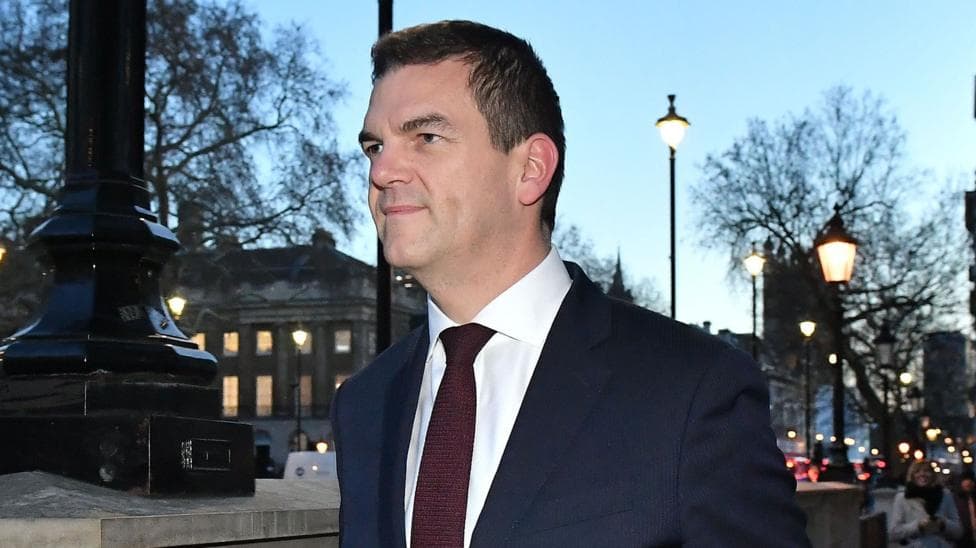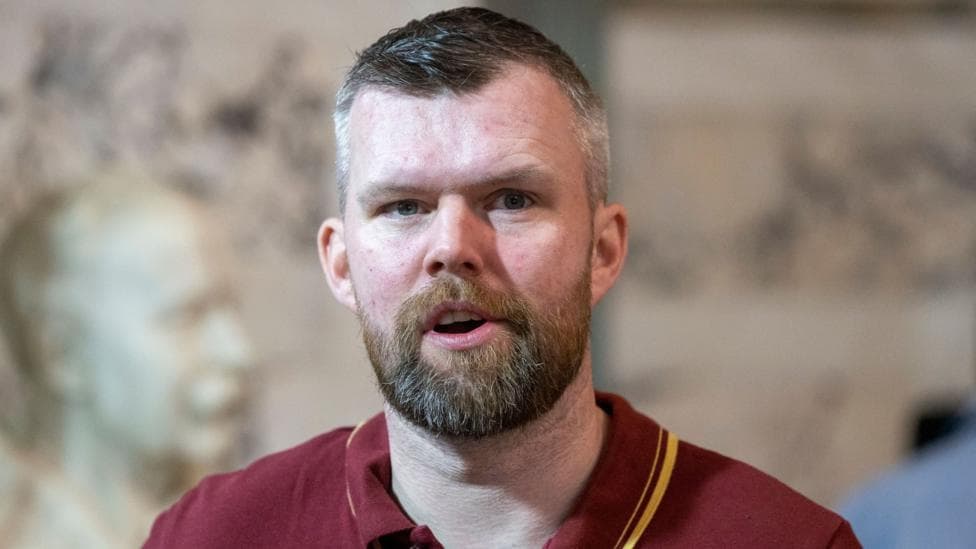
A Northern Ireland Assembly member has undergone questioning by police as part of an investigation into demonstrations surrounding the Drumcree parading dispute. According to BBC News, People Before Profit's Gerry Carroll was among several politicians summoned for interviews regarding their involvement in the protests on Garvaghy Road in Portadown, County Armagh.
The demonstrations formed part of a 13-day blockade that prevented a contentious Orange Order march from proceeding along the predominantly nationalist street. Carroll attended the PSNI station in Belfast city centre shortly after 15:00 BST, accompanied by a solicitor, and departed nearly two hours later.
Following his interview, Carroll characterised it as voluntary and stated he had presented a prepared statement to officers.
I make no apology for standing with the Garvaghy Road residents and I would do it again in a heartbeat,he declared. He further asserted that
I was exercising my right to free expression and peaceful assemblyand emphasised that
when a community asks for support that's exactly when elected representatives should turn up.
Carroll criticised the investigation itself, suggesting there were
holes everywhere in this caseand contending that millions of pounds have been squandered on policing Drumcree operations. He added that
hours were wasted here todayduring his police interview.
The PSNI operation surrounding Drumcree had accumulated costs exceeding £3 million by the week before Carroll received his interview letter, according to Belfast Media.
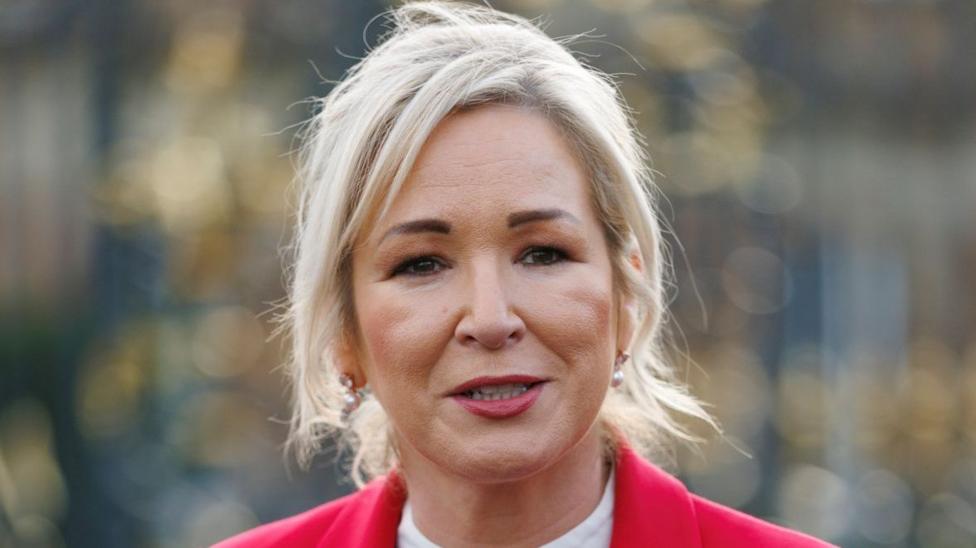
Police investigating the demonstrations announced last Thursday that they had begun distributing letters requesting interviews with individuals
reasonably suspectedof committing offences connected to the protests. First Minister Michelle O'Neill and several other senior Sinn Féin politicians have acknowledged receiving such letters from the PSNI.
When questioned by reporters on Wednesday, O'Neill indicated they were still
working that outwhen asked whether she had scheduled a date for her interview. The Sinn Féin vice-president has justified her attendance at the demonstrations, stating she would
continue to stand with the Garvaghy Road residents.
Unionist parties have demanded action against O'Neill and other nationalist politicians over the protests, alleging they acted unlawfully. The political pressure on nationalist figures has intensified as the investigation proceeds and the broader Drumcree dispute remains unresolved.
What is the Drumcree dispute?
The Drumcree parade controversy originated in the mid-1990s and at that time posed a significant threat to the peace process. The dispute generated violence including riots, roadblocks and murders. When the Orange Order was barred by police from walking the route in July 1995, a tense standoff ensued, repeating for the following three years.
The Garvaghy Road had been part of the Orange Order's Drumcree route since 1807; the dispute became a major political issue in 1995 after residents objected to the parade passing through their area, according to BBC News. The Parades Commission was established in 1998 to regulate parades and ease tensions; its decision that year to bar the Drumcree march from Garvaghy Road has been contested ever since, as reported by BBC News.
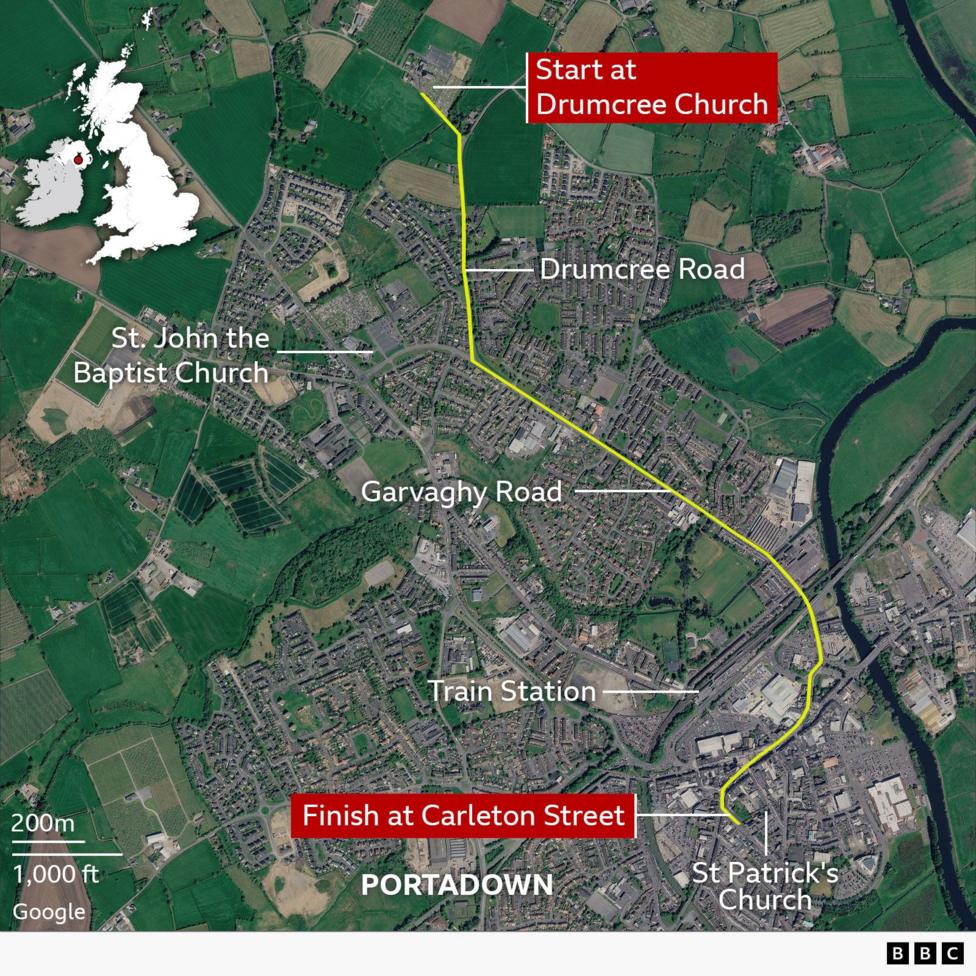
In September 2026, the Parades Commission determined that the march could proceed on 27 September with restrictions in place after its original decision to stop the march was overturned in court. On that morning, approximately 1,000 people—including nationalist politicians—blocked the road, preventing Orangemen from marching from Drumcree Church a mile to the west.
Following that initial blockade, the Orange Order made repeated attempts to walk the route, but police halted each effort. Residents maintained a constant presence on the Garvaghy Road until 9 October, when the Northern Ireland Secretary Sir Chris Bryant banned the parade following advice from the PSNI chief constable. The Orange Order's planned return parade was postponed after the dispute escalated; the latest timeline indicates it was the first time the march did not proceed up to the police barrier, according to the Irish News.
An Orange Order challenge to Sir Chris Bryant's decision was delayed after Northern Ireland's police chief Jon Boutcher was added to the case. Belfast's High Court heard that the case is being brought against both Boutcher and Sir Chris Bryant.
On the same day, the Garvaghy Road residents failed in a bid to challenge the Parades Commission's decision to allow the Drumcree parade to walk down the predominantly nationalist road. The Court of Appeal judges confined their ruling to the lawfulness of the decision, stating it was not determining whether the march should occur. Lady Chief Justice Dame Siobhan Keegan noted that the ruling was decided before Sir Chris Bryant banned the parade.