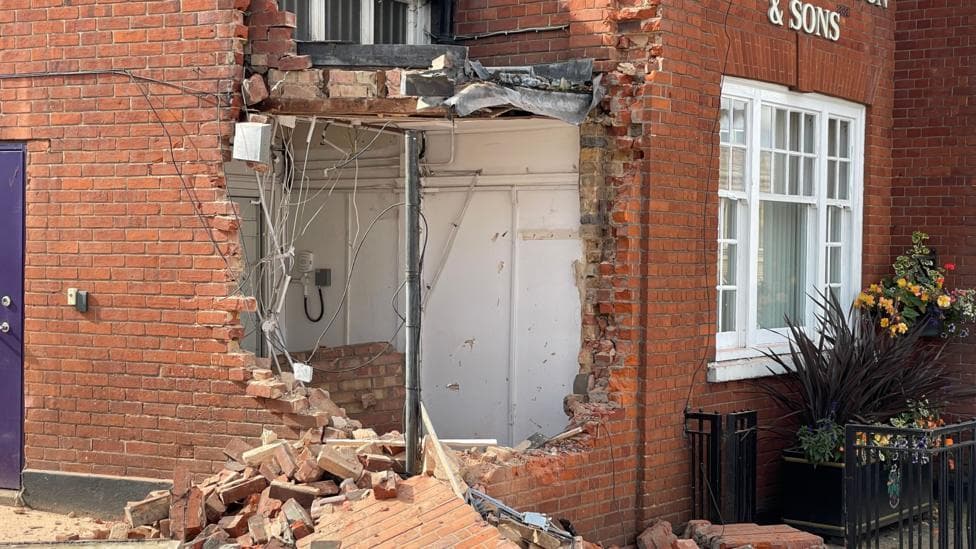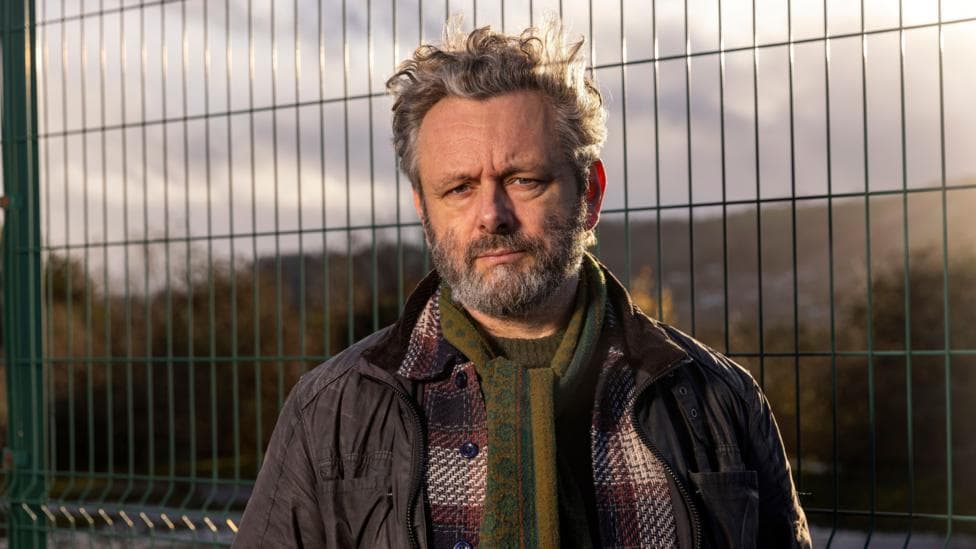
Michael Sheen has stated that Wales' first minister declined an invitation to meet and discuss allegations that communities have suffered poisoning from decades of exposure to toxic waste dumps. The Welsh actor had extended the offer to Rhun ap Iorwerth ahead of a documentary examining widespread chemical contamination across Wales, but according to Sheen, the invitation was rebuffed.
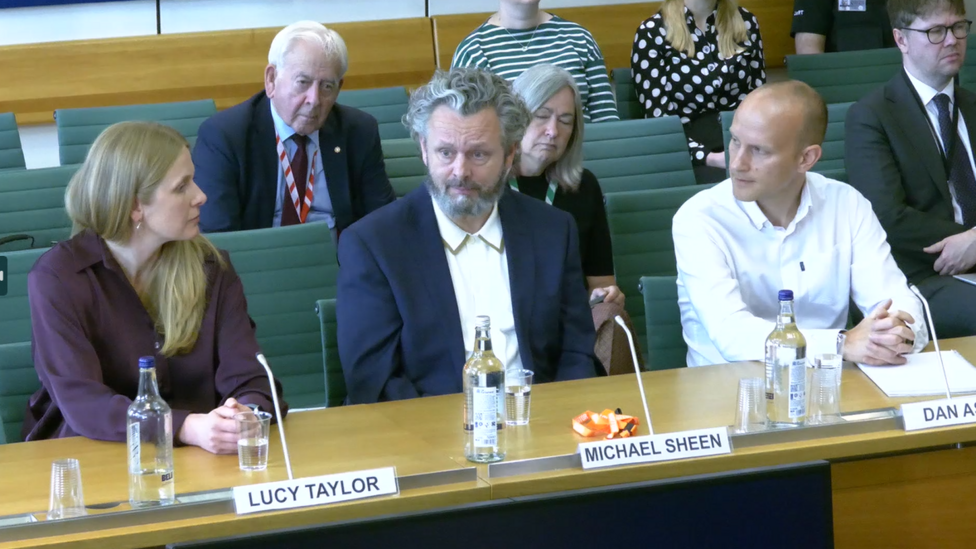
On 10 September 2026, Sheen appeared before the Welsh Affairs Select Committee in Parliament, where he urged MPs to support a national testing programme for historic toxic dumps to ensure sites are safe. His testimony followed the discovery of high levels of cancer-causing chemicals known as PCBs in soil samples and in the blood of residents living near sites connected to chemical giant Monsanto.
However, according to a Welsh news outlet, the first minister is now "working to arrange a suitable date" for a meeting with Sheen following the initial rejection of his offer.
What prompted Sheen's documentary investigation?
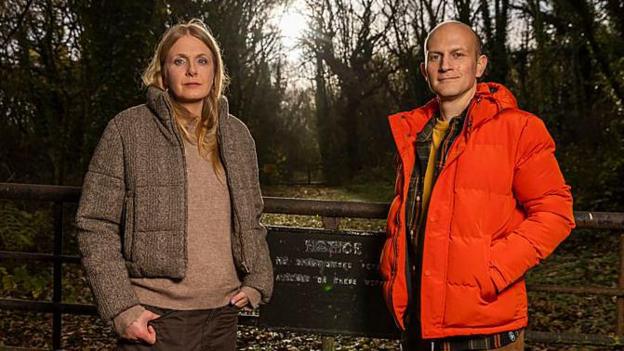
Sheen had interviewed farming consultant and campaigner Douglas Gowan shortly before Gowan's death. Gowan had spent decades warning that communities faced risks from toxic chemicals. The actor subsequently partnered with investigative journalists Lucy Taylor and Dan Ashby, who had inherited all of Gowan's documents and research. Together, they created the documentary series examining Monsanto's alleged dumping practices.
The documentary began broadcasting on 17 August 2026 on BBC Two, BBC One Wales and BBC . The series is based on Gowan's claims that people in Wales were poisoned by decades of PCB dumping, a class of carcinogen sometimes called the "godfather of forever chemicals."
During filming, Sheen discovered something deeply troubling: he found toxic forever chemicals in his own blood while making the series.
What did the investigation uncover?
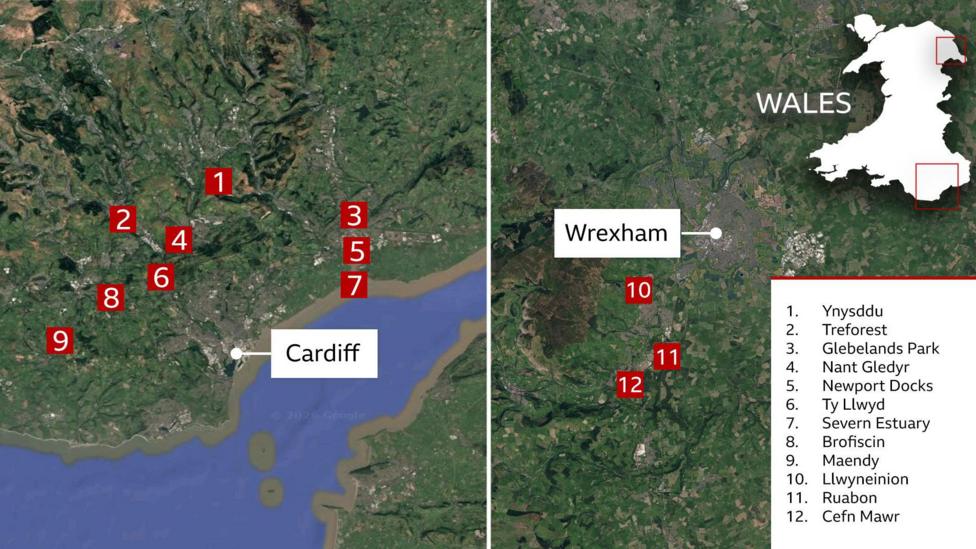
The team tested 14 sites in Wales and north-west England where Monsanto was believed to have dumped PCBs, and found elevated levels at all but one. Taylor told the committee that one sample was so contaminated that
if you touch it it would be dangerous for health. She added that
the scientists told us if a dog ran through a puddle the dog could die because of the levels of the chemicals in the soil.
The testing focused on public land around former landfill or industrial sites rather than fenced-off areas.
We're talking about chemicals leaching out of those sites... [onto] public footpaths, public woodlands, sports fields and roads, Taylor explained.
Blood tests were conducted on a small number of local residents, two of whom showed PCB levels higher than the average recorded in a separate study in the United States. One participant was Michael Phillips, who appeared in the documentary recalling how he had played with friends at one of Britain's most notorious dumpsites as a child—Llwyneinion lagoon in Wrexham. Decades later, several of those childhood friends and Phillips himself developed rare cancers, which they believe may be linked to their exposure.
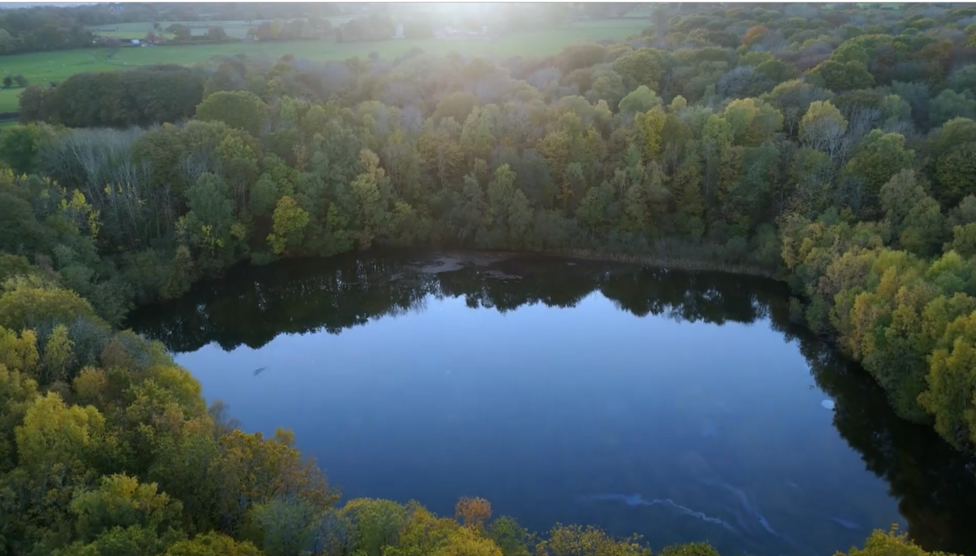
One episode of the series focused on the Llwyneinion Acid Tar Lagoon at Ruabon, where an estimated 1,100 barrels of chemical waste were historically dumped. Investigative journalist Dan Ashby called the lagoon
a shame on Britainand said it was
outrageousthat it remained in place.

How extensive is the contamination problem?
Scientists now describe the documentary's findings as only
the tip of the iceberg, with experts estimating there are approximately 20,000 high-concern sites across the UK. A Natural Resources Wales survey conducted in 2015 identified more than 9,000 potential sites requiring further investigation, suggesting the scale of the problem far exceeds what the documentary examined.
The documentary explored claims that thousands of tonnes of PCBs were dumped in Wales and north-west England. PCBs were once widely used in products ranging from lipstick to white goods because they were non-flammable and resistant to breakdown. However, they were later classified as carcinogenic, banned worldwide, and are now recognised as the first "forever chemicals"—substances that accumulate in the environment and threaten both wildlife and human health.
What are the barriers to cleaning up contaminated sites?
Sheen told the committee that those responsible for the original dumping appear to have escaped accountability.
The people who are responsible for doing this in the first place seem to have got away from it, they seem to be protected and buffered and inured, he said. This has created
a sort of stand-off, with local councils
terrified of making a judgementabout whether land is contaminated, since doing so would obligate them to fund expensive remediation that could bankrupt them.
Ashby noted that the United States has taken a different approach.
The USA is digging up and cleaning up these sites, he told the committee, and
seeing PCB levels in the environment falling as a result.
Sheen called for national, or ideally multinational, funding to support thorough testing and clean-ups.
The burden has to be taken off the councils, he insisted.
What is the government's response?
After the hearing, Welsh Affairs Committee chair Ruth Jones described the documentary's findings as
disturbingand highlighted confusion about which level of government bears responsibility for testing.
We've already written to the new secretary state for Wales asking him about the testing - and the response we got back from him was 'well it's not our responsibility', she said.
Well, to be honest, the committee doesn't care who's responsibility is is - at the moment we seem to be falling between stools - is it UK-wide testing, is it Welsh government testing? We don't care, we just want the testing to happen.
The Welsh government stated that addressing contaminated land is
a key priorityand said it would develop a strategy to
progressively restore post-industrial land so that communities are no longer exposed to potential risks. A spokesperson added that this would include
strengthening the 'polluter pays principle' while we continue to press for environmental justice by raising the importance of seeking UK government funding direct with the UK Treasury. The government indicated this funding should support
our joint efforts to address the legacy of Wales' industrial past through restoring coal tips and remediation of contaminated land.
Eastman Chemical Company, which is responsible for Monsanto's legacy production, was asked to comment but did not respond to the inquiry.
What happens next?
The Welsh government confirmed it is working to arrange a meeting between the first minister and Michael Sheen at the earliest opportunity. The immediate next step involves further parliamentary scrutiny, with the Welsh Affairs Committee continuing to examine the issue following Sheen's evidence session on 10 September 2026.
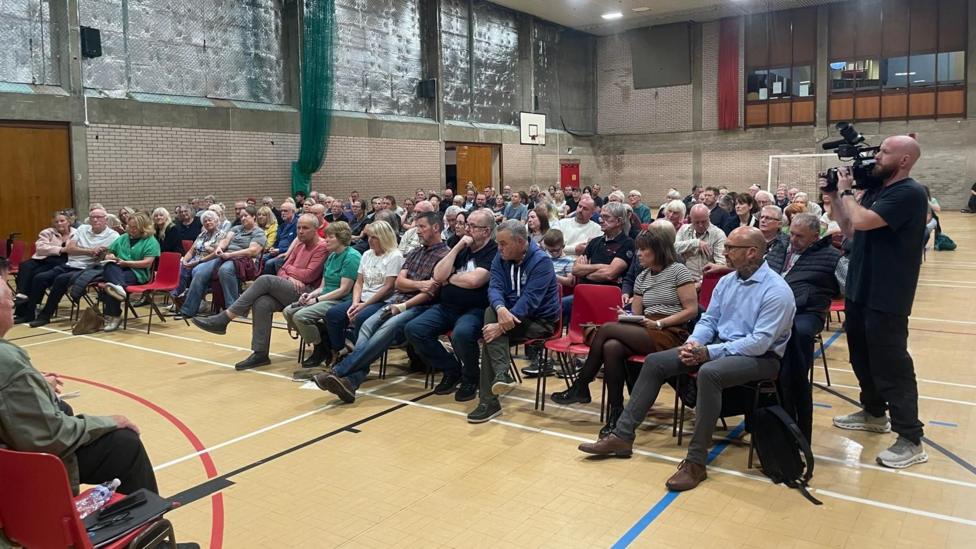
Community councillor Katie Witherden organised a public meeting in Acrefair, Wrexham, close to the former Monsanto works, which drew around 160 attendees. The community has called for
answersand
thorough testing of all the suspected sites. Witherden stated:
Until that's done there's a risk that future generations will be poisoned by this without ever knowing and I'm not willing to accept that.
Key Facts
- Michael Sheen's documentary investigation identified elevated PCB levels at 13 of 14 tested sites in Wales and north-west England, with scientists describing the findings as only a fraction of Britain's estimated 20,000 high-concern contaminated sites.
- PCBs are classified as carcinogenic "forever chemicals" that accumulate in the environment; residents living near dumpsites have developed rare cancers believed to be linked to their exposure.
- Local councils face financial barriers to remediation, as identifying contaminated land obligates them to fund expensive clean-ups that could bankrupt them without national or multinational funding support.
- Confusion persists about whether UK or Welsh government bears responsibility for testing, though the Welsh Affairs Committee has stated it does not care which level of government acts—only that testing occurs.
- The Welsh government is now arranging a meeting between the first minister and Sheen to discuss the contamination crisis and potential solutions.