

A woman who survived a stranger rape has appealed to Scottish politicians to consider victims before pressing ahead with plans that would let hundreds of prisoners, including her own attacker, leave jail early. Katie Johnston was attacked by Alasdair McDonald in Aberdeen city centre in 2016, an assault so severe that the sentencing judge described him as a "faceless, violent and predatory rapist" before jailing him for 10 years. Under proposals now being consulted on by the Scottish government, long-term prisoners such as McDonald would in future be released automatically once they have served two-thirds of their sentence.
Ministers say the change is necessary because Scotland's prisons are dangerously overcrowded, but organisations that support victims want sexual offences and domestic abuse convictions carved out of any new scheme.
McDonald, now 59, is close to finishing his sentence and will remain under supervision for three years once he is freed. That timing means he will already be out of prison before any new rules take effect, but Katie says the idea of automatic early release for offenders like him still troubles her deeply.

Katie explained that surviving an attack is only the beginning of an ordeal that continues through police reporting and the court process, and that a prison sentence should give victims space to recover.
"Victims go through the ordeal of actually getting attacked and then you have to go through the ordeal of the legal process, the courts, reporting it to the police. Once the person is sentenced, I feel like the prison sentence is a time for the victim to recover and go through therapy. At least you know the person who has done something bad can't harm you or harm others."
She argued that shortening sentences to ease prison overcrowding effectively punishes victims a second time.
"We've not done anything wrong - it's not our fault that the prisons are full. I don't feel like the victims should be punished again just because they can't hold prisoners for their full sentence."
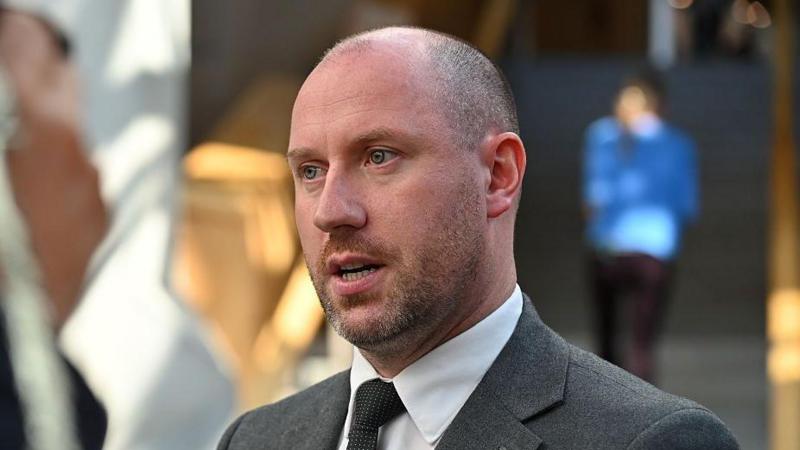
Justice Secretary Neil Gray responded directly to Katie's experience, saying the reform is not solely about relieving pressure on prison capacity.
"My heart goes out to Katie in terms of what she has been through and I don't diminish that in any way. This is not just about taking forward a set of proposals in order to deal with a prison population issue. It's also about looking at how we manage our offenders, how we manage and prevent re-offending happening so that we can prevent people becoming victims in the first place."
What exactly is the Scottish government proposing?
Shortly before the summer recess, the Scottish government opened a consultation on a package of measures intended to bring about a lasting reduction in the prison population. The most contentious element would restore automatic release for long-term prisoners serving four years or more once they reach the two-thirds point of their sentence, reversing a policy shift made in February 2016 under Nicola Sturgeon's SNP administration. Since that change, prisoners denied parole have only been released once six months remained on their sentence.
Gray said returning to the two-thirds threshold would help offenders reintegrate into their communities, regardless of the severity of their crimes, as long as they are not subject to whole-life orders.
"This is about managing how we are releasing individuals back into the community, regardless of the heinous or horrific crime that they may have committed. They are going to be released back into society. We're not talking about whole life orders. We're talking about determinate sentences."
Long-term prisoners covered by the proposals include people convicted of culpable homicide, rape, attempted murder, child abuse, drug trafficking and serious organised crime. Officials estimate that at least 630 inmates would have walked free immediately had the rules already been in place in February 2026. Those serving life sentences or orders for lifelong restriction, along with convicted murderers, would remain excluded.
This is not the first attempt at such a reform - a similar proposal was shelved in 2024 after strong opposition, though the current plan applies to a broader group of prisoners. Scotland's prison population hit a record 8,600 in May, some 800 above capacity, even after 1,400 prisoners serving under four years were released early. This week the total stood at 8,500, including 3,369 long-term prisoners - the first time they have outnumbered short-term prisoners - with more than 40% holding at least one sexual offence conviction.

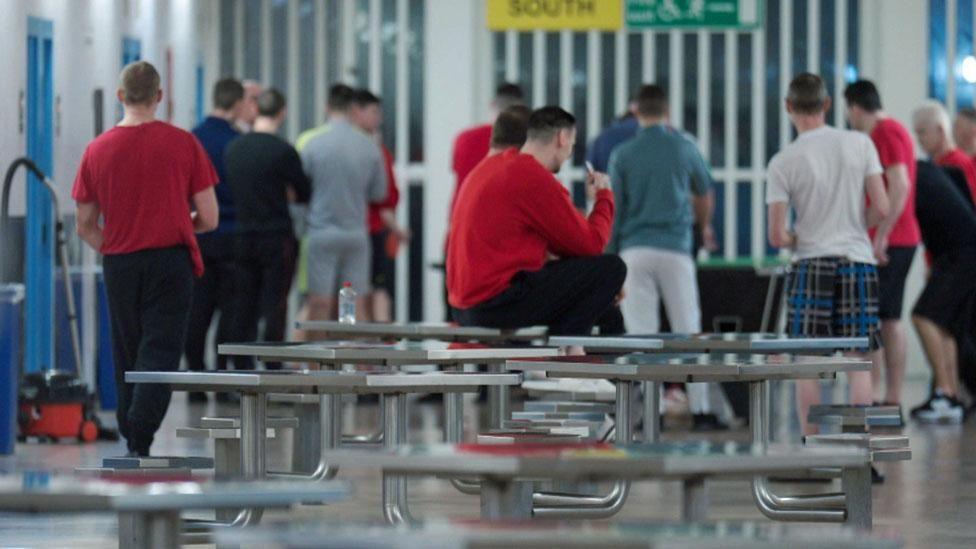
The rise is being driven by longer sentences and a growing number of long-term prisoners, with the Crown Office projected to send more than 2,000 cases to the High Court this year, over double the figure from two years earlier. That increase is linked partly to investigations into historical sex abuse and reforms to evidence rules in rape trials, though not every case will end in conviction. Alongside the release proposals, the government is seeking to cut the number of short-term prisoners and expand community payback orders.
How does this compare with the situation in England and Wales?
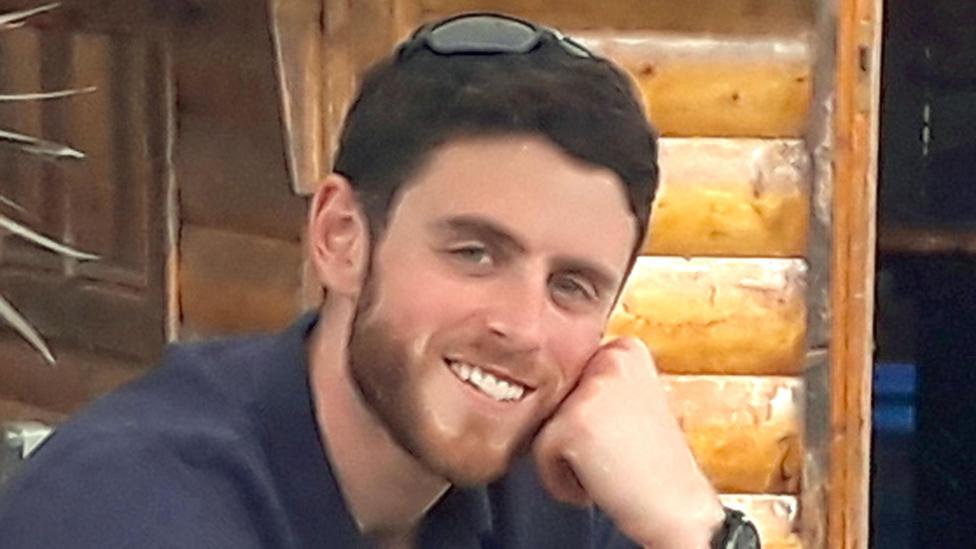
Scotland's prison capacity crisis mirrors problems south of the border, where the UK government has faced sustained criticism over early-release arrangements linked to the killers of PC Andrew Harper. PC Harper, 28, died in 2019 after being dragged behind a getaway car driven by three teenagers fleeing the scene of a quad bike theft in Berkshire.
The Westminster scheme has been repeatedly revised amid backlash. According to a national broadcaster's report, the UK government has since excluded rapists and serious child sex offenders from the England and Wales early-release scheme following pressure from victims and survivors, though the change applies south of the border rather than in Scotland. Under the original version of that scheme, offenders convicted of serious offences such as rape, manslaughter and grievous bodily harm could be freed halfway through their sentences, while some less serious offenders qualified after serving just a third, according to the Telegraph. The same report noted that the Ministry of Justice had written to 8,711 victims of serious sexual or violent crimes to warn them their attackers could be released early from September 2026.
Separately, a minister was found to have wrongly claimed on Times Radio that a support helpline for victims facing an offender's early release was already running, when in fact it was not yet operational, according to the Telegraph. Victims' commissioners had also warned ministers that the legislation contained no exemptions for serious crimes, domestic abuse or terrorism offences, and criticised the absence of adequate safeguards, according to reporting on the safeguards concerns.
Our earlier coverage detailed how rapists and serious child sex offenders were formally barred from the England and Wales early-release scheme when it resumed in October following a pause and review. However, Kemi Badenoch subsequently warned that some child sex offenders could still qualify for early release under the revised rules. PC Harper's mother told our reporters she was "bitterly disappointed" that domestic abusers and killers remained eligible for early release even after the scheme was revised, and Prime Minister Andy Burnham later agreed to review the plan to release around 6,000 offenders early following sustained pressure from victims' groups and the Harper family.
Why are victims' organisations concerned about the Scottish plan?
Campaigners fear that, as with the English and Welsh scheme, sex offenders and domestic abusers will not be exempted from the Scottish proposals. Victim Support Scotland's interim chief executive Debbie Adams questioned whether a blanket approach was appropriate.
"This might be too much of a blunt object. Are there crimes where there should be exemptions, or where further assessments need to be made, for example for targeted crimes like domestic abuse?"
Marsha Scott, chief executive of Scottish Women's Aid, argued that domestic abusers should be automatically exempted unless risk-assessment and community safety measures are substantially strengthened.
"Unless we're going to greatly improve our risk-assessment process and the safety measures that are in place in the community when we release them, they should be automatically exempted."
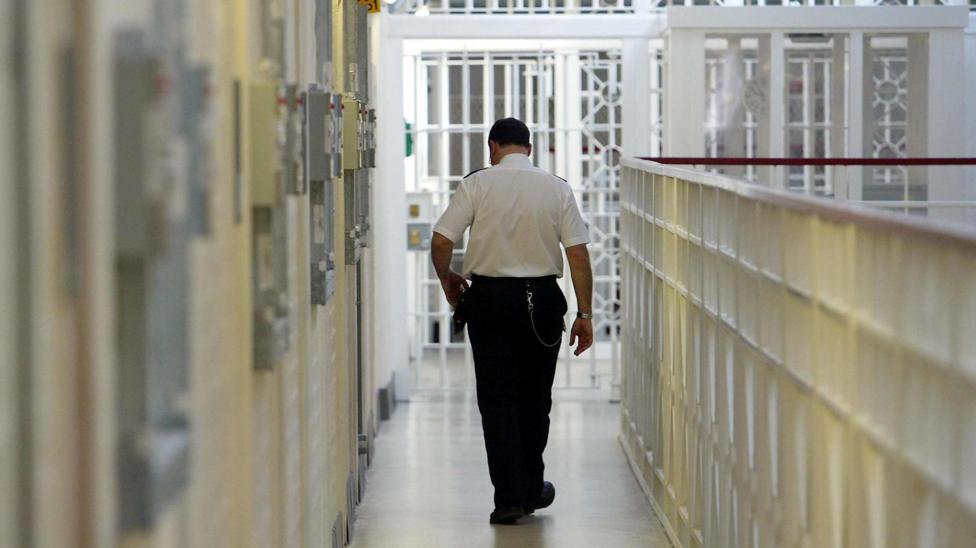
Social Work Scotland, the profession's leadership body, has given broad support to the proposals provided sufficient resources are made available. Its justice policy spokesman, Euan Lloyd, said the change could only be implemented safely with proper funding.
"It wouldn't be possible to do it safely unless we get the adequate resources to do the job. Having said that, justice social workers are highly skilled, highly experienced in managing complex, high-risk individuals in the community and as long as we're resourced to do that, I've got no doubt the profession will be able to do so."
The Scottish Prison Service has welcomed the debate the consultation has prompted, describing the current population level as unsustainable and a risk to both prisoners and staff, while limiting rehabilitation efforts.
"We welcome the Scottish government's consultation and the wider discussion it has prompted about what is needed to create a safe and sustainable prison population. This is essential to ensure we can fully support those in our care, reduce the risk of reoffending, and help build the safer communities we all want to see."
What happens next?
The Scottish government's consultation on the proposals is due to close on 20 August 2026, after which ministers will decide whether to bring formal legislation before Holyrood. In England and Wales, where a comparable scheme is already further advanced, changes are being phased in from September 2026, with different sentence-length thresholds taking effect at different times, according to a national broadcaster's report. Under that phased timetable, prisoners serving 12 years or more will not become eligible for early release until June 2027. Survivors and campaigners south of the border have also called for a clear legal duty requiring authorities to notify victims with adequate notice before any offender is released, a demand highlighted in earlier coverage of victims' notification concerns.
- Katie Johnston was raped by Alasdair McDonald in Aberdeen in 2016; he was jailed for 10 years and will be supervised for three further years after release.
- The Scottish government's consultation proposes automatic release for long-term prisoners at two-thirds of sentence, closing on 20 August 2026.
- Scotland's prison population reached a record 8,600 in May 2026, with 3,369 long-term prisoners and over 40% holding a sexual offence conviction.
- England and Wales excluded rapists and serious child sex offenders from a similar scheme after backlash, while 8,711 victims were warned their attackers could be freed early from September.
- Prisoners serving 12 years or more in England and Wales will not be eligible for early release under the phased scheme until June 2027.


