

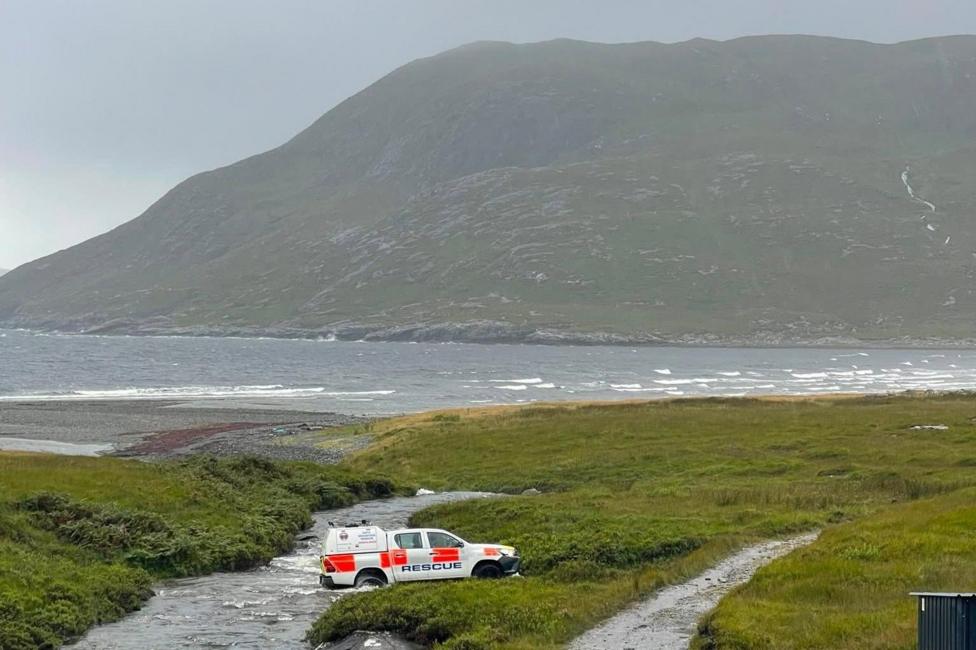
Skye Mountain Rescue Team assisted 20 walkers across 20 separate incidents during a single 13-hour stretch on Friday, calling it one of the busiest days the volunteer service can recall. Callouts ran from 07:00 to 20:00 along the Skye Trail, with rescuers at times juggling multiple emergencies simultaneously while every available team member was deployed. The team has since issued a public warning urging people to reconsider how they prepare for and approach the route.
According to a report from STV News, the team described the volume of callouts that day as "one of the busiest days" in its history, with several incidents unfolding across the trail at the same time.
What caused so many rescues in one day?
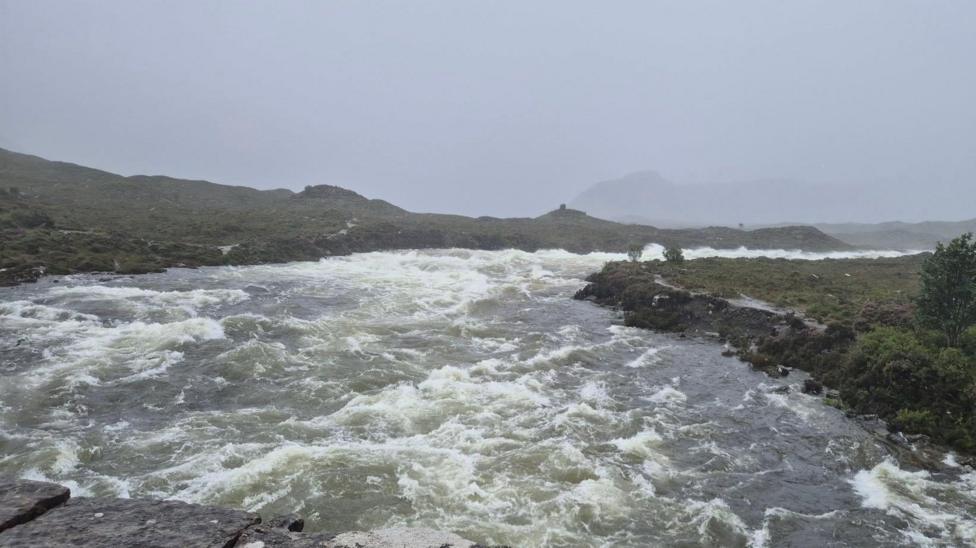
The conditions on Skye that Friday had been forecast in advance and were, in the team's words, difficult but not unusual for the island. A spokesperson for Skye MRT said the weather was "particularly poor" yet "not exceptional," indicating that the sheer number of incidents was not simply down to a freak storm.
Skye MRT said its job is to assist anyone in difficulty without passing judgement, but the scale of Friday's response prompted the team to ask a bigger question about the route itself.
"When 20 people undertaking the same route require assistance in separate incidents on the same day, we think it is reasonable to ask whether there is a wider message in that."
Why do walkers keep getting into trouble on the trail?
Rescuers say a familiar set of mistakes recurs: walkers underestimate how tough and time-consuming the terrain is, lean too heavily on phone apps for navigation, or press on when turning back would be the safer option. Per the STV News report, the charity noted that these problems are not confined to the Skye Trail and have surfaced repeatedly in wider hillwalking safety guidance over time.

The spokesperson suggested that part of the difficulty may lie in how the trail is presented to the public, questioning whether its very name creates a misleading impression.
"The word 'trail' can suggest a defined or established route similar to other long-distance trails."
"The reality can be very different."
"This is a journey through serious, remote and challenging terrain, with sections where there may be no obvious path to follow."
Are digital route apps part of the problem?
Skye MRT pointed to a growing trend of visitors tackling the trail as part of organised or self-guided walking holidays, often following a route pre-loaded onto a hiking app or GPS device. The team warned that this can create a false sense of security that does not match conditions on the ground.
"A clear line on a screen can give a sense of certainty that simply doesn't exist on the ground."
"Being provided with a route does not remove the need to be able to navigate independently, understand the terrain, assess the weather and make your own decisions about whether it is safe to continue."
The team also raised concerns about walkers being drawn to the trail through commercial promotion or organised holiday packages, arguing that this kind of encouragement can add to the pressure to keep going even when conditions turn against them.
What should walkers do to stay safe?
Rescuers advise that anyone tackling the trail should assume technology can fail and carry the skills to navigate with a traditional map and compass as a backup. Following the incident, the charity reiterated that walkers should "know your route, know your escape options and have a Plan B," according to the STV News report.
Beyond knowing the route itself, the team stressed the importance of having a backup plan in case conditions deteriorate or a section proves too difficult. It also urged people to consult a specialist mountain forecast, such as the Mountain Weather Information Service (MWIS), rather than relying on general weather apps.
The volunteer service was careful to note that its comments were not aimed at criticising the individuals it helped on Friday, but were intended to draw attention to a broader pattern it believes deserves scrutiny.
"Perhaps there is a wider conversation to be had about how the Skye Trail is named, described, promoted and sold, as well as how those undertaking it are prepared and supported."
"If expectations are not matching the reality people encounter on the ground, then we need to ask why."
How did the Skye Trail become so popular?
The route's rise in popularity has been linked to its appearance on a Scottish television adventure programme, where well-known walker Cameron McNeish documented his trek along its length. His journey began at the trail's most northerly point, Rubha Hunish, continued along the Trotternish Ridge and through the Cuillin hills, and concluded some 70 miles later at Broadford.
Other recent incidents highlight the wider pressures facing Scotland's rescue and safety services this summer. In July 2026, two separate water rescues in a single afternoon saw a jet ski rider and rescue crews help stranded kayakers off Scotland's south coast, prompting renewed coastguard calls for thorough preparation before water activities. Separately, walkers on the West Highland Way were treated after falling ill from drinking untreated water from a burn near Conic Hill, underlining how outdoor safety messaging spans far beyond navigation alone.
Key Facts
- Skye Mountain Rescue Team helped 20 people in 20 separate incidents over 13 hours on Friday, from 07:00 to 20:00.
- The team described it as one of the busiest days in its history, with multiple simultaneous callouts.
- Weather that day was forecast, "particularly poor" but "not exceptional" for the island.
- Rescuers urged walkers to know their route, plan an escape option, and check specialist forecasts like MWIS.
- The Skye Trail spans roughly 70 miles, from Rubha Hunish to Broadford via the Trotternish Ridge and Cuillin hills.


