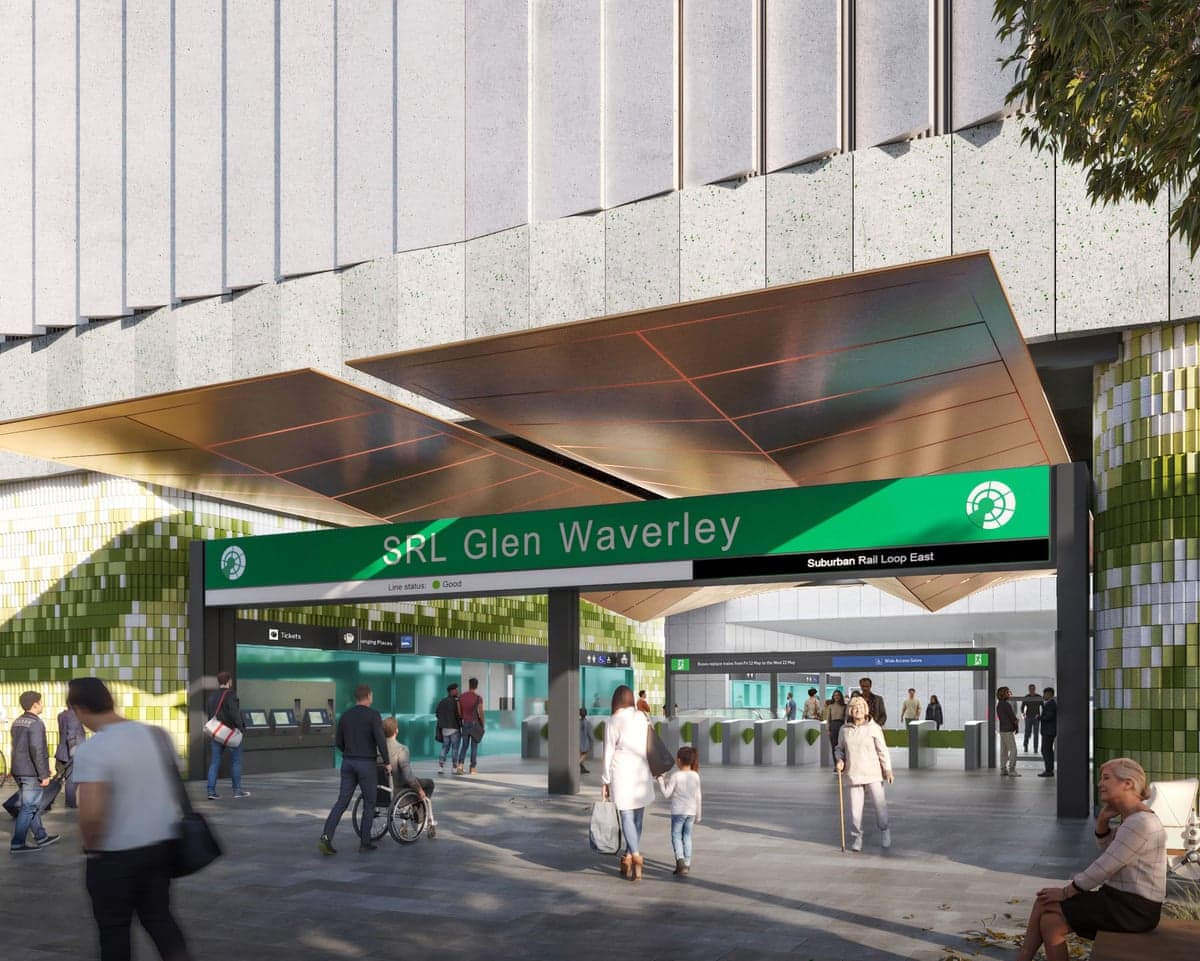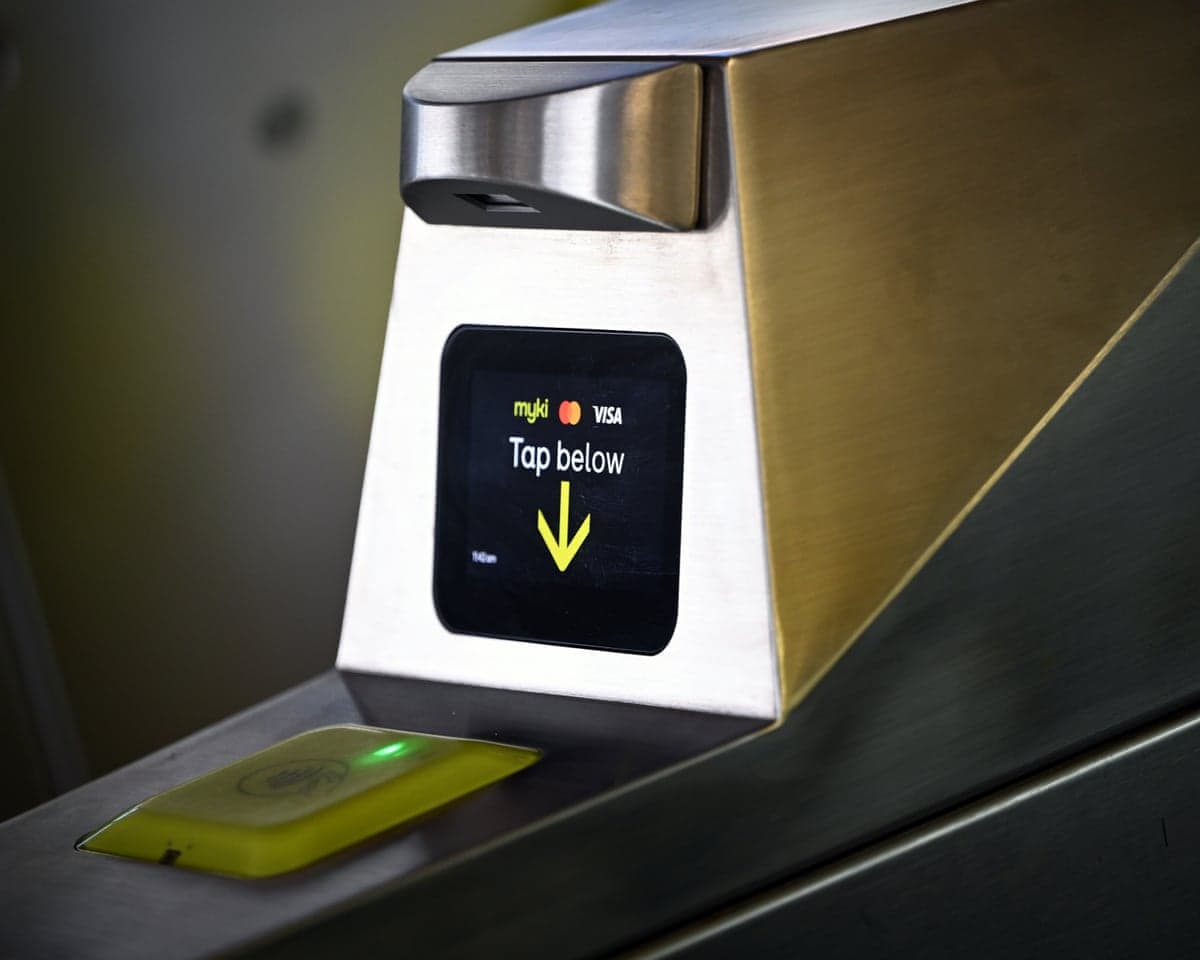
Victorian Premier Ben Carroll has announced the abolition of a 1% levy on public transport fares that the government introduced covertly to help fund the Suburban Rail Loop. The charge, which took effect on 1 January 2025, was layered on top of inflation-linked fare adjustments but was never disclosed to the public until an auditor-general's report in August 2026 exposed it.
Speaking outside parliament, Carroll committed to scrapping what officials called the "rail improvement charge." He acknowledged the lack of transparency surrounding its implementation and signalled his intention to reverse course, though formal abolition will require a cabinet process.

I am a premier who levels with Victorians, and I'm going to level with Victorians today. I will abolish the rail improvement charge. There'll be a proper cabinet process to come, but it's my intention and the treasurer's intention to abolish that charge. I'm a premier taking the state in a new direction. Victorians do deserve better public transport. They also deserve to know what their money is buying.
When pressed on when he first became aware of the levy, Carroll stated:
The way this charge was created and implemented, there was a lack of transparency. That is why today I'm announcing I will abolish it.
How much revenue did the hidden levy generate?
According to reports on the auditor-general's findings, the charge collected $6.2 million between its introduction in January 2025 and the end of February 2026. The levy was projected to raise approximately $8 billion over 37 years, with roughly $4.8 billion of that intended to flow toward the Suburban Rail Loop's eastern section. The auditor-general found that 60% of revenue was meant to support SRL East, yet the government and Transport Victoria did not disclose the levy in public communications about fare increases in 2025 and 2026, and it remained unannounced as of June 2026.
Why was the levy kept secret?
The charge was approved in August 2021 when Carroll held the public transport portfolio, but remained undisclosed for nearly five years. The government had previously described its SRL funding model as relying on other value-capture measures, but the fare surcharge was not listed among them. The auditor-general's report criticised the lack of transparency, noting that the government did not name the levy as one of its official value-capture methods for the project.
What happens next to the Suburban Rail Loop funding?
While the rail improvement charge will be abolished through a cabinet process, the government's broader infrastructure levy on new development remains part of the SRL value-capture framework and is scheduled to apply from 1 January 2027. Carroll's earlier commitment to the Suburban Rail Loop's first stage, announced in late August 2026, included $1 billion in scope savings, signalling the project will proceed despite the removal of the transport fare component.
Nepal floods: 34 Australians confirmed missing
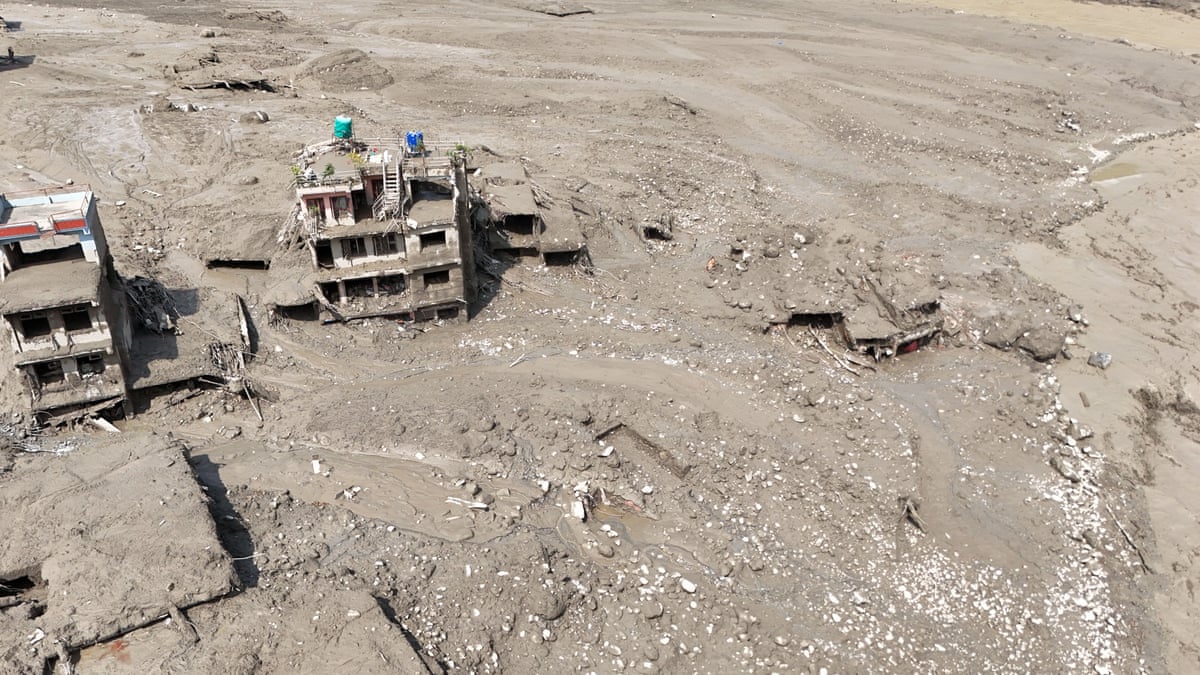
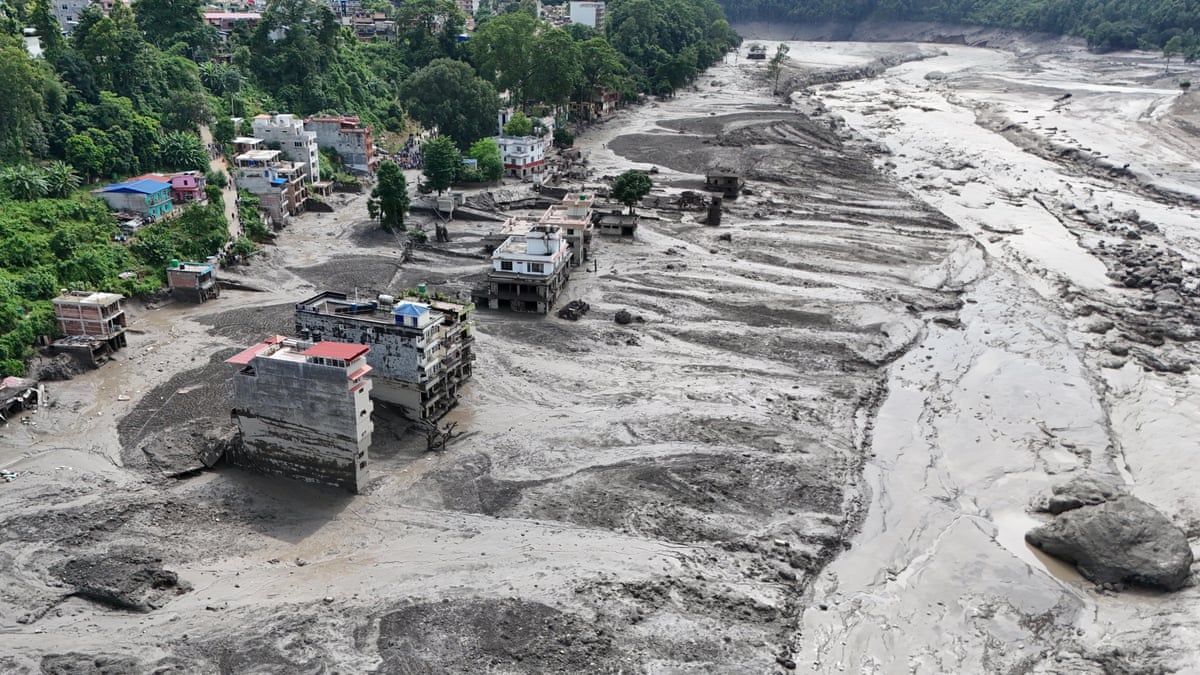
Prime Minister Anthony Albanese has confirmed that 34 Australians are missing following devastating flash floods in Nepal. Speaking at an event in Dubbo, Albanese acknowledged the scale of the disaster and the challenges facing rescue efforts in a developing nation with limited resources.
People would have seen some of the footage, which is a truly horrific event. At this point, there are 34 Australians who are missing. Nepal, you know, is a developing country, it doesn't have the resources that an event like that would have in Australia.
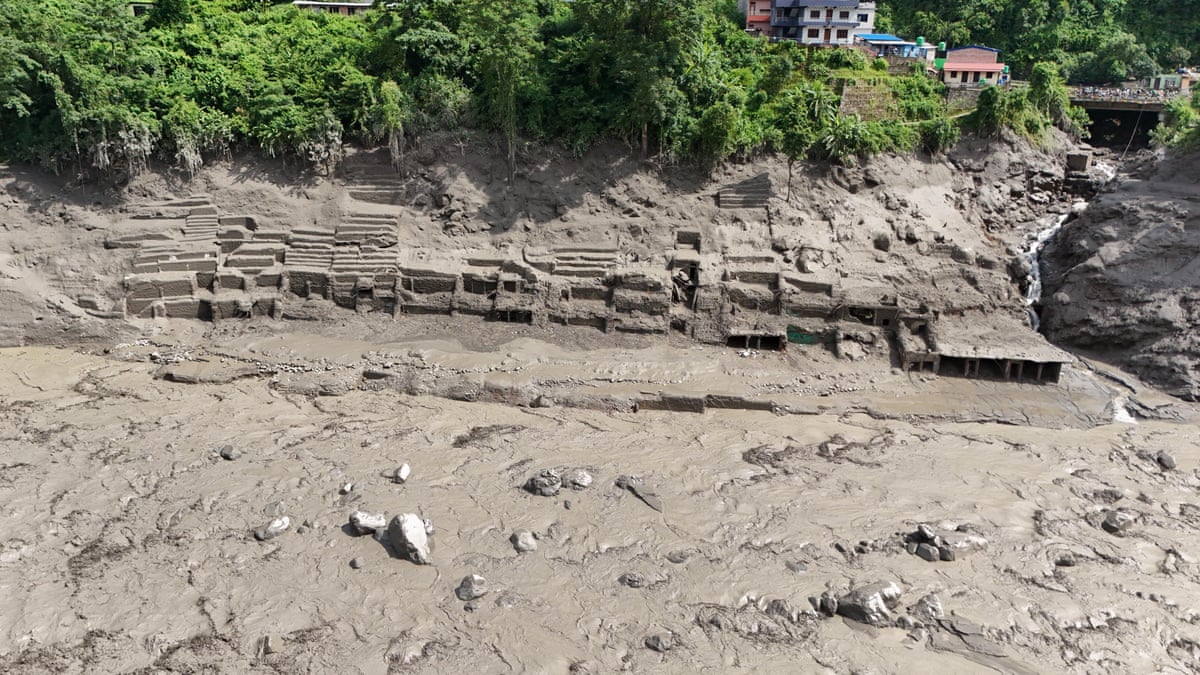
Nepal's embassy in Canberra is still verifying the exact number of Australians caught in the affected region. The embassy's second secretary, Saroj Paneru, explained that information is being collected from tourism agencies operating in the area.
The tourism industry in Nepal is working to collect information about anyone who was in the affected area. Once we have that data and all the details have been received, we will communicate all of this to the Australian government and the embassy in Kathmandu. We are now coordinating and collecting all the information about how many tourists and Australians were there.
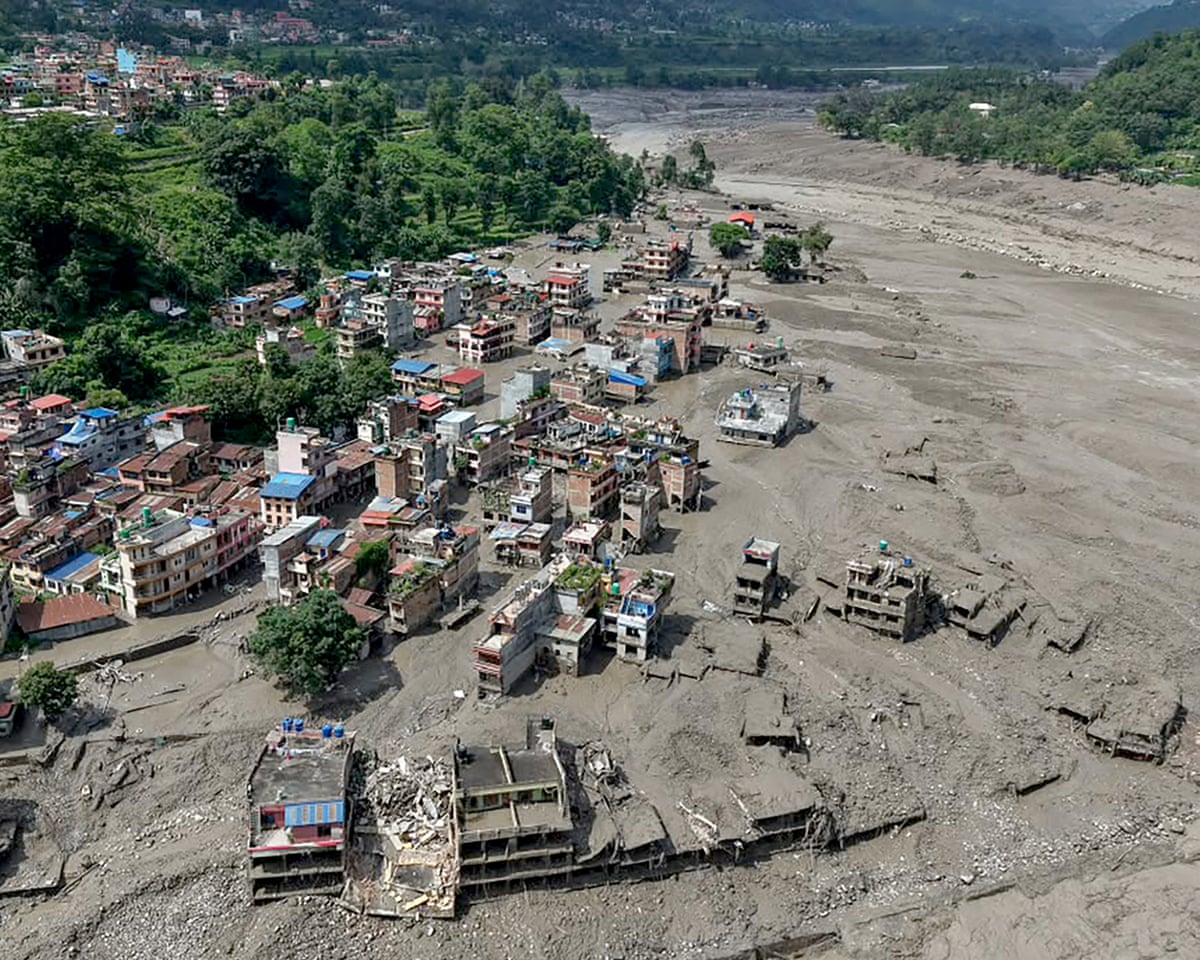
What support is Nepal requesting from Australia?
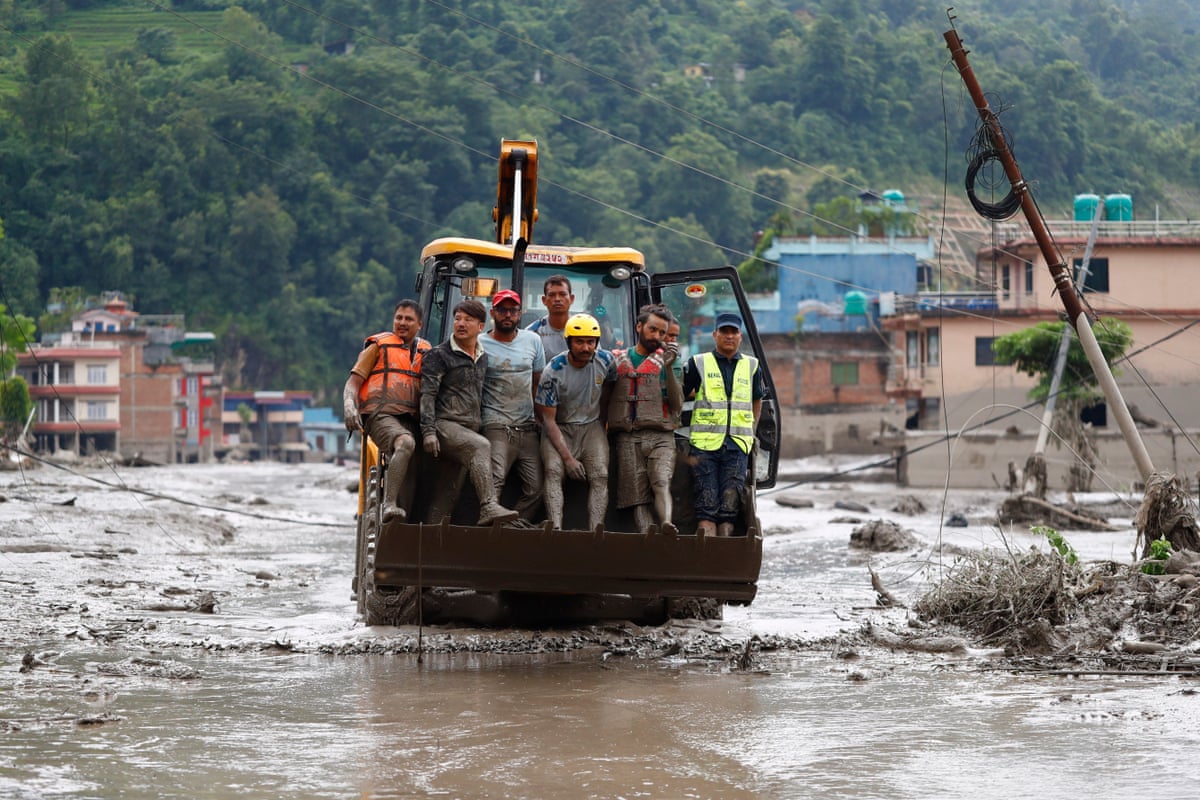
Nepal's embassy is preparing an urgent request to the Australian government for financial and technical assistance. Paneru indicated that Nepalese government officials are working around the clock to locate missing people and assist those displaced by the floods. The Nepal government is calculating the full extent of losses and damage and will be seeking international aid.
We are reaching out to the Australian government and hopefully they will provide assistance to us. We are in communication with them. First of all, we are just calculating the loss back home. After that, we will have all the details. Then we expect financial, technical and responsive support. We expect all this support in this difficult time for Nepal. We are hoping all international communities and everyone will be providing assistance to us in this very sad time.
How are Australian communities responding?
The Australian Nepalese Multicultural Centre (ANMC) in Victoria's north-western suburbs is holding a special prayer service for members affected by the disaster. A spokesperson for the centre expressed deep sadness over the loss of life and announced a prayer gathering on 27 August at 6:30 pm at the ANMC Temple.
Our thoughts and prayers are with everyone affected by this tragedy. We extend our heartfelt condolences to the families and loved ones of those who have lost their lives, and we pray for the safe rescue and return of those who are still missing. At this difficult time, [we] stand in solidarity with the affected communities, rescue teams and everyone supporting the ongoing response. May those who have lost their lives rest in peace, and may strength and hope be with all those affected.

Opposition leader Angus Taylor and Coalition foreign affairs spokesperson Ted O'Brien have also expressed concern about the floods and any Australians caught in the disaster. Taylor wrote on social media:
Our thoughts are with all those affected by the devastating flooding in Nepal and Tibet, including the families who have lost loved ones and those still waiting for news. We are also thinking of the Australians caught up in this disaster and their families here at home.
O'Brien stated:
News coming out of Nepal about horrific flash floods is devastating. My thoughts are with all those who have lost loved ones and those still missing. We are particularly concerned by reports that Australians are among those unaccounted for and our thoughts are with their families and friends during this incredibly difficult time.
Both politicians echoed government advice that Australians in the region should follow local authority guidance and contact the Department of Foreign Affairs' Consular Emergency Centre on 1300 555 135, or +61 2 6261 3305 from overseas.
Qantas profits decline as fuel costs surge
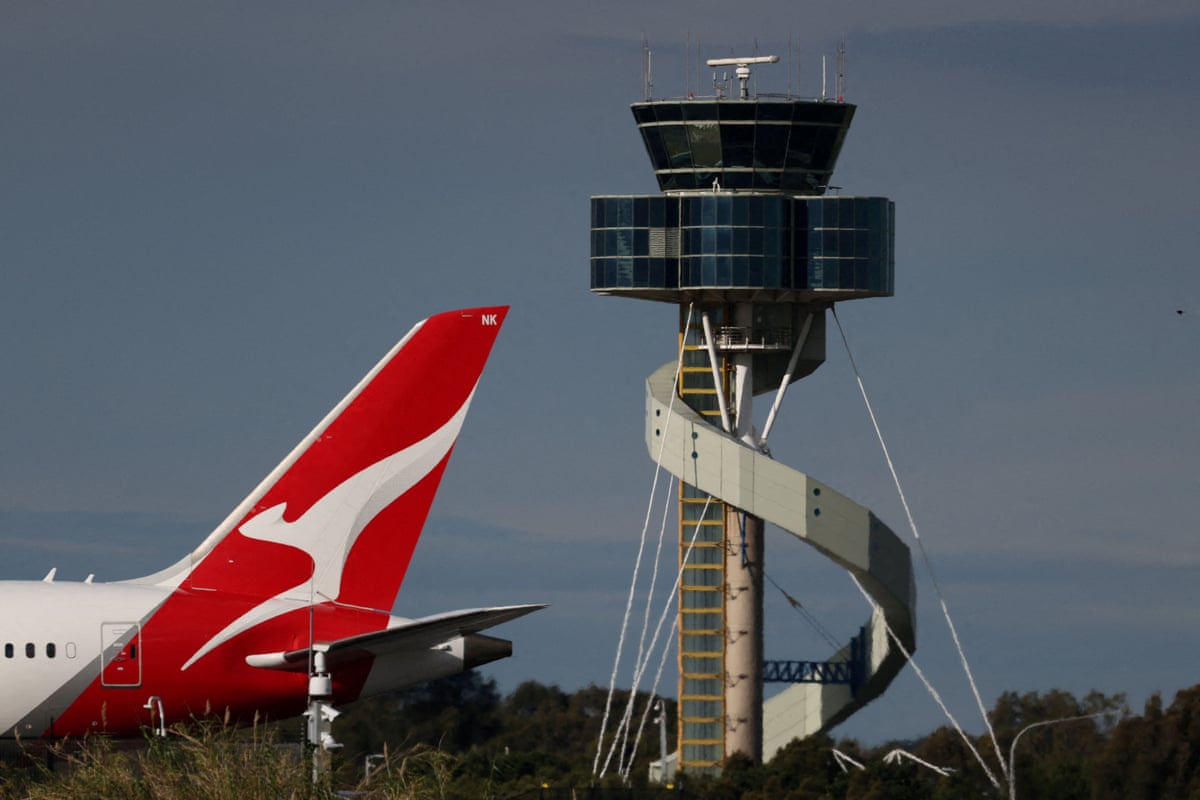
Qantas has reported pre-tax profits of $2.06 billion for the year to June, down $330 million from the previous year. The airline attributed the decline partly to rising jet fuel costs stemming from geopolitical tensions, with the US conflict involving Iran adding $610 million to its fuel bill. The net impact of the conflict on Qantas operations totalled $420 million for the financial year.
Domestic operations across Qantas and Jetstar generated combined underlying earnings of $1.44 billion. Unit revenue—the income per flight—increased 5% for the two carriers between March and June. While government and corporate customers reduced spending, leisure travellers and Western Australian resources businesses continued to support strong demand. Jetstar achieved an 11% revenue increase despite expanding capacity by only 4%, driven by price-conscious customers; half of Jetstar's domestic passengers paid under $150 per flight.
International flights contributed $650 million in underlying earnings, declining from the previous year due to elevated fuel costs. Qantas international revenue grew 8%, primarily from increased capacity, while Jetstar International expanded capacity by 11% and achieved a 14% revenue increase. The airline's loyalty scheme grew underlying earnings by 12% to $625 million, with active membership rising 6%. Uber emerged as the fastest-growing source of loyalty points.
GST deal with Western Australia risks breaking federal system, warns former Treasury chief
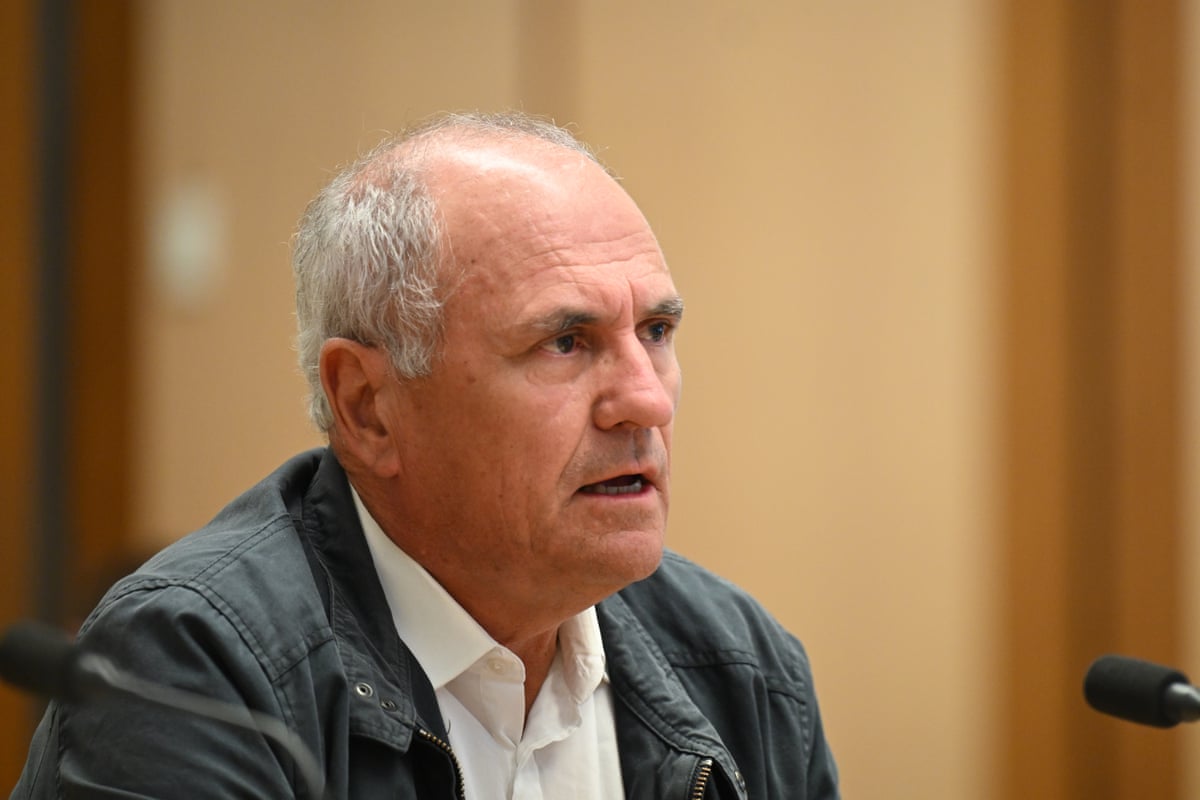
Ken Henry, the former Treasury secretary, has criticised the Morrison-era GST carve-out benefiting Western Australia as "stupid" and warned it threatens the integrity of Australia's horizontal fiscal equalisation system. His comments come amid ongoing tension following the Productivity Commission's interim report, which concluded the deal was a mistake and should be reversed. Western Australia has responded with strong opposition, and Prime Minister Albanese stated this week that no changes would be made to the agreement while he remains in office.
Speaking to RN Breakfast, Henry expressed alarm at the precedent set by allowing the nation's wealthiest state to secure additional federal funding through what he characterised as a "begging bowl" approach.
If a state, the wealthiest state in the nation, can come to Canberra with a begging bowl and get the rest of the country to put money into that begging bowl being held by the wealthiest people in the country, if that's how this system is going to work, then this system is going to fail. And one day this system is going to break.
Henry warned that without a robust system of fiscal equalisation, the Australian federation faces serious structural challenges.
Without a high-integrity system of fiscal equalisation, the Australian federation is going to face some pretty serious challenges.
Property market slows as sellers hold back listings
Australia's spring property season is shaping up to be unusually sluggish, with sellers retreating from a weak market and unsold homes accumulating. New property listings in the four weeks to 23 August were 8.2% below the five-year average, according to property analytics firm Cotality. Advertised stock levels remain elevated overall, indicating that homeowners are reluctant to add to an already crowded market, which is giving buyers more negotiating power.
Sydney is leading the downturn, with new listings 14% below the five-year average during the four-week period. Similar pullbacks were recorded across all capital cities except Adelaide, suggesting a nationwide hesitation among vendors to list properties in the current environment.
Tasmania datacentre approval signals national tensions over AI infrastructure
The day before Prime Minister Albanese secured agreement with states and territories to develop national datacentre standards, a small council in Tasmania voted to approve a major AI facility, though with evident reluctance. The George Town council voted 6-1 to approve Australian developer Firmus's plans to build a 288 megawatt datacentre at Long Reach, north of Launceston, but signalled discomfort with the decision.
The facility is planned on the former Gunns Pulp Mill site near the Tamar River and has faced strong community opposition. A petition against the centre gathered nearly 6,000 signatures, and more than 300 people submitted objections to the council application. The approval sets a marker for the broader national debate over datacentre development and AI infrastructure placement, as governments attempt to balance economic opportunity against community concerns and environmental considerations.