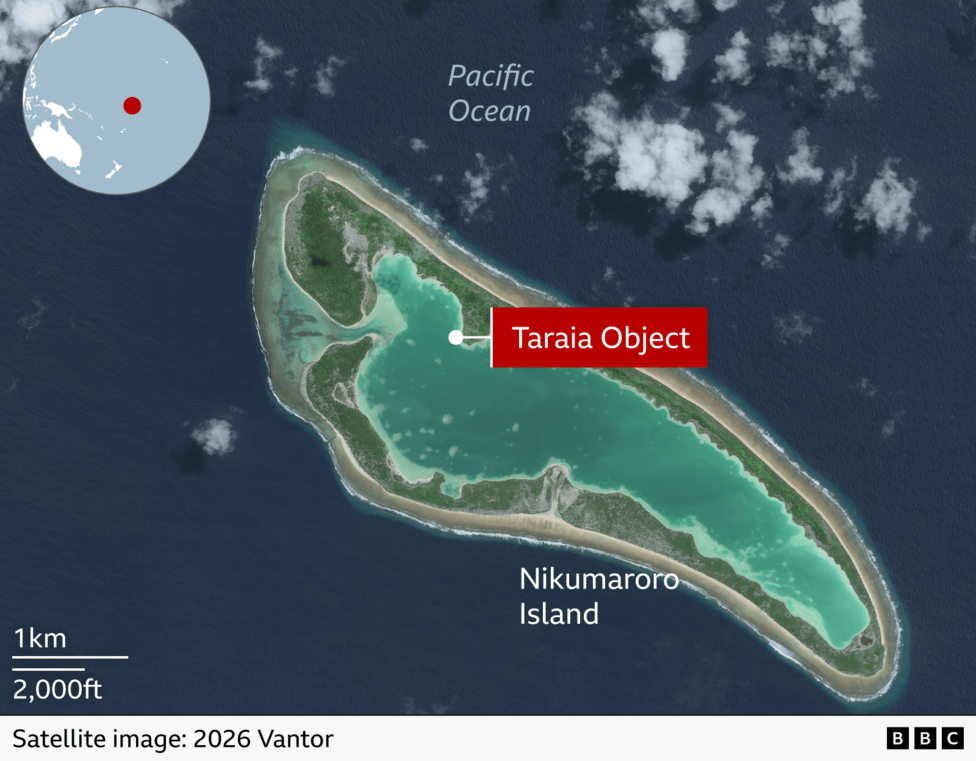
A research expedition has reached Nikumaroro Island in the Pacific Ocean to investigate potential wreckage from the aircraft of pioneering aviator Amelia Earhart, who disappeared in 1937 during an attempt to circumnavigate the globe. According to Purdue University, the team from the Archaeological Legacy Institute and Purdue arrived on Monday to begin a five-day search operation. The mission focuses on examining an underwater object known as the Taraia Object, which some researchers believe may be the remains of Earhart's plane.
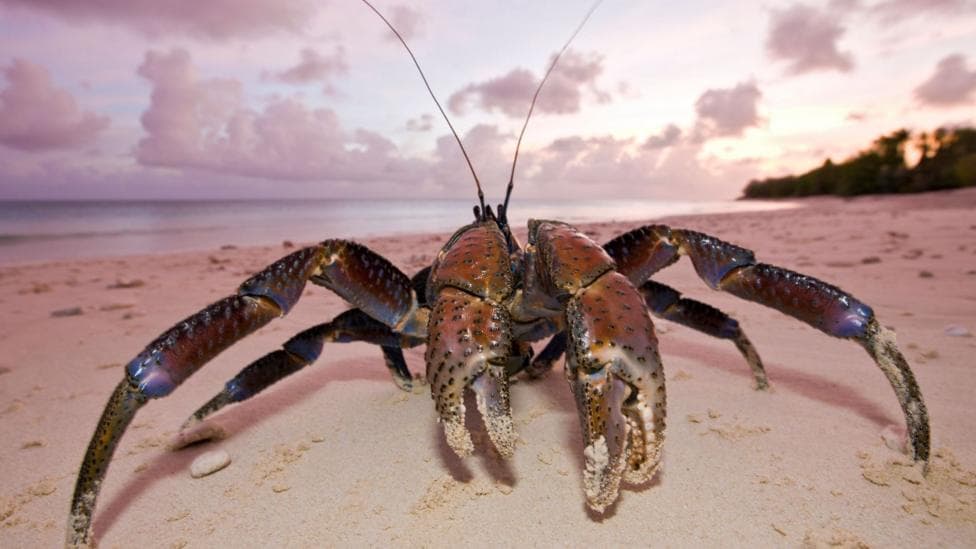
The expedition faces significant environmental obstacles. Giant coconut crabs, the world's largest land-dwelling crustaceans, inhabit the island and emerge at night to hunt. These creatures can weigh more than 4 kilograms, span up to one metre across their legs, and possess the strength to lift up to 28 kilograms. The research team will sleep aboard their vessel, the Marin Mainiku, each night rather than camp on shore due to the crabs' nocturnal activity and predatory behaviour. Additionally, the current El Niño climate phenomenon—the strongest ever recorded—threatens to disrupt fieldwork by limiting safe access to the island's shore.
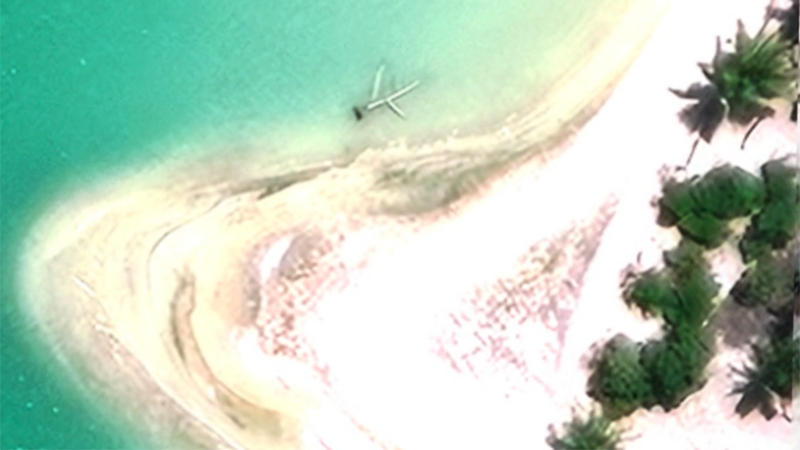
The Taraia Object was first identified in satellite imagery in 2020, sitting at the edge of a lagoon off Nikumaroro. Interestingly, Purdue researchers have noted that the object also appears in aerial photographs from 1938, suggesting it has remained in the same location for decades. While some believe the Taraia Object represents aircraft wreckage, sceptics have proposed alternative explanations, including the possibility that it is a collapsed tree.
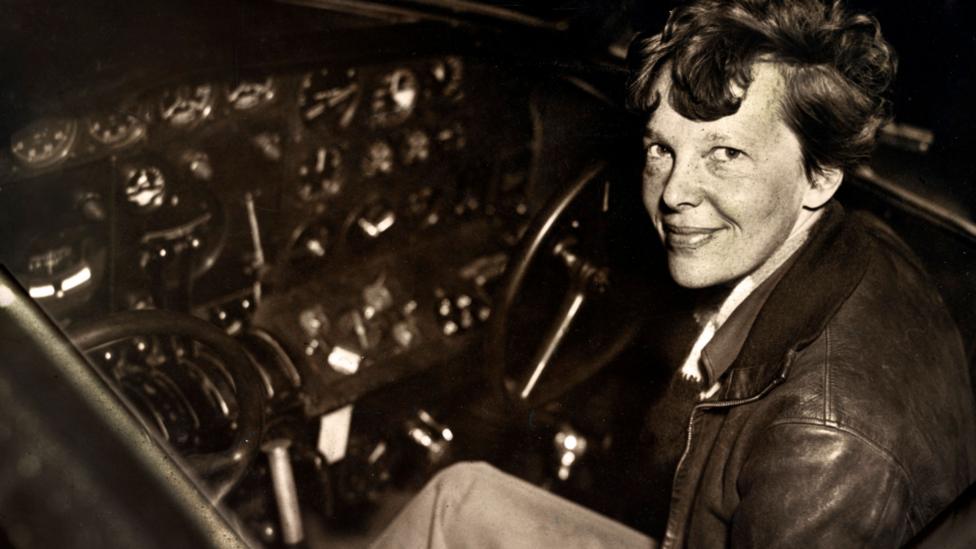
Earhart, an American aviation pioneer, was attempting to fly around the world with navigator Fred Noonan when her twin-engine Electra plane vanished without trace. She had successfully completed the journey from California across South America, Africa and Asia, arriving in Lae, Papua New Guinea on 2 July 1937. From there, the pair planned to fly towards Hawaii, but their aircraft disappeared as they attempted to locate the uninhabited Howland Island, situated near Nikumaroro, to refuel. The official explanation attributes the loss to communication failures and fuel exhaustion as the crew struggled to find their destination.
This marks the first authorised expedition to Nikumaroro Island in seven years and the first visit to the Taraia Peninsula in more than 15 years. The Marin Mainiku completed a five-day voyage covering 830 nautical miles across the South Pacific to reach the western side of the island, which forms part of the nation of Kiribati.
How will the team access the island?
On Tuesday, the crew planned to navigate through a narrow passage that was deliberately blasted through the atoll's reef by the British in 1963, the last time the island was inhabited. This channel provides the only practical route for vessels to enter the lagoon. Weather and ocean conditions will determine whether safe transit is possible, with marine archaeologist Michael Krivor expressing concern about an eastward-moving weather pattern that could obstruct passage through the blasted channels.
What is the planned search schedule?
The initial day on the island will concentrate on transporting equipment, clearing vegetation and establishing operational staging areas. One research group will cut a trail through the dense jungle to facilitate movement across the terrain. On Wednesday, the team will shift focus to searching for evidence of metallic materials on the Taraia Peninsula. The final phase will employ dredging equipment to move sediment and allow visual inspection of the mystery object, which is believed to lie approximately 10 feet from the shore in water depths ranging from five feet depending on tidal conditions.
Expedition leader Rick Pettigrew expressed optimism about the mission in a statement on Monday, saying
It is incredibly rewarding to be this close to completing our inspection of the Taraia Object and potentially solving, at long last, the outstanding mystery of the disappearance of Amelia Earhart and Fred Noonan more than 89 years ago.
What role could coconut crabs have played?
Several theories propose that Earhart survived an initial crash on the island but was subsequently overcome by the giant meat-eating crabs, which may have carried away her remains. The crabs occupy atolls and desert islands throughout the South Pacific and are among the few species capable of cracking open coconuts, though they also actively hunt live prey including rats and seabirds. In 2018, the International Group of Historical Aircraft Recovery conducted experiments using pig carcasses to demonstrate that coconut crabs could drag bodies to their burrows and strip bones of flesh in less than two weeks, lending credibility to this theory.
What is the history of this search effort?
The expedition was originally scheduled for an earlier date but faced delays. According to Purdue University, the mission was postponed in October 2025 while the team awaited additional clearance from the Kiribati government and navigated seasonal weather challenges. The disappearance of Earhart and Noonan has generated decades of speculation and numerous competing theories about their fate. The official account remains that communication problems prevented them from locating Howland Island, leading to fuel exhaustion and a crash into the ocean.
What happens next?
Following the completion of fieldwork on Nikumaroro, Purdue's schedule indicated the team was due to return to Tarawa around 22 October, with plans to fly home the following day. The findings from this expedition could provide definitive answers to one of aviation's greatest unsolved mysteries, or they may generate additional questions requiring further investigation.
Key Facts
- Amelia Earhart and navigator Fred Noonan disappeared on 2 July 1937 while attempting to circumnavigate the globe in a twin-engine Electra aircraft.
- The Taraia Object, visible in satellite imagery since 2020 and in aerial photographs from 1938, lies approximately 10 feet from shore in shallow water on Nikumaroro Island.
- Coconut crabs, the world's largest land-dwelling crustaceans, can weigh over 4 kilograms and lift up to 28 kilograms, forcing the research team to sleep aboard their ship each night.
- This is the first authorised expedition to Nikumaroro in seven years and the first visit to the Taraia Peninsula in more than 15 years.
- The research team must complete their work within five days before returning to Tarawa, with departure scheduled for late October.