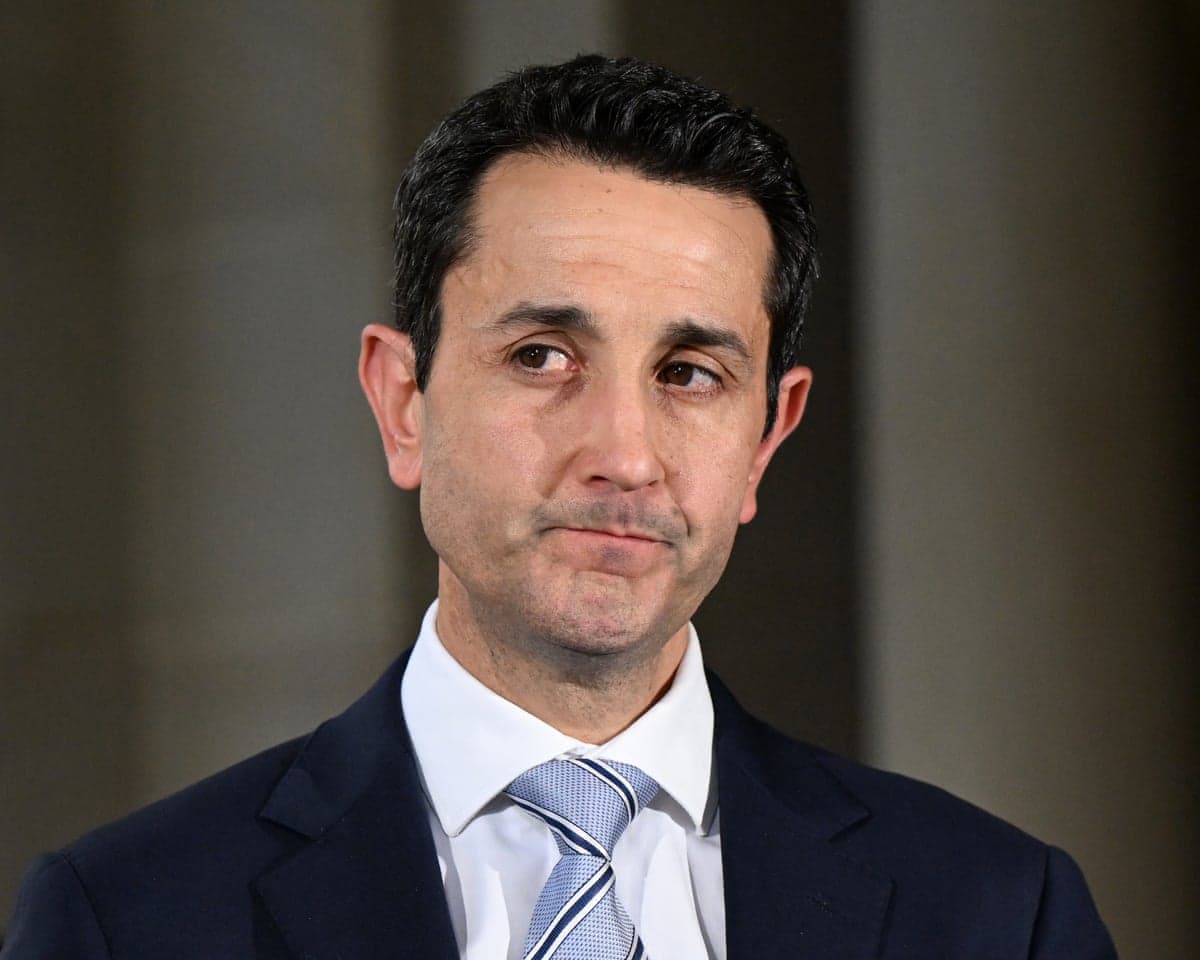
Queensland's government has formally acknowledged that its new "breach bail, go to jail" legislation would violate human rights protections, while legal experts warn the laws could produce "cruel outcomes" for vulnerable young offenders.
In documents accompanying the bill tabled on Thursday, the state government conceded that the laws would breach the Queensland Human Rights Act and risk exacerbating overcrowding in the state's already strained jails, youth detention centres and police watch houses. The legislation requires an explicit override of human rights protections, a step the government argues is justified by what it describes as exceptional circumstances.
The bill, introduced to parliament on 27 August 2026, creates a new offence targeting individuals—including children as young as 10—who commit serious crimes while on bail or fail to appear in court. Those convicted would face a mandatory minimum 12-month prison sentence without parole, with a maximum penalty of three years.
Who does the law target?
The legislation applies to children or adults charged with a "significant offence" while on bail or who fail to appear for a court hearing. For young offenders, "significant offences" include dangerous operation of a vehicle, robbery, and entering premises and committing an indictable offence. For adults, the scope is broader, encompassing 47 "Adult Crime, Adult Time" offences including murder, manslaughter, vehicle theft, coercive control and child sex offences.
A person on bail accused of one of these offences would face a substantially higher threshold to secure bail again. The bill requires that they be remanded in custody unless a court or police officer is satisfied to a "high degree of confidence" that they would not commit another significant offence. Critically, the mandatory 12-month sentence applies even if the person is found not guilty of the first offence, and any sentence could be served concurrently with sentences for the additional offence.
What human rights does the government acknowledge it is breaching?
In its formal submission, the government concedes that the legislation restricts multiple protections under the Queensland Human Rights Act, including the right to liberty, the principle that persons awaiting trial should not be automatically detained in custody, and the right of children to have their best interests protected. The government also acknowledges that the additional offence will lead to overcrowding in corrective services facilities and youth detention centres, which "will impact the conditions of detention, engaging the right to humane treatment when deprived of liberty".
Under the Queensland Human Rights Act, an override is only permissible where exceptional circumstances exist, such as a state of emergency. In documents tabled with the bill, Attorney-General Deb Frecklington justified the override by citing "the prevalence of serious repeat offending committed while on bail".

What do legal experts say about the laws?
Bridget Burton, a senior lecturer in law at the University of Queensland and human rights lawyer, expressed concern that no genuine exceptional circumstances justify the legislation. She warned that mandatory sentencing removes judicial discretion and can lead to unreasonable and disproportionate outcomes.
Mandatory sentencing prevents judges from considering the circumstances of an offence. When circumstances become irrelevant, we can see cruel outcomes for individuals contrary to what the community would expect, particularly when someone who is a victim also commits an offence.
William Wood, a senior lecturer in criminology and criminal justice at Griffith University, raised separate concerns about the law's effectiveness and fairness. He noted that little evidence suggests a mandatory 12-month sentence would deter young people from reoffending, and that courts already possess the power to consider previous offending when determining bail eligibility.
Wood cautioned that the bill would likely affect only the least serious offenders, since those convicted of violent crimes would typically already receive sentences exceeding 12 months. He pointed out that Queensland already has the highest youth detention rate of any Australian state and already makes "exceptionally heavy use of pre-trial detention".
Increasing incarceration is not in itself an evidence-based youth crime strategy. Once the highest-risk young people are already being detained, expanding detention increasingly captures less serious offenders, with diminishing public-safety returns and growing financial and social costs.
What is the government's response?
Premier Curtis Crisafulli has declared that the laws will give Queensland "the strongest bail laws in the country". He acknowledged that the state faces a choice between full jails and crime in the community, stating he has been "upfront about that" and wants to "protect Queenslanders". The government has announced plans to open additional jails, though specific details and timelines remain limited.
The legislation also removes the requirement for police to consider diversionary options before charging a child with an offence, and expands an existing exemption to the human rights act in the state's police watch houses.
What happens next?
The government has indicated that it aims to have the legislation in force by the end of 2026. The bill now enters parliamentary debate and passage procedures. The breach-bail crackdown represents the next phase of the government's "Adult Crime, Adult Time" policy, which was first announced in July 2026 as a response to repeat offending.
The policy sits within a broader national conversation about criminal justice approaches. Other Australian jurisdictions have pursued similar toughening measures; in Victoria, the opposition Liberal and Nationals parties have proposed splitting the Court of Appeal to enforce tougher criminal sentences, a move that would set precedent across the state's courts.
Key Facts
- The "breach bail, go to jail" bill applies to children as young as 10 and mandates a 12-month minimum prison sentence without parole for those convicted of serious offences while on bail or who fail to appear in court.
- The Queensland government has formally acknowledged the legislation breaches human rights protections, including the right to liberty and the right of children to have their best interests protected.
- Legal experts warn the laws remove judicial discretion, may produce disproportionate outcomes, and lack evidence-based support for deterring young offenders or improving public safety.
- Queensland already has the highest youth detention rate among Australian states and makes extensive use of pre-trial detention.
- The government plans to have the legislation operational by the end of 2026.