

The federal Labor caucus has approved a package of gambling reform amendments negotiated with the Coalition, clearing the way for the House of Representatives to sit into the evening to pass the legislation. Government MPs endorsed more than a dozen changes to the original bill, while a separate fix to the so-called "widow tax" loophole in negative gearing and capital gains tax rules is also being fast-tracked through parliament this week.
According to a national broadcaster's live coverage, the two major parties had all but finalised their agreement on gambling advertising restrictions, with the main outstanding detail being a shift in the start time for the three-ad-per-hour cap from 6am to 5am, alongside a single opt-out register for gambling ads and new controls on inducements.

What changes are in the gambling reform deal?
The amendments create a national opt-out register allowing people to remove themselves from gambling advertising, bring forward the start of the broadcast ad cap to 5am instead of 6am, and build in a review of the laws after three years. Debate on the gambling bills and related legislation was scheduled for the afternoon, pausing for question time at 2pm, with voting expected to run as late as 10pm the same day.
Before the sitting day ended, the lower house was expected to vote on the gambling bills, a series of amendments proposed by the Coalition and the Greens, and the widow tax fix addressing an unintended consequence of the government's changes to capital gains tax and negative gearing arrangements announced in the budget.
Why is the widow tax fix being rushed through?
The Coalition made clear it would not support the government's National Disability Insurance Scheme budget cuts unless the widow tax issue was resolved first, prompting Labor to accelerate legislation that had originally been expected to take months. The fix is designed to prevent a surviving spouse, or someone who inherits a property, from facing new tax liabilities they would not otherwise have incurred.
Treasurer Jim Chalmers told reporters in the press gallery corridor that the government had already made its intentions clear and released draft legislation that remains open for consultation.
Now, if the opposition's main ask is that we pass the government's legislation quicker, then obviously I'm up for that discussion.
Under the budget changes, existing property owners using negative gearing or capital gains tax concessions retain those benefits, but the concessions disappear once a property is sold or changes hands, and will not be available at all for future purchases of established properties. The unintended consequence is that in cases of divorce or death, where ownership shifts from joint to single, the surviving or remaining owner currently loses the benefit — a problem the government has promised to fix.
Separately, reporting on the day's parliamentary proceedings noted that Chalmers reiterated his openness to speeding up the fix if the Coalition's central request was simply faster passage of the government's existing bill.
How has the Coalition reacted, and is there internal dissent?
Not every Coalition MP is satisfied with the deal. Nationals MP Pat Conaghan, who served as deputy chair of the parliamentary inquiry into online gambling harm led by the late Peta Murphy, criticised the agreement as inadequate when speaking to journalists entering parliament.
I won't make any friends in the Coalition by saying, I think we're being weak by not implementing those reports and I think we'd be supported by the majority of the public out there.
So I'm really disappointed that we've wasted six months … What's the point of an inquiry? What's the point of listening to those family members and doing nothing about it?
The inquiry's report contained 31 recommendations, including a comprehensive phased ban on online gambling advertising over three years — a measure not fully reflected in the negotiated deal.
In the Coalition party room, shadow communications minister Sarah Henderson outlined the terms of the agreement with Labor. Some Liberal MPs have pushed for an opt-in advertising system rather than an opt-out one, but that request was not adopted by either Opposition Leader Angus Taylor or Prime Minister Anthony Albanese.
Liberal MP Scott Buchholz, speaking to reporters outside parliament, suggested the deal might not have unanimous Coalition backing.
Do we have all of the Coalition's support? I think we might see a couple of people cross the floor on it who want to see it go further.
Independent MP Sophie Scamps was more scathing, describing the negotiated changes as insufficient given the scale of gambling-related harm in Australia.
Australians are the biggest losers to gambling in the world and over 400 die by suicide each year linked to gambling addiction. Yet the major parties will crow about doing a deal that will be ineffective and which prioritises the profits of Gambling corporations over the wellbeing of Australians.
What else is happening in the GST distribution dispute?
Victorian Premier Ben Carroll has pushed back against Western Australian Premier Roger Cook, who described the authors of a critical report into WA's GST distribution deal as "east coast clowns." The report in question, produced by the Productivity Commission, found WA received more GST revenue than it required in the 2024-25 financial year, with the broader arrangement estimated to have cost the federal government $23bn.
Asked directly whether Cook's remarks were an overreach, Carroll agreed.
The Productivity Commission has laid bare what every economist around the nation, every public policy expert has known for years. That WA does have a sweetheart deal when it comes to the GST, on top of all the mining royalties. What the Productivity Commission have shown is that this has been occurring since the GST agreement back in 2018.
Victoria's always just wanted its fair share for our taxpayers and when I meet with the prime minister and when I meet with other ministers, every Victorian can know that I'll be in their corner advocating for our fair share, we deliver so much for our nation from services, from education. We are a powerhouse by our people. It's our people that deserve a fair share when it comes to the GST.
Carroll argued the GST distribution system needs structural reform rather than an overall increase in the tax rate.

Everyone knows that the GST is inequitable the way it is distributed. Everyone knows that to get the lasting reform, not just for Victoria's future, but for Australia's future, redoing the GST to make it more equitable in its distribution is critically needed, particularly for states like Victoria, that are fastest growing and have such big, strong population growth.
We know, as a state government, we've been doing the heavy lifting for so long, and we'll continue to advocate for every single Victorian to make sure the GST carve out is equitable and sustainable for the whole of Australia, not just one particular state.
What is the status of the Palantir–NDIS controversy?
Documents released under freedom of information laws reveal that data analytics firm Palantir attempted to sell its software to the National Disability Insurance Agency in 2023, though the agency insists it has no plans to deploy Palantir technology for fraud detection within the National Disability Insurance Scheme.
Palantir has faced calls internationally for bans on government contracts following the publication of a manifesto earlier this year that one UK member of parliament described as the "ramblings of a supervillain."
The documents show that members of the NDIA's fraud taskforce, along with the agency's chief operating officer, met with Palantir representatives in 2023, including the company's Australian president and former Labor minister Dr Mike Kelly. In a May 2023 email, Kelly wrote:
Over the past six months my team has had the pleasure of working with different folks from your department on how our software might enable workflows for the Fraud Fusion Taskforce and insider threat.
No contract resulted from the discussions. An NDIA spokesperson confirmed the agency had not used Palantir's technology and had no plans to do so. Greens justice spokesperson Senator David Shoebridge argued Palantir should be kept away from the personal records of disabled Australians.
We know the budget allocated millions to the NDIA for fraud detection and a new digital enrolment and payment system, we need a guarantee from this government that not a cent of this will go to Palantir.
What has BHP disclosed about workplace harassment?
Mining giant BHP's annual report reveals that 109 employees either lost their jobs or resigned after being found to have sexually harassed colleagues in the last financial year, with many incidents involving indecent touching and sexualised jokes. A further 22 workers had their employment terminated, or otherwise departed the company, after being found responsible for racial harassment.
The disclosure comes amid heightened scrutiny of Australia's mining sector over allegations of systemic sexual harassment, violence and retaliation, particularly at remote and isolated mine sites. At least three class actions are currently before the courts against BHP, Rio Tinto and Fortescue, alleging widespread sexual harassment, sexual violence and sex discrimination in the workplace.
BHP confirmed that 113 reports of sexual harassment were substantiated following internal investigations across its global operations, an increase from 102 substantiated reports the previous year. The company employs 44,254 people and contractors in Australia and 30,892 in Chile, together making up the majority of its global workforce.
What is happening with the tobacco excise debate?
Nationals MP Barnaby Joyce argued on RN Breakfast that repeated increases to the tobacco excise, which push up the price of legal cigarettes, are fuelling organised crime rather than boosting government revenue.
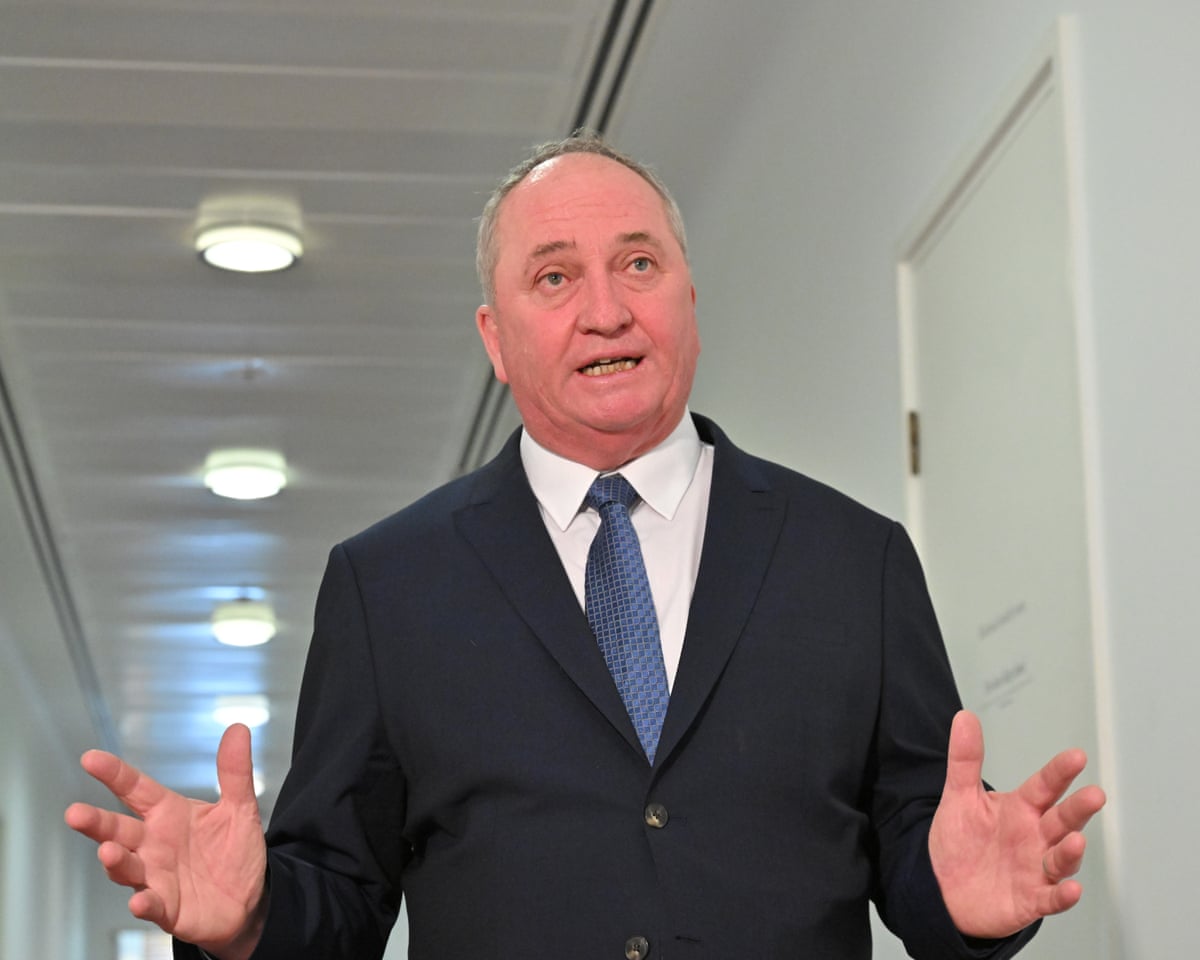
This is just absurd economics: that if you keep on putting up the price of cigarettes, you're going to get more excise. Now, if you keep on putting up the price of cigarettes, you're going to get more mafia. That's what you're getting, more mafia. And that's precisely what's happening. And the only way we can deal with the criminality, the mafia that also underwrites some of the other drugs, is to bring back the price of legal cigarettes into the same realm as where the illegal ones are.
Annual excise revenue has more than halved over the past five years, falling to $7.8bn, as illegal cigarette sales have surged. However, research from the e61 Institute released late last year suggested that cutting the excise might not solve the underlying problem and could further widen the multibillion-dollar hole in the federal budget.
Shadow treasurer Tim Wilson said the Coalition wants to eliminate the black market in tobacco and accused the government of letting pride stand in the way of effective action.
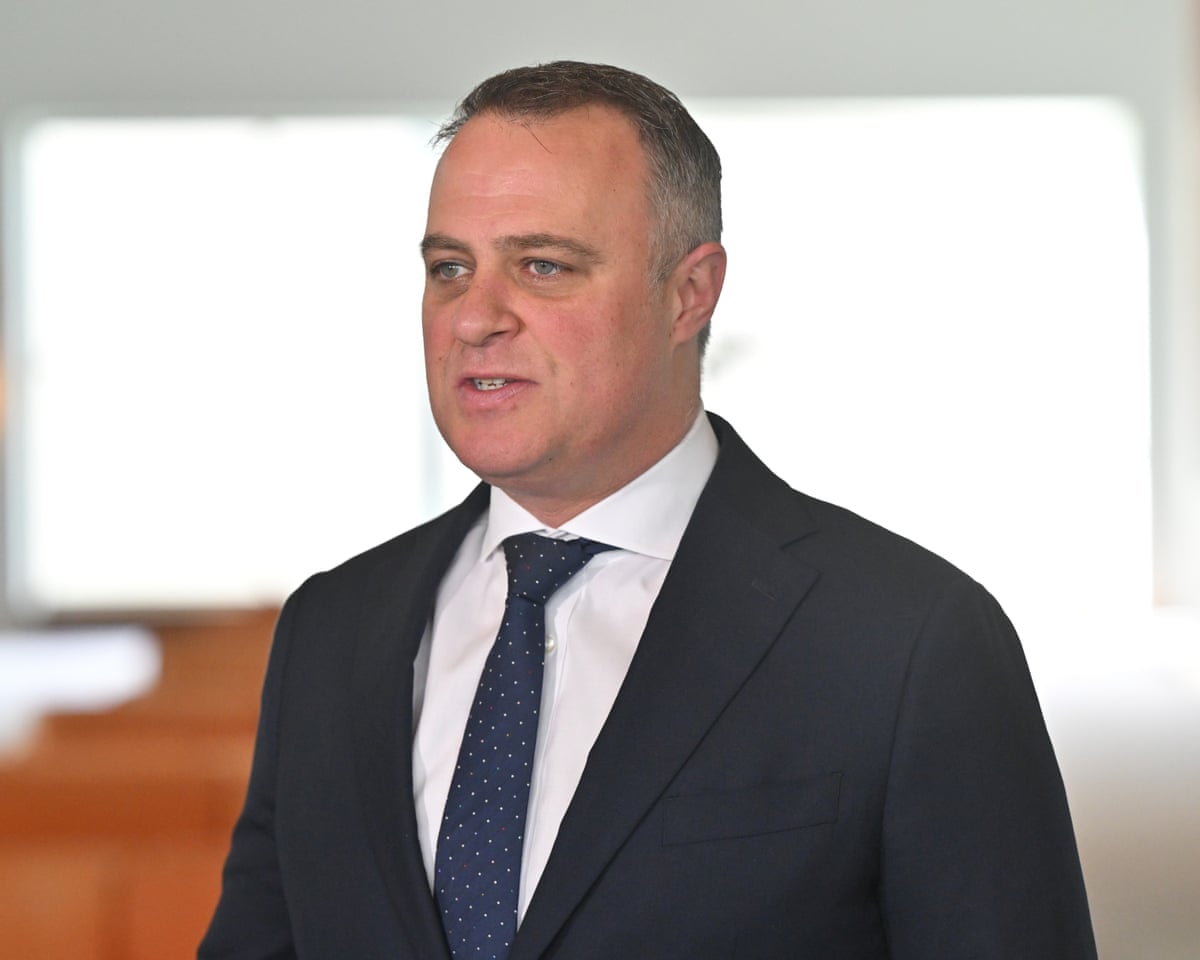
In principle, we want to cut out the black market and the organised crime that the Albanese government has let fester. What we know is, through pride, the Albanese government is ruling out any measure that would stomp down on organised crime, which is literally handing over the trade to criminals that's then going on to do things like finance terrorism and hurt the Australian community.
It's time the Albanese government got past its pride, acknowledged, just like in their budget, that adding more taxes doesn't always deliver, or definitely doesn't deliver, better outcomes for the Australian people.
Wilson said the Coalition would "review this policy" rather than immediately commit to One Nation's proposal for a 75% cut to the excise. Nationals MP Mary Aldred, who sits on a parliamentary committee reviewing the excise, has also argued in favour of a reduction.
Greens leader Larissa Waters accused One Nation leader Pauline Hanson of acting on behalf of the tobacco industry in calling for the excise cut, speaking on the Today show.
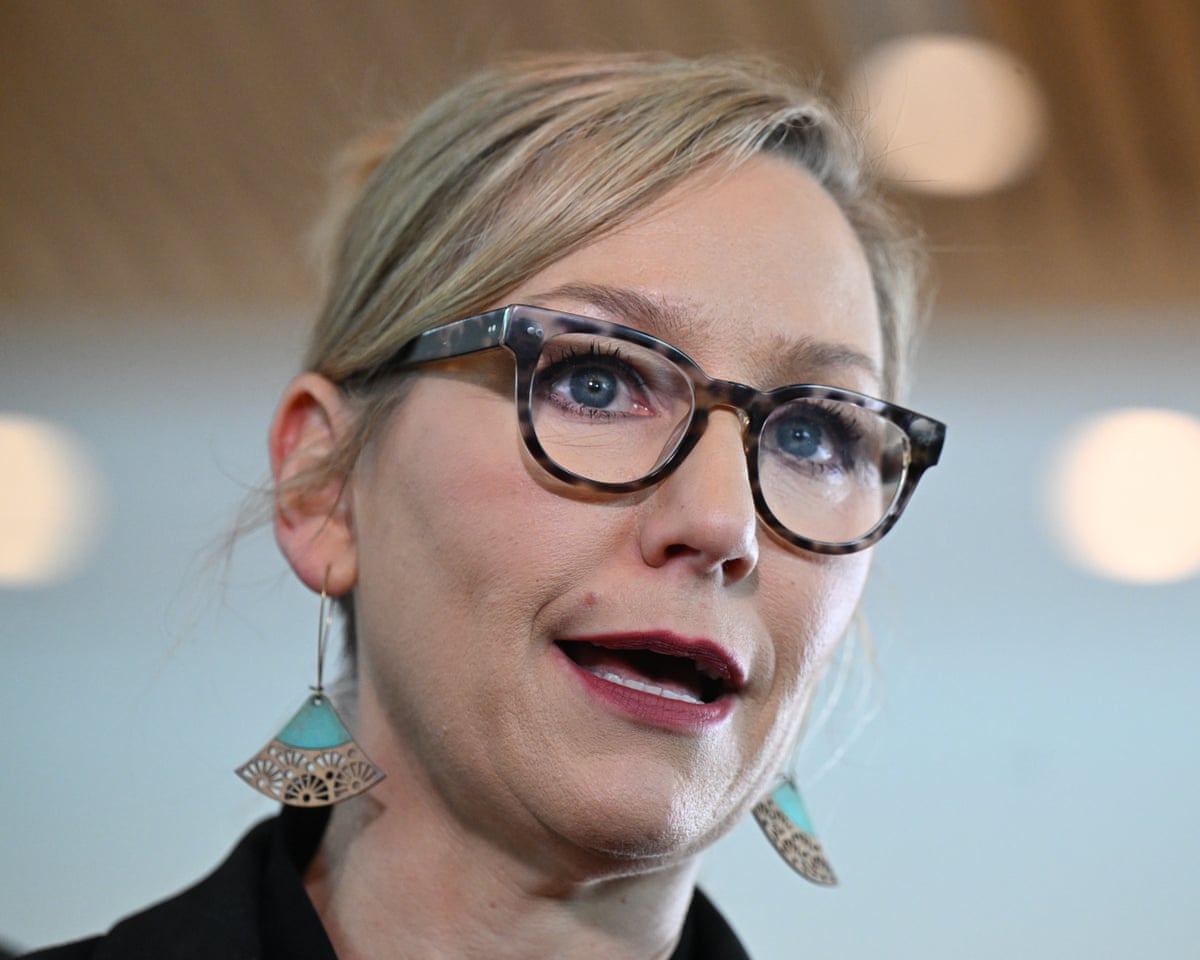
Pauline Hanson is doing precisely what big tobacco have been lobbying her to do. We see them haunting the halls of parliament here … if you want to, fight crime, but don't dress up fighting crime as just a premise to boost the profits of big tobacco.
Anything that Philip Morris wants to do primarily revolves around them boosting their own profits off the pain of humans and the cancer and the devastation that they will wreak. So I don't have a lot of sympathy for big tobacco and I don't think they should be influencing our politics.
Treasurer Jim Chalmers, speaking on ABC News Breakfast, rejected calls to lower the excise and said the government's focus remains on law enforcement.
Our primary focus has been on providing hundreds of millions of dollars in extra resources for the police and other authorities to crack down on this big problem in our society and in local communities as well. Now, we've had some recent successes when it comes to that crackdown. We've seen some raids and some busts when it comes to some of this illegal supply. That's a good thing. We want to see more of that.
The pressure on the government comes as New South Wales Premier Chris Minns has previously criticised the excise policy, with some within the state Labor party also arguing for a cut.
What has been said about negative gearing's effect on rents?
Assistant Minister for Science Andrew Charlton dismissed media reports suggesting the National Australia Bank had warned rents in Sydney and Melbourne could rise by as much as 30% as a result of the budget's negative gearing and capital gains tax changes.

Speaking on RN Breakfast, Charlton said the vast majority of current rental properties remain under grandfathered arrangements, meaning existing negative gearing entitlements are unaffected. Only buyers of newly built properties going forward will be able to access the concession.
I've seen those reports on rental increases today, and they just don't seem realistic to me … So the idea that you would have big changes to the properties that people are currently renting, when the overwhelming majority of them are in grandfathered arrangements, just doesn't seem to make sense.
Treasury modelling included in the budget estimated the changes would add roughly $2 a week to rents. Charlton said he believed that modelling to be accurate and expected "negligible impacts" on rents overall.


