A new survey reveals a significant shift in how Australians perceive their traditional allies, with the United States increasingly viewed with suspicion rather than trust. According to The Guardian, only half of those polled in a YouGov survey commissioned by the Australia Institute considered the US a "friend", while 42% perceived it as a "threat" defined as a nation viewed with caution or suspicion.
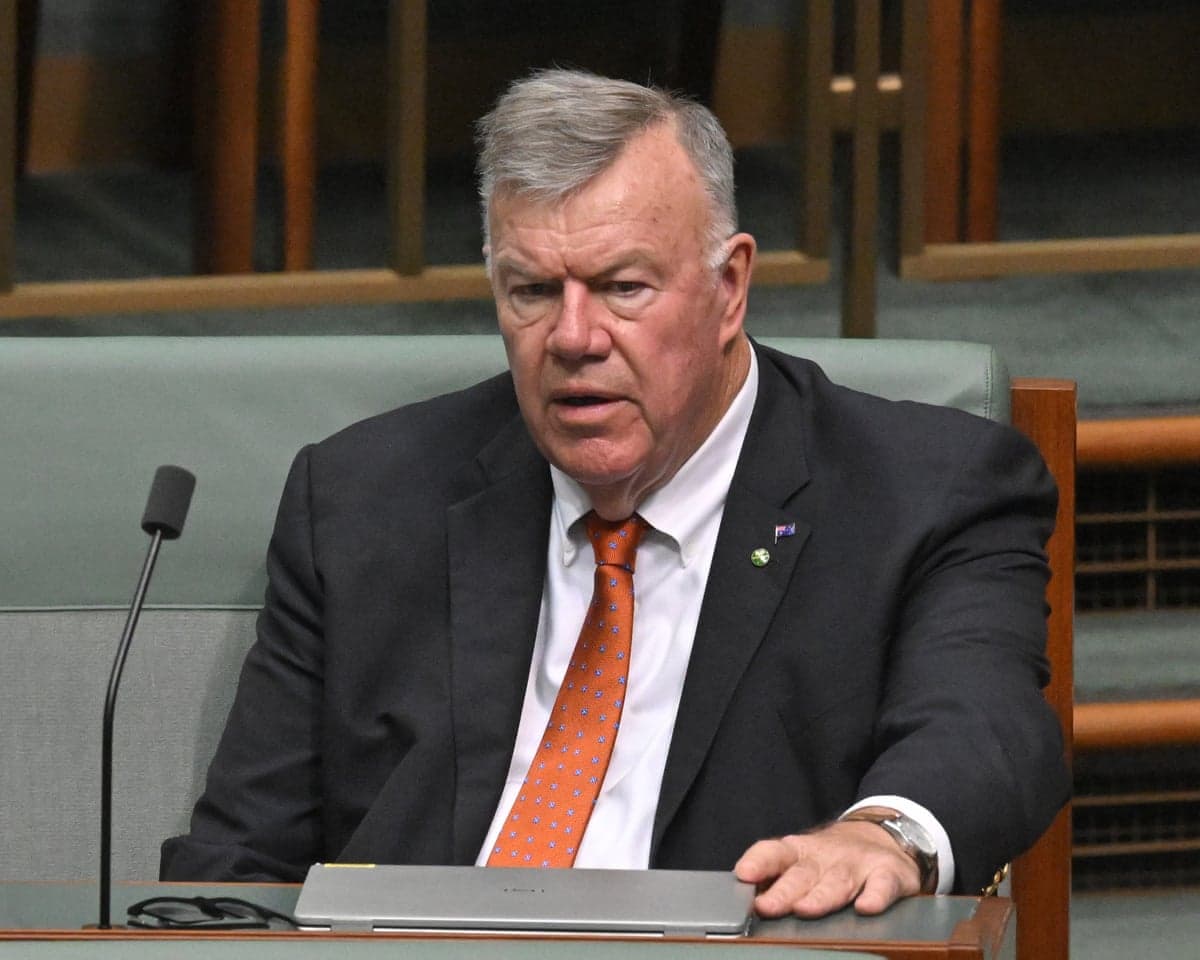
The generational divide is particularly stark. Only 4% of young voters labelled the US a "close friend", while over half of that demographic considered it a threat. Political affiliation also shapes perceptions: two-thirds of One Nation voters and the Coalition view the US positively, Labor voters are largely split, and just one-quarter of Greens voters regard the superpower favourably.
Confidence in American leadership has also eroded significantly. Only 21% of respondents expressed confidence in Donald Trump to "do the right thing" in world affairs, a figure surpassed only by Chinese president Xi Jinping, Russian president Vladimir Putin, and North Korean leader Kim Jong-un. Meanwhile, Indonesia, Australia's close geographic neighbour and emerging strategic partner, has been rated a more trusted ally than the United States, leading by 14 percentage points in the friend category.
Why is social media fuelling political division?
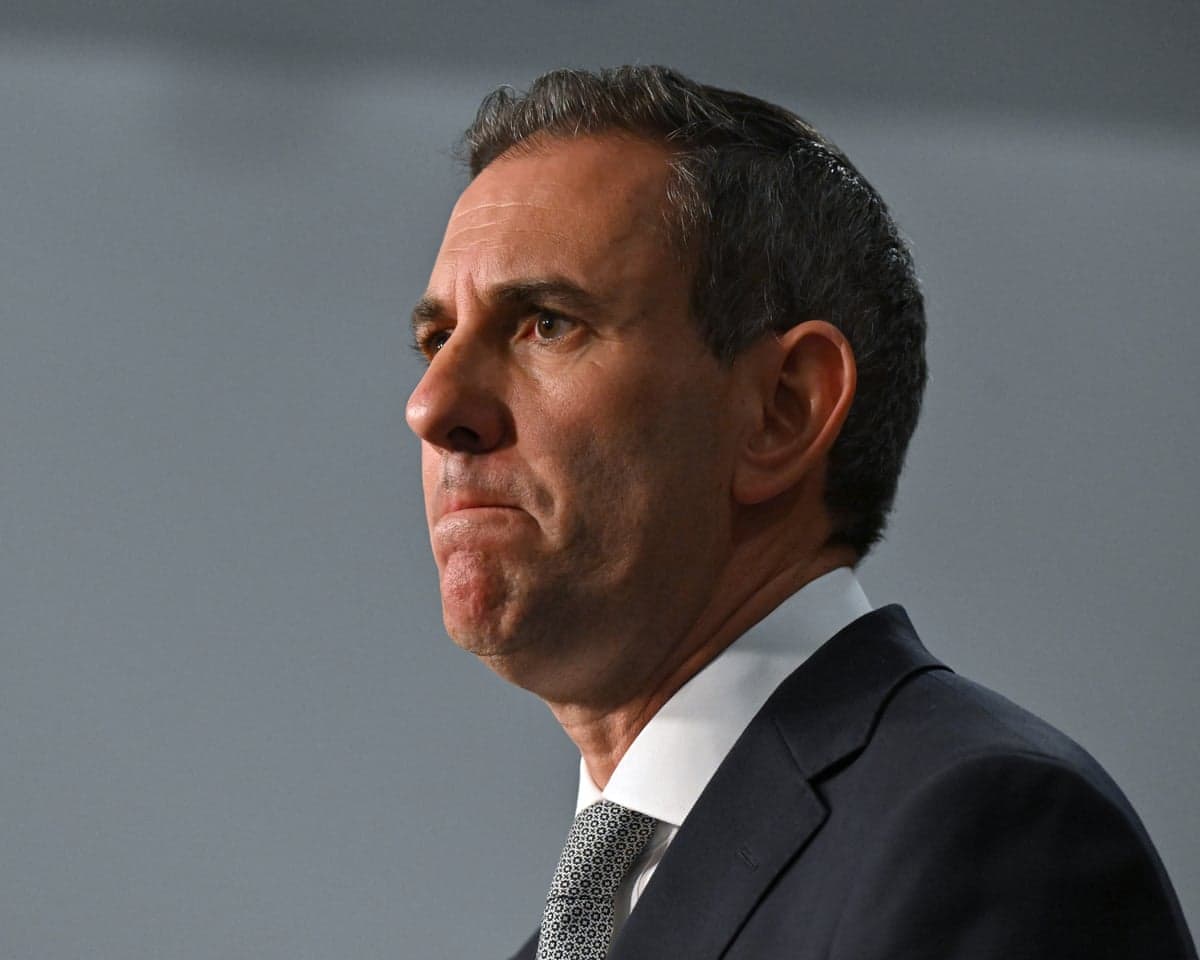
Treasurer Jim Chalmers has identified overheated discourse on social media platforms as a primary driver of toxicity in Australian politics, contributing to threats and abuse directed at elected representatives. Speaking at the Political Book of the Year awards in Canberra on the evening of 28 October 2026, Chalmers reflected on the alleged attack against Indi MP Helen Haines the previous week, drawing a distinction between historical prejudice and its modern digital manifestation.
That climate is no accident. Hate is monetised and weaponised by algorithmic rage-bait. Extremism is incentivised; nuance is penalised. The most available public figures are the most vulnerable.
Chalmers characterised the current environment as creating a new form of digital misogyny that disproportionately affects women in public life. He argued that while hatred has always existed in Australian society, it now possesses "a business model, a formula, an assembly line for mass-production." He contrasted the role of books, which "inform our views without hardening them", with social media, which "hardens our views without informing them."
What is the status of the alleged attack on Helen Haines?
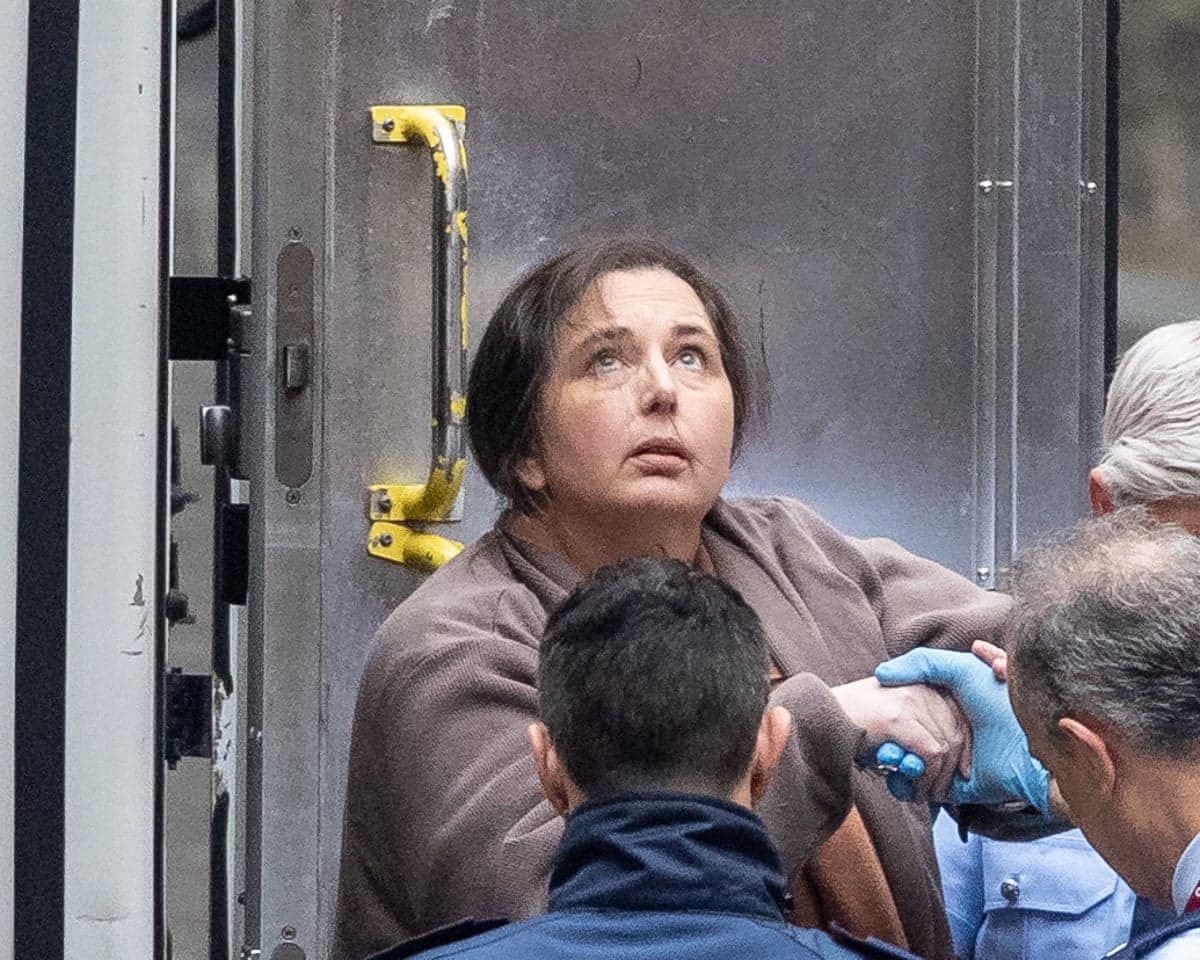
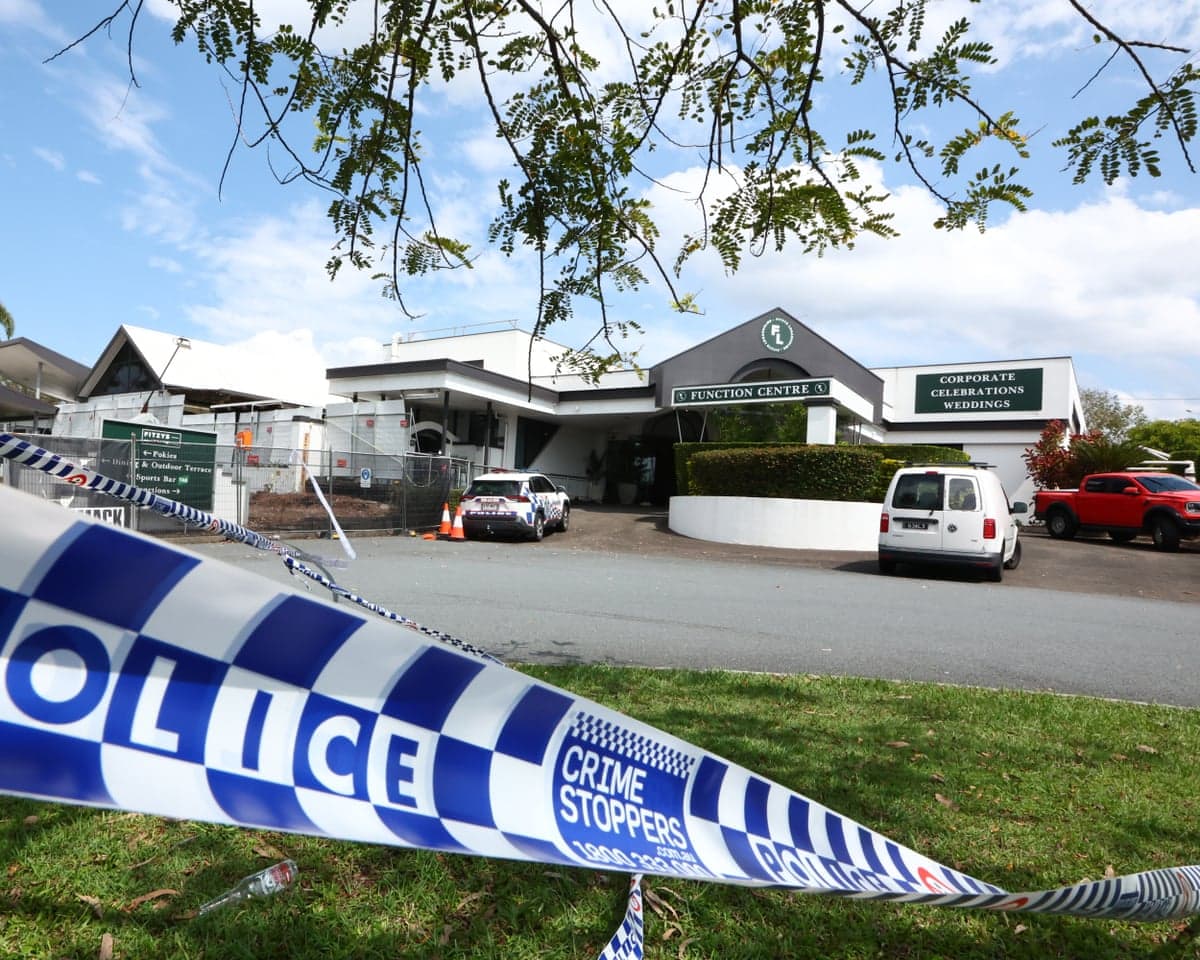
Haines, the independent member for Wangaratta, is recovering in hospital following the alleged attack outside her electorate office. Police have charged a 43-year-old man in connection with the incident. According to ABC News, the accused, Brendan Nugent, faces three charges related to the alleged attack, along with separate cannabis cultivation and possession charges.
Investigators are examining all possible leads regarding the motive, including whether the accused held radical anti-government views, though the motivation remains unclear. Agence France-Presse reported that police said they are still investigating all possible angles. Police Commissioner Mike Bush described the alleged attack as deliberate but isolated, while investigators indicated they had not ruled out further serious charges.
During a court appearance, Nugent's lawyer disclosed that he has a rare neurological condition, and no bail application was made at that time.
What happens next in the legal proceedings?
Nugent is scheduled to return to Wangaratta Magistrates' Court on 4 February 2027. Police were required to provide the defence with their brief of evidence by 24 December 2026, according to court directions.