In a creative response to Melbourne's housing affordability crisis, groups of friends and colleagues are pooling their professional expertise and finances to redevelop single suburban properties into multiple townhouses. Two projects—the Davison Collaborative in Brunswick and Northcote Townhouses in Darebin—demonstrate how collective action can increase residential density while preserving neighbourhood character and fostering genuine community bonds.
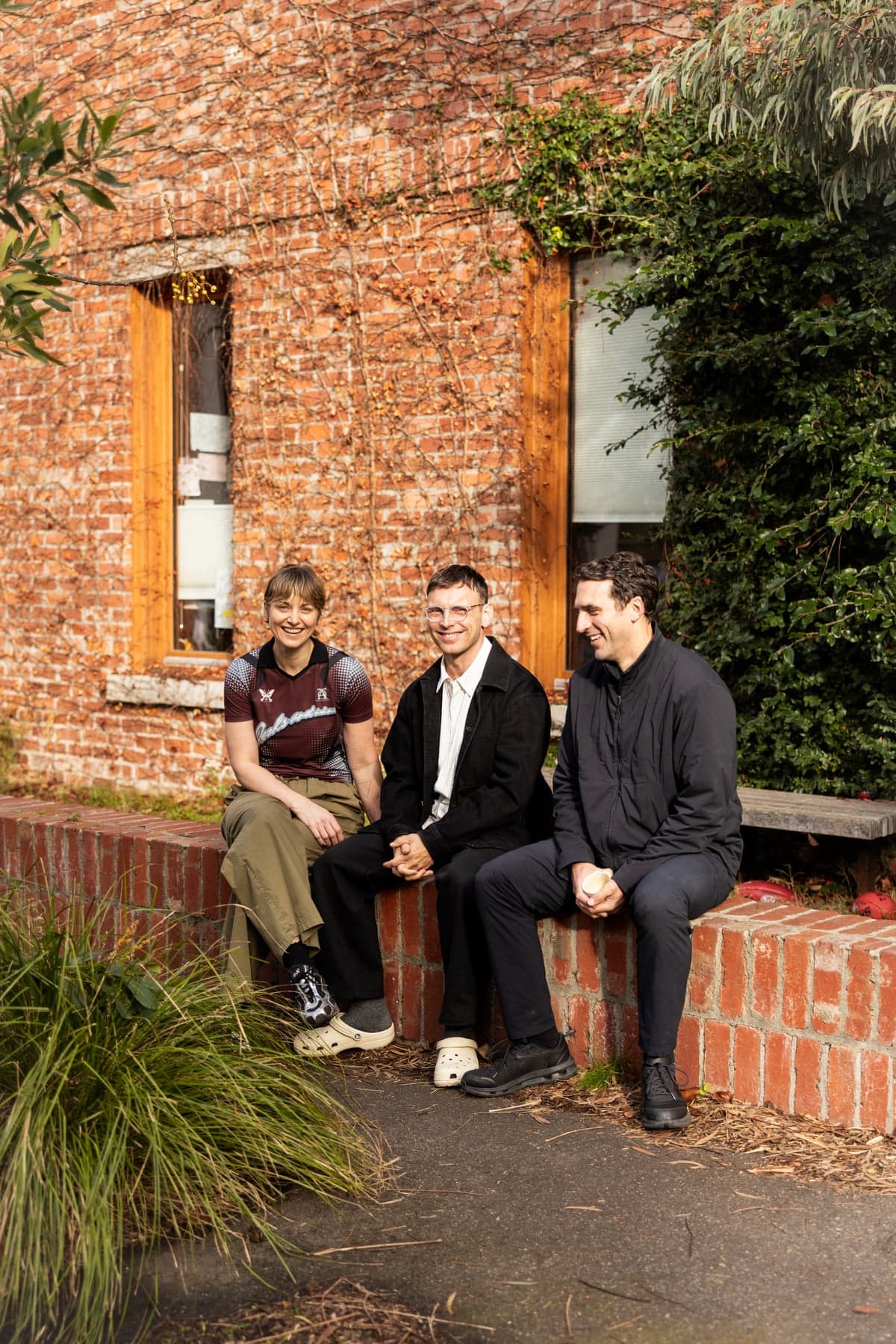
Architect Chris Gilbert's story captures the appeal of this model. In 2018, he found himself repeatedly outbid at property auctions, arriving each Monday despondent at his shared workspace with Liam Wallis and Peter Steele. Wallis, who runs the sustainability-focused property development firm Hip V. Hype, had been considering whether pooling resources to redevelop single-home lots could simultaneously increase density and reduce costs for families. "I said 'hang on a minute, let's just do a project. Let's see if this works. Let's figure out how hard it is,'" Wallis recalls.
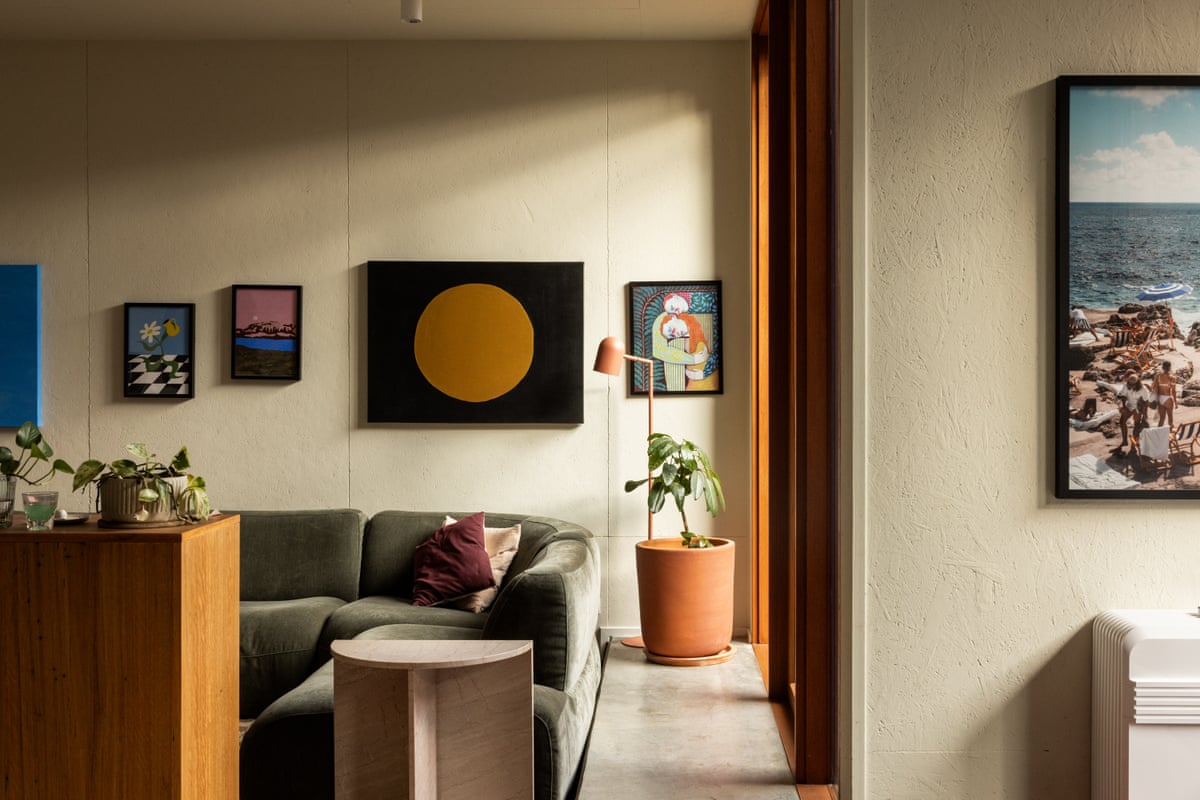
The three men eventually purchased a postwar brick veneer that had remained in the same family for 50 years. Two years after acquisition, all three couples moved into their new homes. According to Hip V. Hype's project documentation, each townhouse features three bedrooms, two bathrooms and one car space, with the development replacing one dwelling with three architecturally designed residences that tripled the lot's density. The homes were designed to achieve an 8-star environmental rating and net carbon positive operation, making them entirely fossil fuel-free and 100% electric.
A parallel venture unfolded simultaneously in Carlton North. During pandemic lockdowns, a close-knit group of friends and colleagues—with backgrounds in architecture, interior design, project management and construction—who lived within walking distance of each other began exploring how to leverage their collective professional knowledge into a shared housing development. Four years later, Sarah Birthisel and her husband, Sarah Cosentino and Stephen McGarry, and Tanya Smith and Neil Clarke moved into Northcote Townhouses.
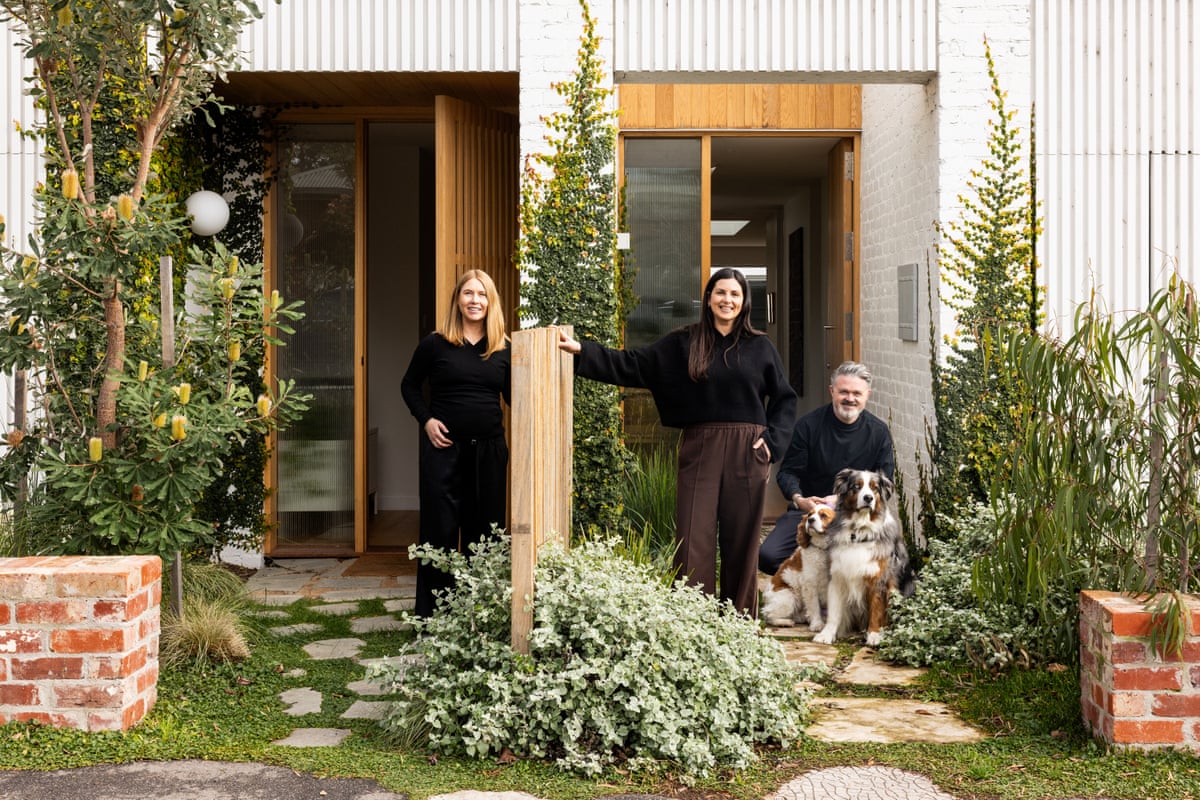
The group recognised that Carlton North's heritage overlays and smaller lot sizes made development there impractical. They instead looked to the adjacent municipality of Darebin, where fewer heritage restrictions, larger properties and lower prices created a more suitable environment. They purchased a 638 square metre property backing onto the Mernda train line and made community engagement a priority from the outset.
"It was really important to us to connect with our neighbours, to make them aware that this wasn't going to be something that we would be flipping … That this would be our home, and that resonated really well with the community,"Cosentino explains. Their development application emphasised a design that was "very sympathetic to the streetscape and continued the rhythm of the streets", according to Birthisel. Council approvals proceeded smoothly, and construction began in 2022.
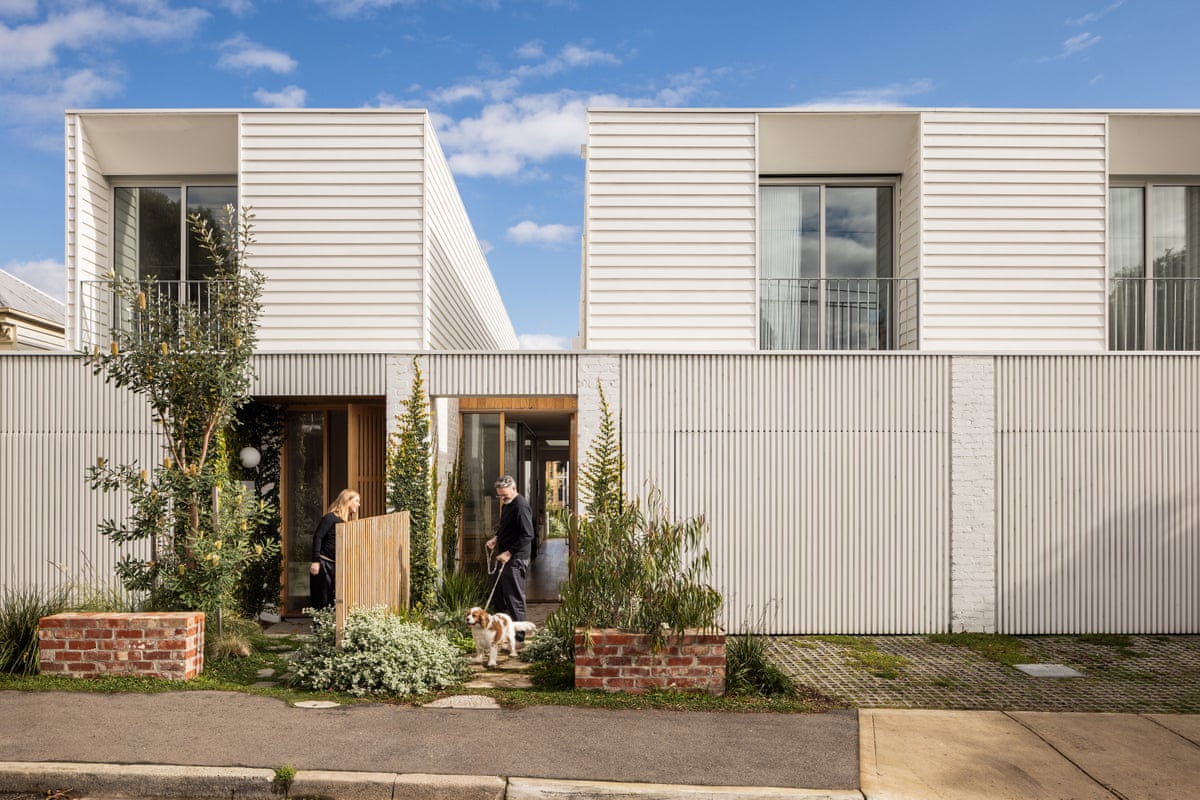
How do residents balance community and privacy?
While the communal aspects attracted the residents, each family also prioritised privacy. Two years into the arrangement, they report achieving both.
"I love the security of knowing I've got friends at my doorstep. I also equally love that sense of retreat and sanctuary; we could be in the house the whole weekend and feel like we're not around everyone else at all,"Cosentino says. Yet the shared spaces deliver unexpected benefits. Last summer brought balmy evenings where private gatherings spilled into common areas and impromptu alfresco meals were shared, with children playing in the communal garden.
"Those incidental interactions are so beautiful and bring such a buzz."

What recognition have these projects received?
Both developments have attracted significant industry attention. The Davison Collaborative was a finalist for the Victorian premier's design awards, while Northcote Townhouses received a commendation in the Houses awards. These accolades underscore how collectives with appropriate professional and financial resources can create innovative housing solutions. However, both projects required substantial effort and expertise to navigate planning and regulatory hurdles.
The Davison Collaborative faced delays at both planning stage and the Victorian Civil and Administrative Tribunal (VCAT) lasting a year. To preserve friendships, the three couples engaged Hip V. Hype to manage the broader project, allowing the group to focus on key decisions requiring collective agreement.
"It's impossible to run a complex project if you have to go back to someone with every decision, but there are select, important decisions that need collective agreement and so we carved those out [early on],"Wallis explains.
Who helps groups without professional expertise?
For consortiums lacking in-house expertise, consultants like Tim Riley fill critical knowledge gaps. His company Property Collectives has guided 11 collaborative housing projects across Melbourne, charging a fixed management fee to shepherd groups through property development from conception to completion. Riley observes that participants typically
"aren't seeing the sort of homes on the market that they would want to live in, at a price point that makes sense to them".

Participants often save upwards of $100,000 compared with purchasing equivalent homes in comparable areas, though Riley emphasises these are not "capital-A affordable" properties. Beyond financial and design considerations, he identifies a deeper motivation.
"I think it is all rooted in a belief that having more meaningful social connections with your neighbours is a really valuable thing to have in life,"Riley says. Young families value raising children in supportive communities with intergenerational diversity, while older participants prefer collaborative living to traditional retirement villages.
What governance structures make co-housing work?
Riley's company standardises contracts to ensure lenders and builders view collaborative projects as conventional developments rather than unusual ventures. On an interpersonal level, successful consortiums typically employ "sociocracy"—a decision-making framework established at the outset that designates which choices require unanimity and which need only majority approval, with each household holding one vote.
"And that can reduce a lot of friction through the process."
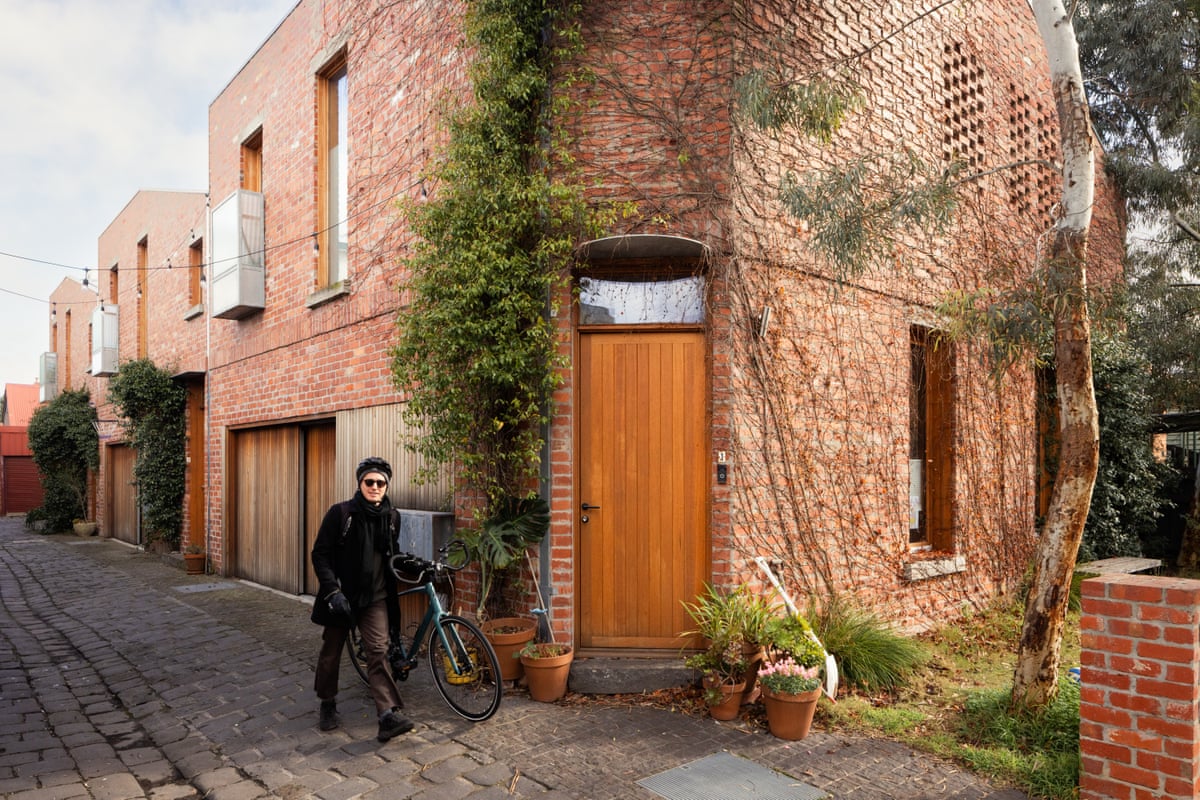
Property Collectives guides participants through a structured process with seven decision gates, beginning with strategic vision and concluding with operational management. This "chunking" approach renders the complex undertaking less overwhelming. The entire journey from group formation to occupancy typically spans four years on average.
What is the potential for scaling this model?
Wallis, though no longer resident at the Brunswick project, remains convinced of its replicability. He conducted an analysis of Davison Street and surrounding areas, identifying approximately 500 laneway blocks with characteristics matching their original site.
"We could turn 500 family homes into 1,500."He argues that meaningful density increases do not require high-rise construction.
"We don't need to build 20-level buildings to increase density. We just need to use what we have more effectively."
This model aligns with broader discussions about housing solutions in Australian cities. As Prime Minister Albanese has emphasised housing reforms aimed at fairness for young Australians, collaborative development offers a practical pathway to increase supply without requiring large-scale apartment construction. Similarly, friends across other regions are exploring shared ownership models to address housing cost pressures, suggesting this approach resonates beyond Melbourne.
Key Facts
- The Davison Collaborative replaced one postwar dwelling with three fossil fuel-free, 100% electric townhouses, each with three bedrooms, two bathrooms and one car space
- Northcote Townhouses sits on a 638 square metre property and was developed by three couples with combined expertise in architecture, interior design and project management
- Participants typically save over $100,000 compared with purchasing similar homes in equivalent locations, though these remain premium properties
- The average timeline from group formation to occupancy is four years, with successful consortiums employing sociocratic decision-making frameworks
- Approximately 500 laneway blocks in Brunswick alone could theoretically accommodate similar redevelopment, potentially converting 500 family homes into 1,500 dwellings