Australia will experience more deaths than births within 40 years, according to the government's seventh Intergenerational Report released on 21 September 2026, which exposes fundamental challenges in managing an ageing population amid rapid technological change and slower economic growth.
The report projects that fertility rates will fall to 1.34 children per woman by 2065–66, causing deaths to exceed births by the 2060s. This demographic milestone has already been reached by Japan, Germany, Italy and South Korea, with most other developed nations expected to follow in coming decades.
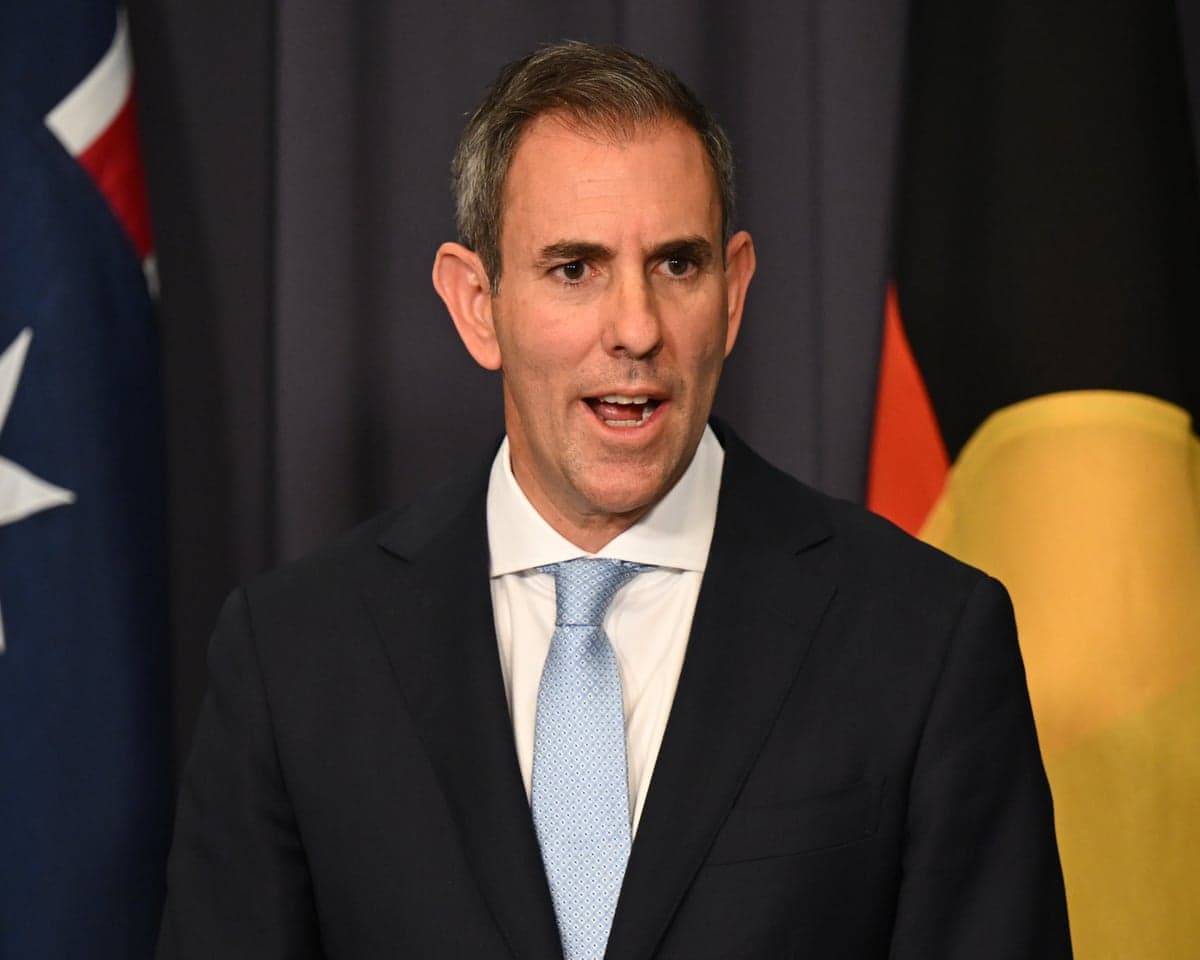
Treasurer Jim Chalmers delivered remarks at the Australian National University coinciding with the report's release, stating that
this intergenerational report illuminates the road ahead. He added:
No previous IGR has contended with global challenges this great, with politics this fraught, or a future less certain. The global and generational risks are serious, but Australia's opportunities are endless.
The analysis reveals that population growth will slow to 0.9% annually from its historical rate of 1.4%, as net overseas migration becomes the sole major driver of population growth once natural increase turns negative. Australia's population is projected to reach 39.3 million by 2065–66, while the number of Australians aged 85 and over is expected to triple during the same period.
The government's policy response to Australia's declining birthrate has centred on expanding childcare access rather than introducing a baby bonus, reflecting a strategic choice to support workforce participation among parents.

How will economic growth be affected?
The economy has entered a new era of lower growth, with real GDP per person expanding by approximately 1.2% over the next 40 years, compared with 1.5% in the previous four decades. Living standards will continue to improve, but at a slower pace than Australians have experienced historically.
This more modest outlook depends critically on productivity rebounding from near-zero recent performance to the historical average of 1.2% annually. The report emphasises that achieving this recovery will require substantial contributions from artificial intelligence, which Chalmers characterised as
the biggest economic transformation of our lifetime.
The Treasury analysis states:
The rise and adoption of AI is likely to support the achievement of Treasury's long-term labour productivity growth assumption over time, with the treasurer describing its role as
pivotal. The report further notes that
as a medium-sized economy, Australia's productivity performance will depend on adopting innovation, supporting investment, developing skills and delivering regulatory reforms that improve the efficient operation of the economy.

These projections underscore a delicate balance the government must maintain: protecting Australians from potential harms posed by artificial intelligence while avoiding restrictions that could impede a technology likely to be essential for future economic prosperity.
What are the major structural challenges ahead?
The report identifies six major transitions shaping Australia's next 40 years. Beyond artificial intelligence and geopolitical fragmentation, these include the energy transition, ageing and the care economy, the country's industrial transformation, and intergenerational equity.
Chalmers warned that
the world is becoming more dangerous, more unpredictable, more unequal, and more divided. These are not just individual threads but part of a bigger fraying of that intergenerational promise, of better times. He argued that successfully navigating these challenges would be crucial to countering populist movements that exploit public discontent for political advantage.
The ageing population presents particular fiscal pressures. Government payments as a share of GDP are projected to rise by 1.1 percentage points to 27.4% by the mid-2060s, driven largely by increased spending on services and support for older Australians. The report projects an ongoing structural budget deficit over coming decades, shrinking over the next decade before expanding again over the following 40 years.
The Treasury assessment states:
As the scale and interaction of these structural trends intensify, maintaining a sustainable budget position will require policies and ongoing reforms that manage growing spending and revenue challenges.
How does this compare to previous intergenerational reports?
The Intergenerational Report is a five-yearly exercise formally established by former Liberal treasurer Peter Costello through the Charter of Budget Honesty Act of 1998. The first report was released in 2002, with each subsequent edition highlighting similar pressures associated with population ageing: the challenge of delivering services to older Australians and determining how to fund them amid a shrinking workforce base.
This year's report represents the seventh in the series and was delayed from its usual schedule due to the COVID-19 pandemic, with the previous edition published in 2023. The 2026 report extends the projection horizon to 2065–66, providing policymakers with a 40-year outlook intended to inform long-term economic and budgetary planning.
What role does superannuation play?
The compulsory superannuation regime has substantially offset the budgetary pressures experienced in other developed nations when funding retirement incomes. This system provides a robust argument for maintaining Australia's mandatory superannuation framework as the population ages and the proportion of retirees to working-age Australians increases.
Key Facts
- Deaths are projected to outnumber births by the 2060s, a milestone already reached by Japan, Germany, Italy and South Korea
- Population growth will slow to 0.9% annually from the historical rate of 1.4%, with net overseas migration becoming the primary growth driver
- Real GDP per person is forecast to expand by 1.2% annually over 40 years, down from 1.5% in the previous four decades
- The number of Australians aged 85 and over is expected to triple by 2065–66
- Government payments as a share of GDP are projected to rise by 1.1 percentage points to 27.4% by the mid-2060s