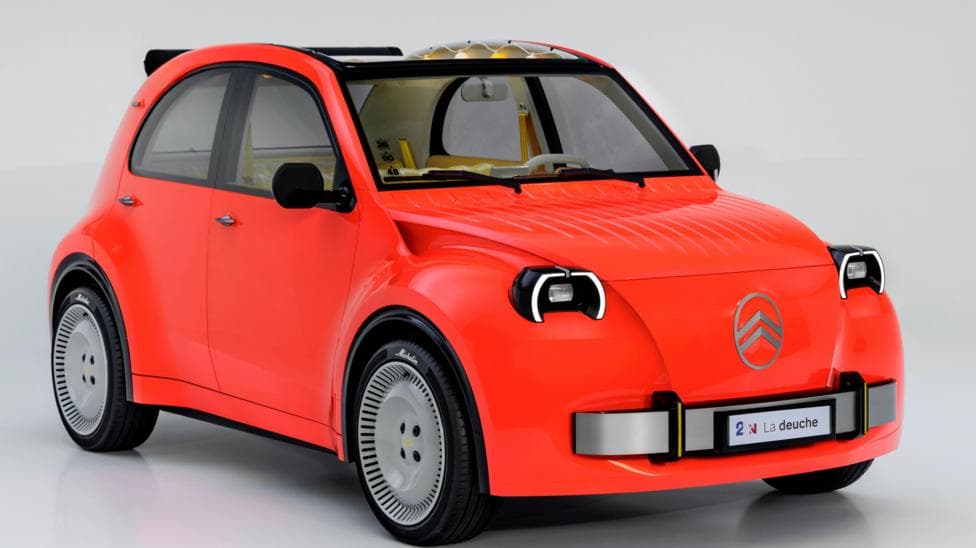
French carmaker Citroën has unveiled a reimagined version of its iconic 2CV at the Paris Motor Show, seeking to revitalise sales in a competitive electric vehicle market. The new model, presented as a concept car, combines retro styling inspired by one of Europe's most celebrated automotive designs with modern battery-powered technology. Production versions are scheduled to arrive in showrooms by 2028, with pricing expected to fall below £15,000.
The revival forms part of Stellantis' FaSTLane 2030 strategic plan, which was announced on 22 May 2026. Citroën chief executive Xavier Chardon characterised the new car as
a modern, ingenious and refreshing response to the mobility challenges of tomorrow. The project reflects a broader industry trend of leveraging heritage brands to attract consumers hesitant about electric vehicles, particularly as European manufacturers contend with intensifying competition from Chinese producers.
The Original Icon
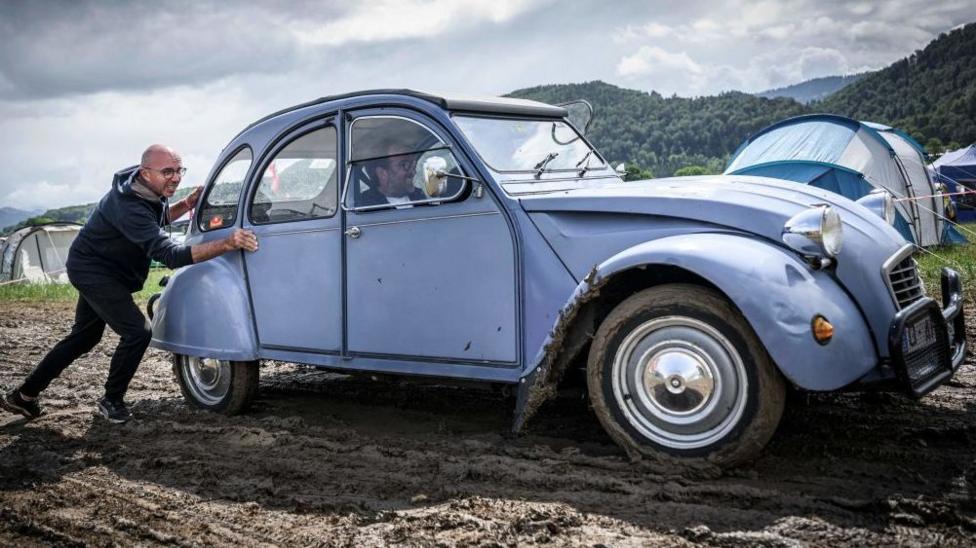
The original Citroën 2CV debuted in 1948 as Europe rebuilt itself following World War Two. Engineers designed it as an affordable, dependable vehicle for French farmers and rural communities, prioritising practicality over luxury. Its distinctive high wheel arches and soft suspension allowed it to traverse ploughed fields and rough terrain—famously, without damaging a tray of eggs. The tall roof accommodated drivers wearing hats, while its straightforward mechanics made repairs accessible to owners with minimal technical knowledge.
The 2CV proved remarkably durable, remaining in production for over four decades until 1990. What began as a utilitarian workhorse gradually transformed into a cultural icon, embraced by hippies and counter-culture enthusiasts who appreciated its simplicity and charm. Enthusiasts continue to celebrate the model through annual gatherings worldwide.
Design Heritage in the New Model
The contemporary 2CV concept retains unmistakable visual connections to its ancestor. High, flared wheel arches, a tall curved roof and distinctive eye-like headlights all echo the original
deux chevauxor
two horses. Teaser images released before the reveal displayed a ribbed bonnet, high-mounted rounded headlights, an air intake positioned between the front wings and bonnet, and steel-style wheels fitted with Michelin tyres. The design may evolve further as development progresses, though the core aesthetic direction appears established.
Citroën has not yet disclosed technical specifications including battery capacity, driving range, power output or charging times. The company describes the future production model as electric, simple and versatile, maintaining the original's philosophy of accessible, no-nonsense motoring.
A Strategy Gaining Momentum
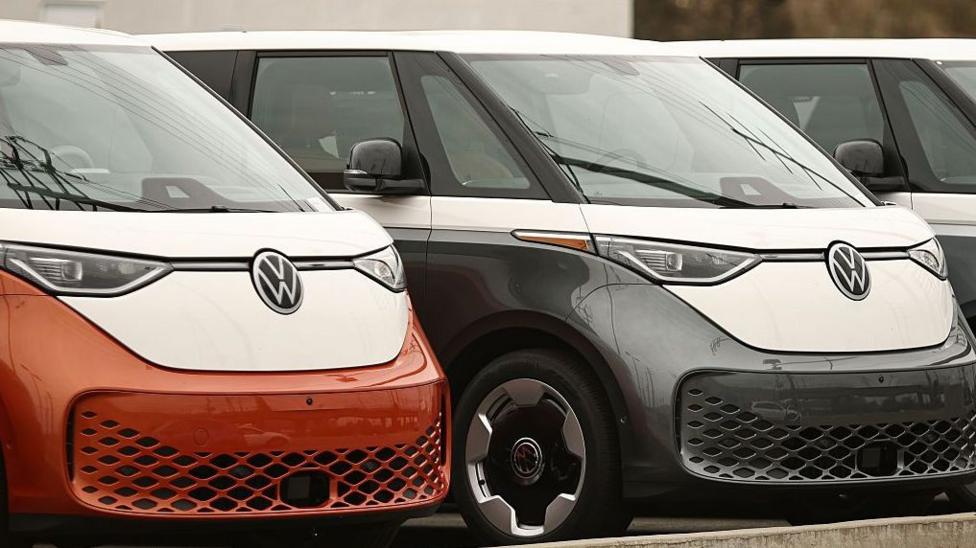
Citroën is far from alone in mining automotive nostalgia to sell modern vehicles. Volkswagen attempted a Beetle revival in the late 1990s with limited commercial success, though its ID-Buzz minivan draws inspiration from the classic T2 Transporter. BMW's Mini has always incorporated styling cues referencing the original British design, while Fiat has marketed a retro-styled 500 for two decades.
The trend has accelerated markedly in recent years as manufacturers seek differentiation in the electric vehicle segment. Renault, Citroën's French competitor, has spearheaded this approach with the Renault 5 E-Tech, which visually echoes the distinctive boxy proportions of the original Renault 5 that once dominated French streets. Renault subsequently revived the Renault 4 and Twingo nameplates as electric models. Ford is developing a new electric vehicle widely expected to carry the Fiesta badge.
Why Heritage Matters Now
Rachel Burgess, senior editor of Autocar magazine, views this strategy as commercially sound.
It's a brilliant differentiator from all-new car brands, she explains.
An older audience might remember the originals and feel warmly towards them, and a younger audience might find an appeal in the retro aspect.
The competitive landscape has intensified dramatically. David Leggett, automotive editor at Global Data, observes that
many in the industry believe the big automotive players in Europe face a very serious existential threat from aggressive Chinese manufacturers. In this environment, heritage and nostalgia represent potent strategic assets for established brands.
Dr Paul Nieuwenhuis, automotive researcher and author, contends that European manufacturers possess a unique advantage.
In a world where a wave of credible decent quality Chinese EVs are hitting Europe, linking European designs back to their history while using the latest powertrain technology is something the Chinese cannot do, he states.
The Chinese can establish new design trends, but there is limited history there.
The Challenge Ahead
However, nostalgia alone may prove insufficient. Leggett cautions that
a reimagined Citroën 2CV should give a big nod to its ancestor—especially on price and design simplicity as well as visual cues. Yet he emphasises that
it also needs to be a credible modern electric car in terms of functionality and features, with widespread appeal.
The concept's success will ultimately depend on whether Citroën can balance emotional connection to the original with the practical requirements of contemporary drivers. Affordability, reliability and genuine usability must underpin the retro aesthetic if the revival is to achieve commercial viability in a market where Chinese competitors are rapidly gaining ground.
What Happens Next
The Paris Motor Show, where the 2CV concept made its debut, runs from 12 to 18 October 2026. Citroën will continue refining the design and engineering specifications ahead of the planned 2028 launch. The company's ability to deliver an electric city car that honours its heritage whilst meeting modern expectations will determine whether this revival becomes a success story or a nostalgic footnote.