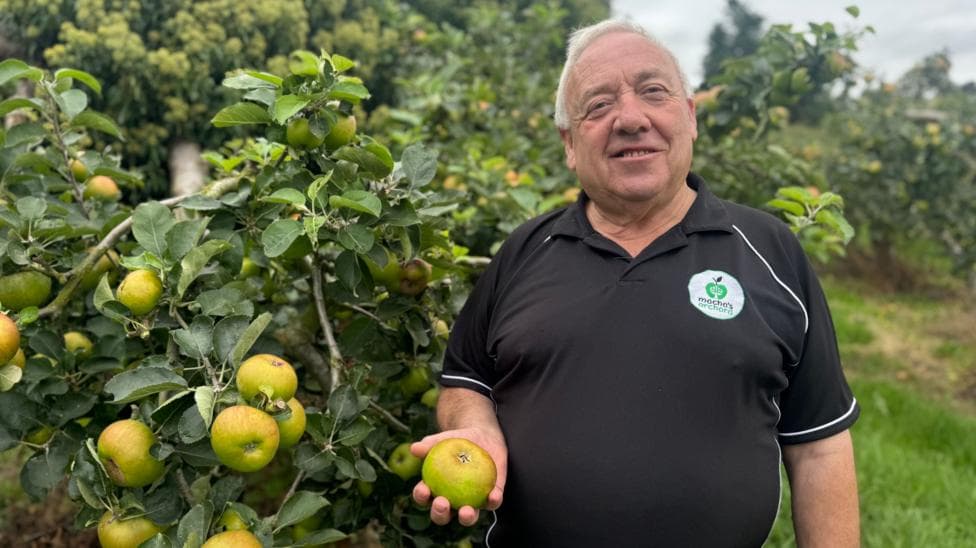
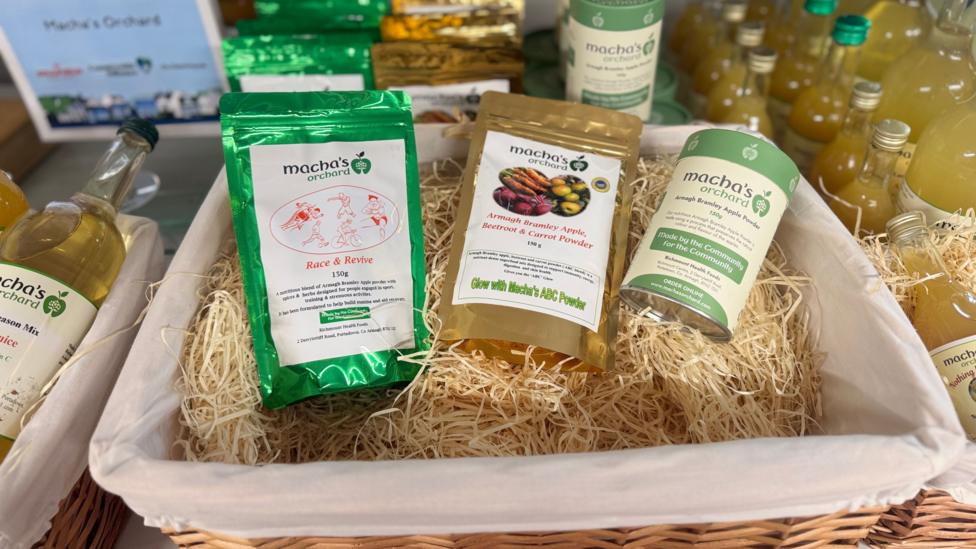
Joe Garvey has devoted nearly seven decades to working with apples, but his most meaningful contribution to his community came after he retired. In Armagh, known as the Orchard County, where apple cultivation defines the rural landscape, even the smallest Bramleys often struggle to find buyers. Garvey transformed this challenge into an opportunity by establishing Macha's Orchard, a social enterprise that converts surplus and smaller fruit into apple juice and a distinctive powder supplement, while simultaneously funding vital services for isolated older residents.
The venture emerged from Garvey's determination to address two interconnected problems: the waste of perfectly good apples and the financial strain on Richmount Rural Community Association, which serves the village of Scotch Street.
"We can't rely on public funding for our pensioners group forever, so the idea was to start a little business that would help support people,"he explained. The enterprise now sustains the community centre's operations, including a crucial bus service that collects residents from their homes and brings them to weekly gatherings.
Recognition of the project's impact has grown steadily. According to Rural Action's awards programme, Macha's Orchard received the Best New Start Up (Rural) Award at Northern Ireland's 13th Annual Social Enterprise Awards in November 2025. More recently, the enterprise was named Northern Ireland's Rural Enterprise champion in the 2026 Countryside Alliance Awards.
How did the idea take shape?
Garvey's inspiration came from witnessing the scale of apple waste in the region. Observing smaller fruit left to rot in orchards, he experienced what he describes as a
"eureka moment"that led him to reimagine their purpose. Initially, the enterprise processed unwanted peel and cores before shifting focus to smaller apples, which growers find nearly impossible to market commercially.
"There's no demand for them, there's nowhere for them to go and they'll be left to rot,"Garvey noted. The Bramley apple, long a staple of Northern Ireland's food culture, has seen its market decline as consumer preferences shift toward convenience foods. Garvey recognised that smaller apples possess particular advantages for juice production.
"It is much more beneficial to the community that we juice them at our own orchard than send them to a juicing factory where we get very little money,"he said.
The product range has expanded beyond juice. According to the Irish Farmers Journal, the apple powder is dried at temperatures no higher than 56°C with vitamin C as the only additive, used to prevent discolouration. The enterprise also produces Race & Revive, a supplement combining apple powder with maca, turmeric, ginger and black pepper.
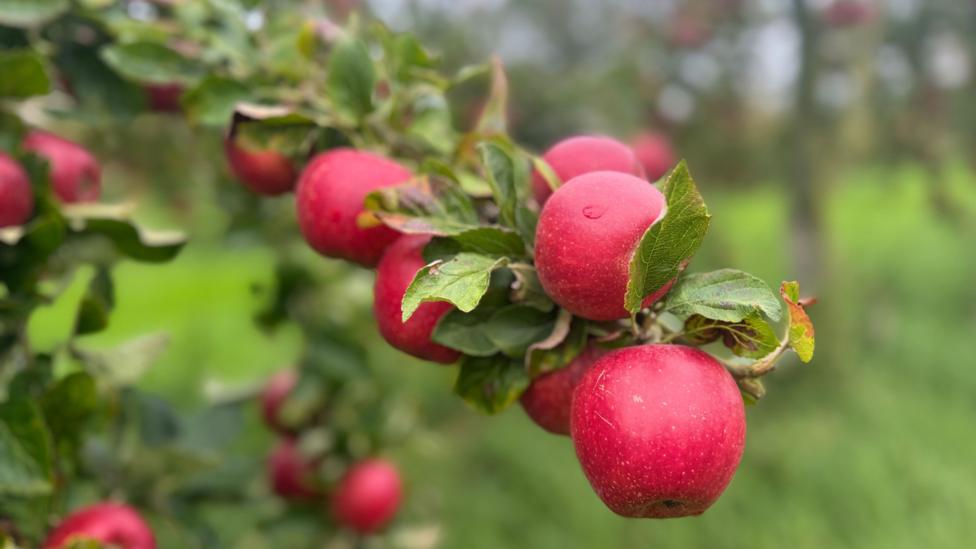
Though still modest in scale, Garvey believes the potential is substantial.
"I like a challenge and I really enjoy being involved in the innovation."He acknowledges the project cannot solve the broader food waste crisis but maintains it can create meaningful local impact. In September 2026, the Irish Farmers Journal reported that the enterprise was planning to scale up, including converting an old hayshed and moving some production tasks from hand-filling to volunteer-run machinery.
What does the community group mean to its members?
The weekly gatherings at Richmount Rural Community Association provide far more than social contact for participants. According to the charity's official registration, the older people's sessions average 50 attendees and run on Thursdays from 10:00 to 15:30. For many who live alone or lack reliable transport, these gatherings represent their primary scheduled social interaction.
Heather Black, a regular attendee, lives in the countryside without access to a car. The community bus, now financially supported by Macha's Orchard, collects her from home each week.
"I just love everything about the wee club,"she said.
"We have games and a lovely dinner and lots of activities, I just love it."For Black, the friendships formed have become equally valuable.
"I don't know what I would do without it. I have made so many friends and mix in with everybody because that's what life is about,"she added.
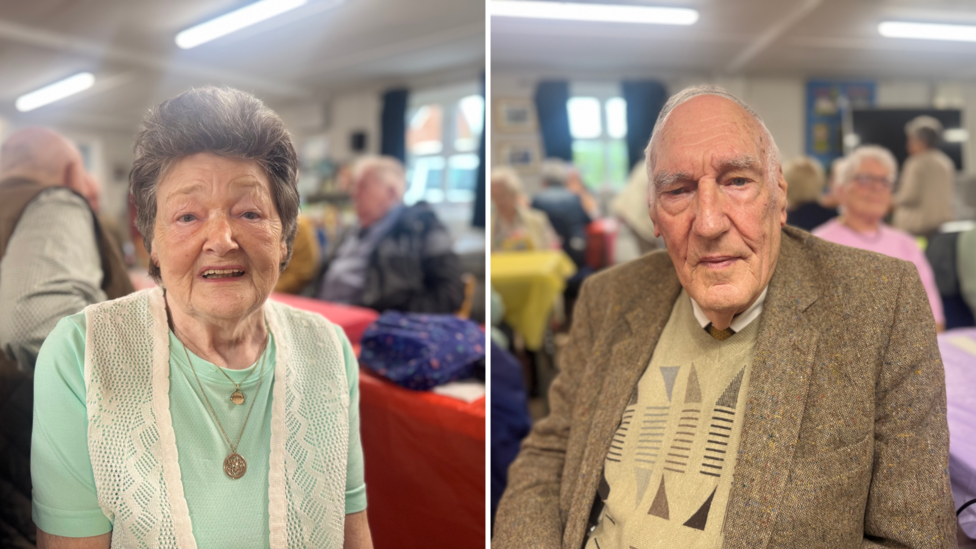
Carson Troughton, 88, has attended for more than two years and considers the group his sole scheduled social event each week.
"I enjoy the company and having fun. We get a very good lunch, and it's a great part of my routine,"he said. Troughton grows his own apples, creating a personal connection to the fruit at the heart of Garvey's initiative.
How has the group transformed individual lives?
For some members, the centre has provided essential support during periods of profound isolation. Marie McCann experienced this firsthand after her husband died during the Covid-19 pandemic. She spent extended periods alone at home before becoming involved with the group. Now she volunteers at the centre, serving tea and coffee and assisting with lunch preparation.
"It's absolutely brilliant. I would recommend this club to anybody,"she said.
"You need a good club to get you out because when you're in your house on your own the day is long, so you need to get out of there. What Joe is doing is absolutely brilliant."
Hannah Larkin joined after retiring and now helps organise trips and activities.
"When I joined it was the best thing that ever happened. I have met a lot of lovely people and you're always made to feel wanted."
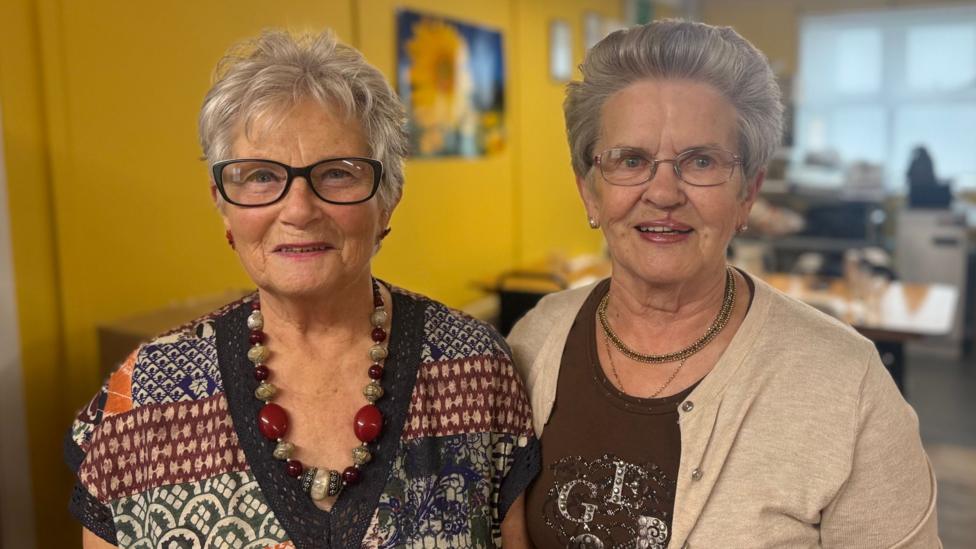
The revenue generated through Macha's Orchard directly sustains the community association's operations, including the bus service and centre running costs. This financial foundation has proven critical for maintaining services that Garvey describes as a
"lifeline"for people living in rural isolation.
What is the broader significance of this model?
Garvey's approach demonstrates how social enterprise can address multiple challenges simultaneously: reducing food waste, creating sustainable funding for community services, and combating rural isolation.
"It was an absolute shame to see some of the apples lying on the ground and rotting,"he reflected. His philosophy extends beyond commercial success:
"There is no such thing as a bad apple, only one that has yet to find its purpose."
For the participants at Richmount, the benefits transcend what is produced in the orchard. The weekly gatherings, sustained by Macha's Orchard's revenue, provide structure, friendship, and purpose to people whose rural location might otherwise leave them isolated. The project illustrates how innovation rooted in local conditions can create solutions that strengthen community bonds while addressing practical challenges.