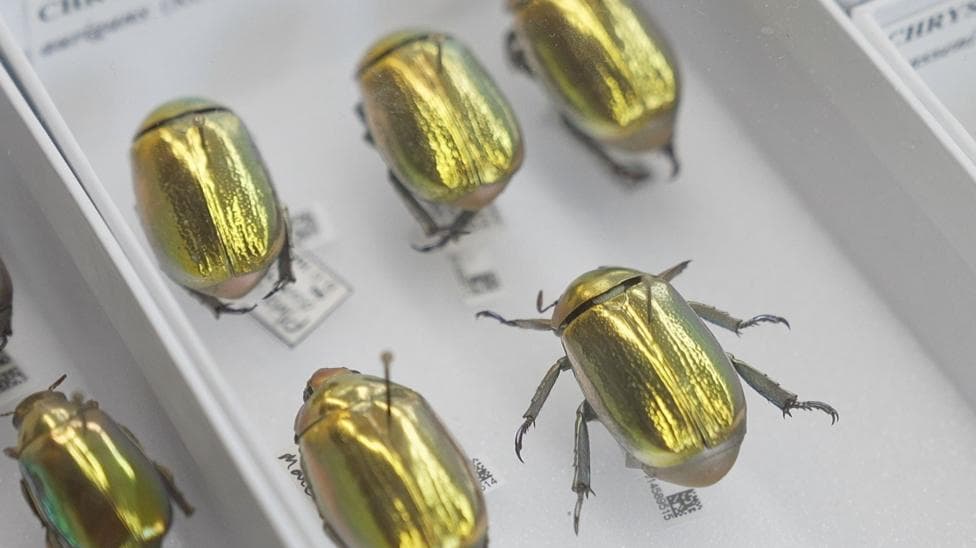
Millions of specimens from natural history collections across the United Kingdom are being transformed into a searchable online database through artificial intelligence and robotic scanning, a project that researchers say will fundamentally reshape our understanding of planetary change and biodiversity.
The initiative, called the Distributed System of Scientific Collections (DiSSCo UK), will eventually make around 70 million animals, plants, fossils and rocks accessible to the public and researchers via computers and mobile devices. The effort combines robotics and AI to accelerate digitisation from a process that would have taken centuries if done manually to approximately one decade, according to programme delivery director Sarah Addezio.
The project has secured substantial backing: the programme's full business case was approved, unlocking £155.6 million for the 10-year effort. This funding will unlock collections held in drawers and cupboards across more than 100 museums, botanic gardens, universities and other organisations, many of which have remained largely inaccessible to researchers and the public.
Dr Joanna Dunster, an associate director of the Arts and Humanities Research Council (AHRC), which is part of the UK Research and Innovation Agency funding the project, emphasised the importance of opening these collections.
We need to make these collections openly accessible instead of sitting where they can rarely be reached,she said, adding that she looked forward to exploring the resource with her young son.
Why digitise millions of specimens?
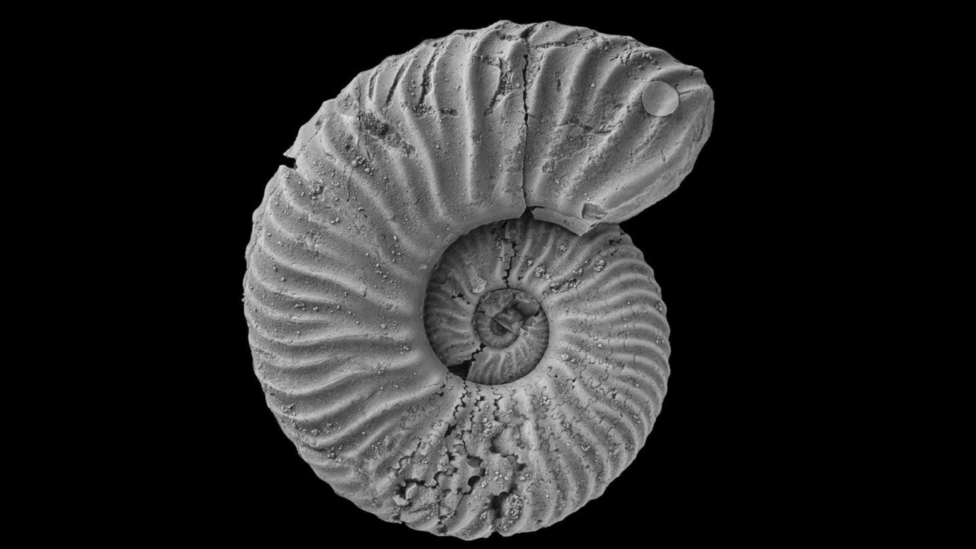
The specimens being scanned represent far more than curiosities: they are detailed records of how the natural world has changed over centuries and even geological timescales. UK natural science collections hold more than 140 million biological and geological specimens, spanning 4.6 billion years, and the programme aims to digitise around half of them.
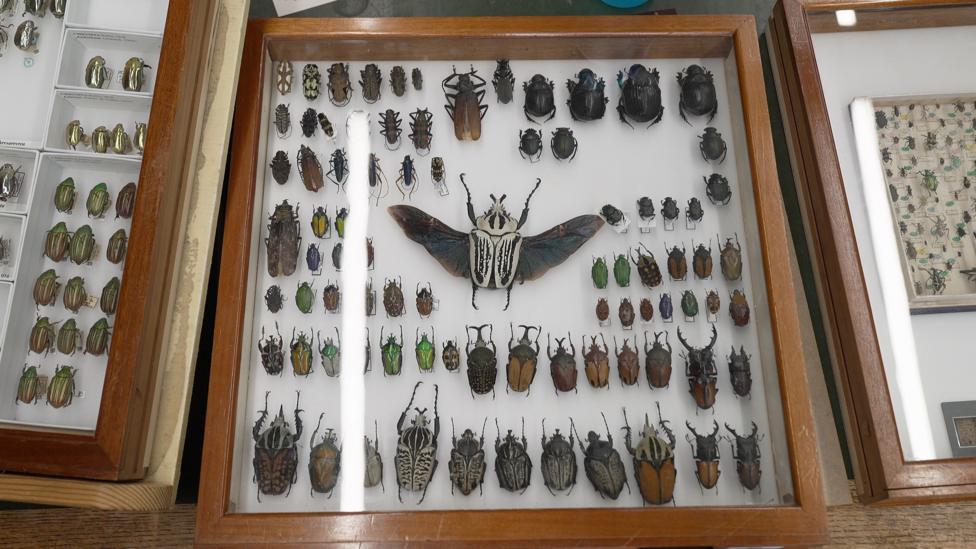
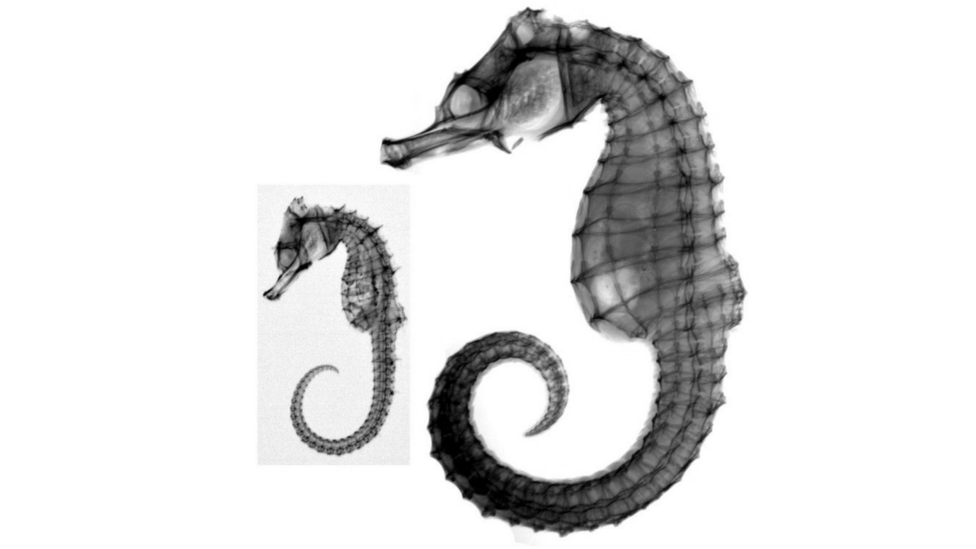
The Natural History Museum alone houses over 35 million pinned insect specimens. Digitising these helps scientists track insect decline and monitor how pest populations are shifting in response to environmental changes. The specimens range from the unusual—such as the blind tripod fish that props itself on the seafloor—to the historically significant, including a horse tooth recovered by Charles Darwin around 1833 from northeast Argentina.
Dr Vincent Smith, a research leader at the Natural History Museum in London, argues that the digital museum will
superchargeresearch into the natural world.
Natural history collections record long periods of change, often through really fundamental periods, such as the Industrial Revolution. Our collections chart those changes and so you can see what's happened before,he explained, adding that researchers can then
start to predict what's going to happen next.
How will this help predict future environmental changes?
By bringing together millions of specimens alongside powerful AI tools, researchers can refine computer models of how the natural world will respond to climate change, food supply pressures and species loss. The digitised collections will enable scientists to understand how the UK has transformed across the entire history of our planet and to anticipate future shifts in biodiversity and ecosystems.
The initiative will also support research into minerals needed for green technology, as uploading more fossils and rock material will aid the search for sustainable alternatives to current extraction practices.
Which specimens are being digitised first?
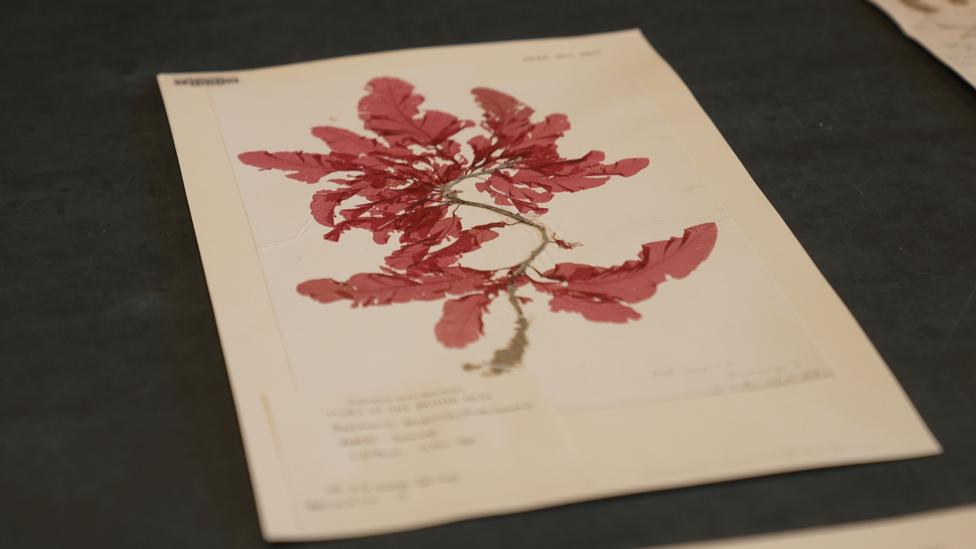
The opening phase of digitisation is beginning in Wales and Scotland, focusing on the small, less glamorous specimens that actually provide the best record of environmental change. Rather than scanning large animals such as whales or dinosaurs, the project is prioritising beetles, butterflies, moths, flies, pressed flowers and ferns—organisms that are among the most sensitive indicators of landscape health.
In Cardiff, the team will scan around half a million insect and plant specimens, from large, showy butterflies down to flies so tiny they could be lost on a fingertip. In July 2026, Amgueddfa Cymru secured £1.6 million to lead the West Hub, which plans to digitise about 500,000 specimens across Wales, south-west England and Northern Ireland.
Jenny Geroni, head of Natural Sciences and Research at Amgueddfa Cymru—Museum Wales, highlighted the value of bringing together material from across the country.
Each collection is unique. We have a lot of Welsh material that is not held anywhere else. By taking material from across the UK, it also allows us to build a good picture of what is going on across the whole country. And everyone adding their world collections will build a much stronger picture of what is going on elsewhere,she said.
In Scotland, the Royal Botanic Garden Edinburgh and National Museums Scotland hold 13 million specimens between them—the UK's second-largest natural science collection. Together with 50 smaller Scottish collections, these holdings span from sea level to mountain tops, representing two centuries of documented change in Scottish plants and insects across every type of landscape. The Scottish phase aims to create about 700,000 records, including more than 250,000 insects and 388,000 herbarium specimens.
What technical challenges does digitisation involve?
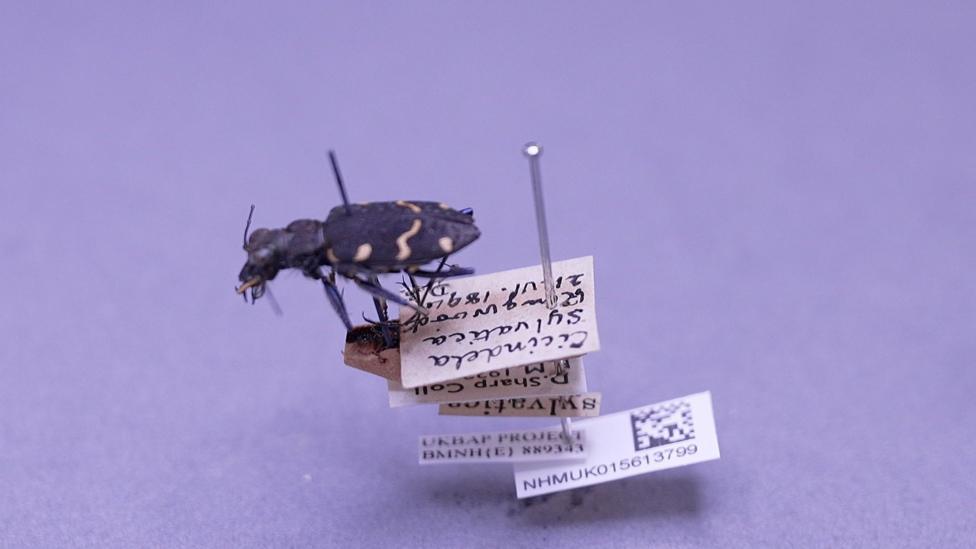
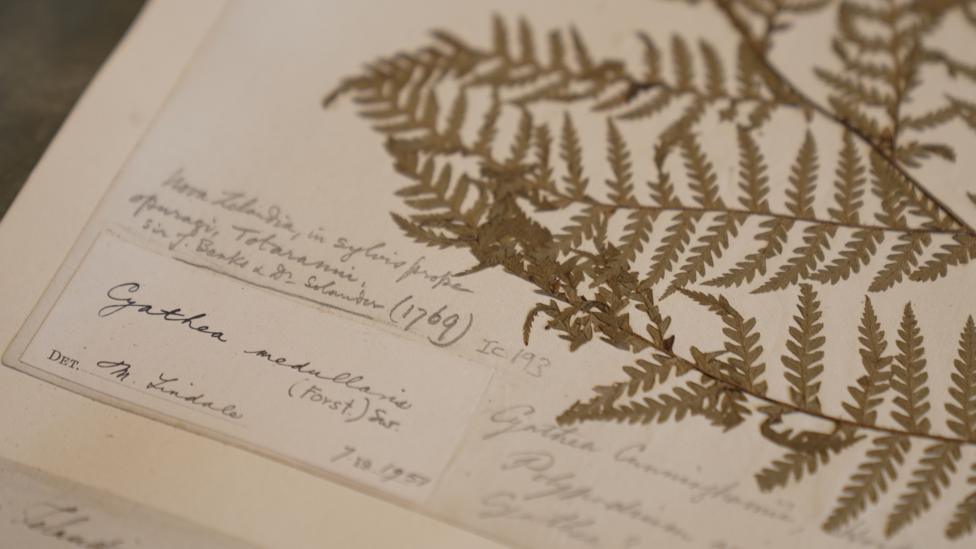
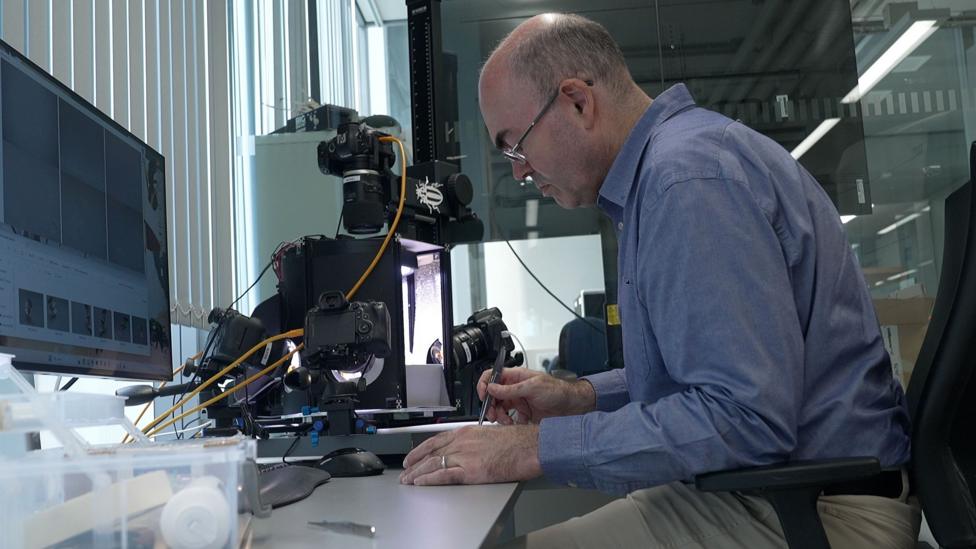
Scanning specimens is not a straightforward process. Each specimen must be photographed, and the tiny labels containing crucial scientific information—often handwritten decades or even centuries ago—must be carefully recorded and digitally captured. The team calculated that performing this work manually would have required hundreds of years of labour, but robotic systems combined with AI analysis can now accomplish the task within a decade.
The AI tools enable researchers to connect and analyse information at an unprecedented scale.
What we're able to do now is connect and analyse that information at a scale that's unprecedented and has not been possible before,Addezio said.
What happens next?
The first funded organisations are due to begin digitising in 2026, with this initial work continuing until 2028. The Central England Hub, led by Oxford and Cambridge institutions, is expected to contribute 1,195,419 specimen records, including nearly 771,000 newly digitised records with a focus on British plants and insects.
The next round of funding applications is scheduled to open in 2027, with digitisation from that round expected to start in 2028. This phased approach will allow the programme to expand systematically across the country, gradually unlocking the full potential of the UK's natural science collections.
Key Facts
- The DiSSCo UK programme will make approximately 70 million specimens accessible online to researchers and the public
- Robotic scanning and AI reduce digitisation time from hundreds of years to approximately one decade
- Over 100 institutions across the UK are participating in the project
- The initial phase focuses on insects, plants and flowers rather than large animals, as these provide the most sensitive records of environmental change
- The project will enable researchers to model future climate impacts, species loss and food supply challenges using historical specimen data