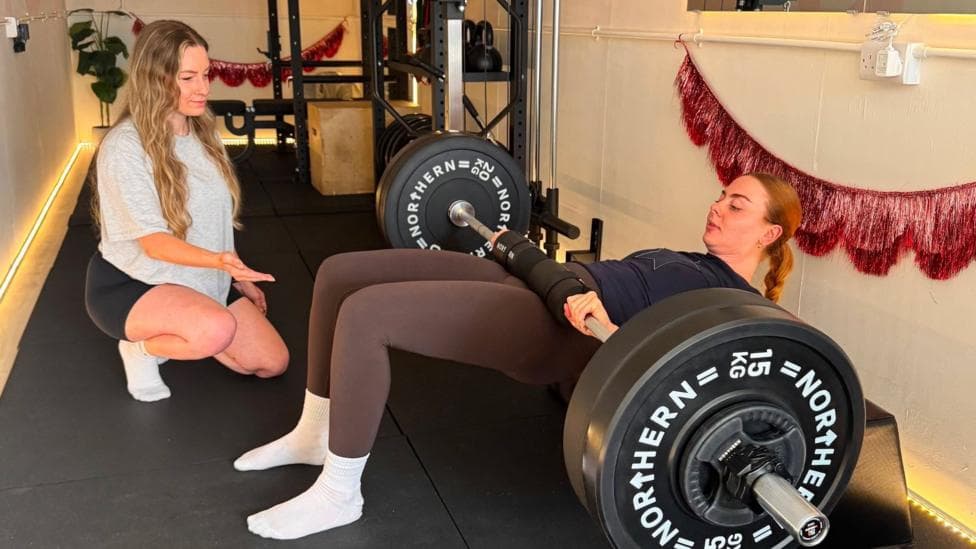
When Antonia Duffin, 34, first joined a gym, her goal was straightforward: shed weight and improve her physique. The experience proved transformative enough that she pursued personal training certification while maintaining her operations role at a supermarket chain, eventually launching her own women-focused fitness facility in Manchester.
Some of my clients want to feel stronger, some want to get in shape for a baby and some are struggling with other conditions like endometriosis and want to feel better, she explains. Hybrid training formats such as Hyrox—which blend strength and running in a competitive, communal setting—have largely displaced solitary treadmill sessions and stationary cycling, she observes. Among her younger members, she has noticed a marked shift toward resistance work.
I think people are now realising the importance of it - we're preventing osteoporosis and things like that.
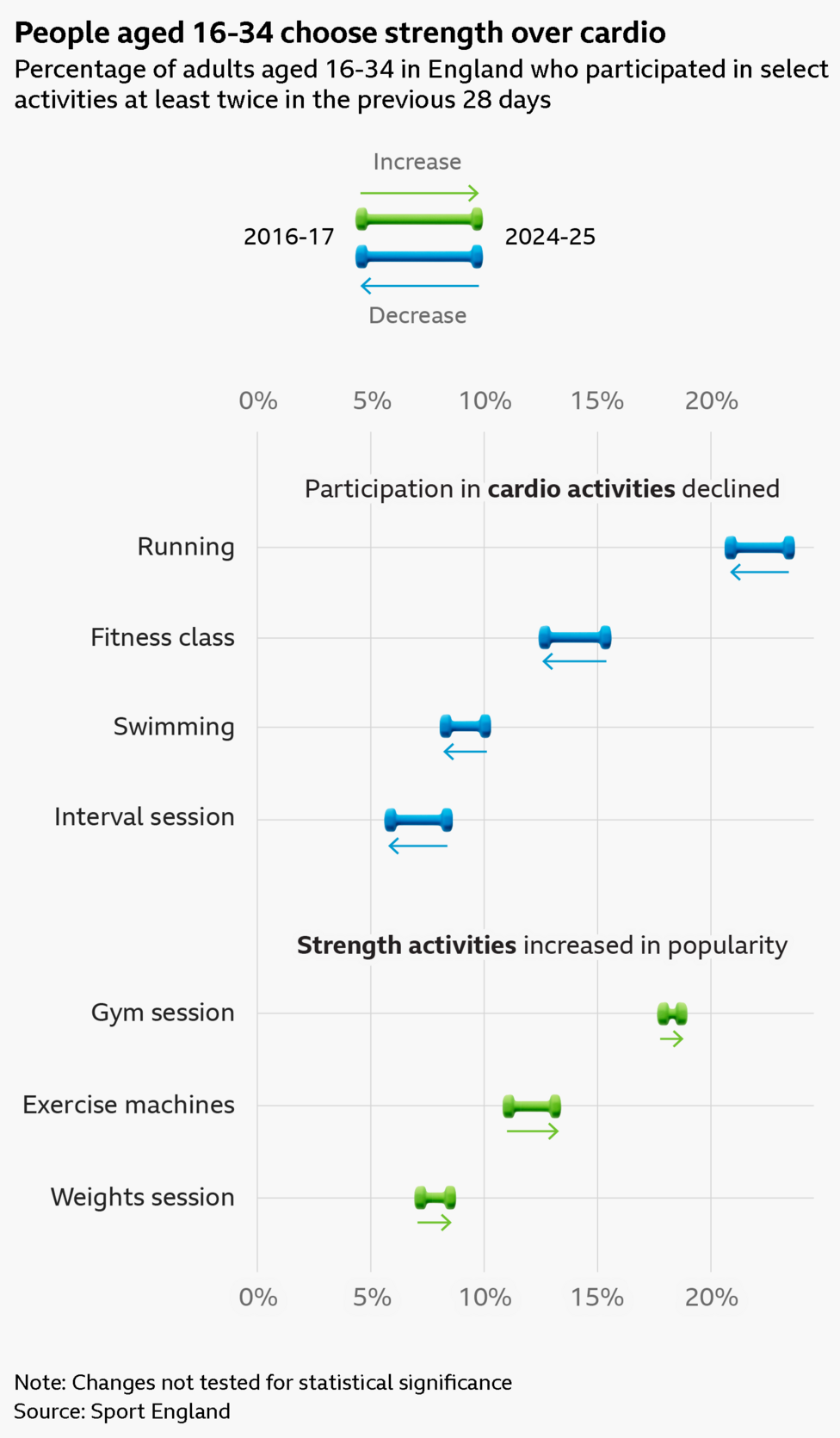
The data supports this perception. According to Sport England, participation in gym use, exercise machines and weight training among young adults has grown compared with nine years prior, even as traditional cardio activities have contracted.
What is driving the shift from cardio to strength training?
Exercise scientist Dr Andrew Scott from the University of Portsmouth identifies two key drivers.
Gyms offer broader types of exercise, like resistance training, which can improve body composition and shape more quickly than aerobic exercise training, he notes. Social media amplifies this appeal:
Lots of people are largely learning from influencers, suggesting 'I can do it, this is what I did and so can you'.
Will Seward, 19, a student, began attending the gym during secondary school with the aim of building strength and muscle. His routine, typically three sessions weekly, has evolved markedly—from running machines and exercise bikes to explosive weight-based training designed to enhance athletic performance.
It's had a real impact on my day to day life, he says,
improving my mood and making me feel generally healthier.
Duffin's Manchester facility, housed in a shipping container, stocks barbells, kettlebells, dumbbells and cable machines to support this demand. Recent research indicates that two hours of strength training per week may deliver comparable health benefits to regular aerobic activity—including reduced risk of cardiovascular death and stroke, alongside cognitive and mental health gains.
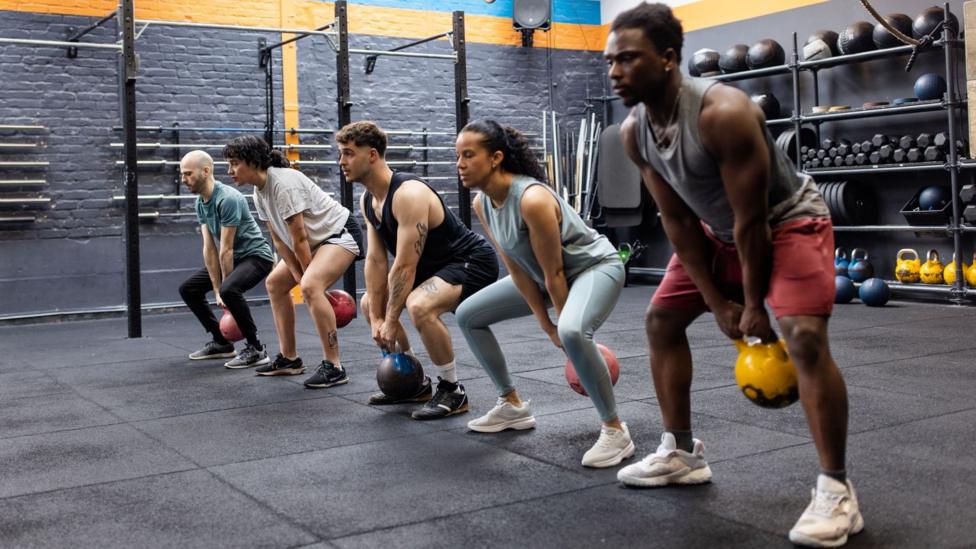
The appeal extends beyond physical outcomes. Many participants report feeling a stronger sense of community and connection when exercising alongside others. Dr Hussain Al-Zubaidi, a GP, personal trainer and triathlete, describes an
enormous ecosystemnow supporting active individuals, encompassing gyms, running clubs, fitness applications, social platforms and wearable devices.
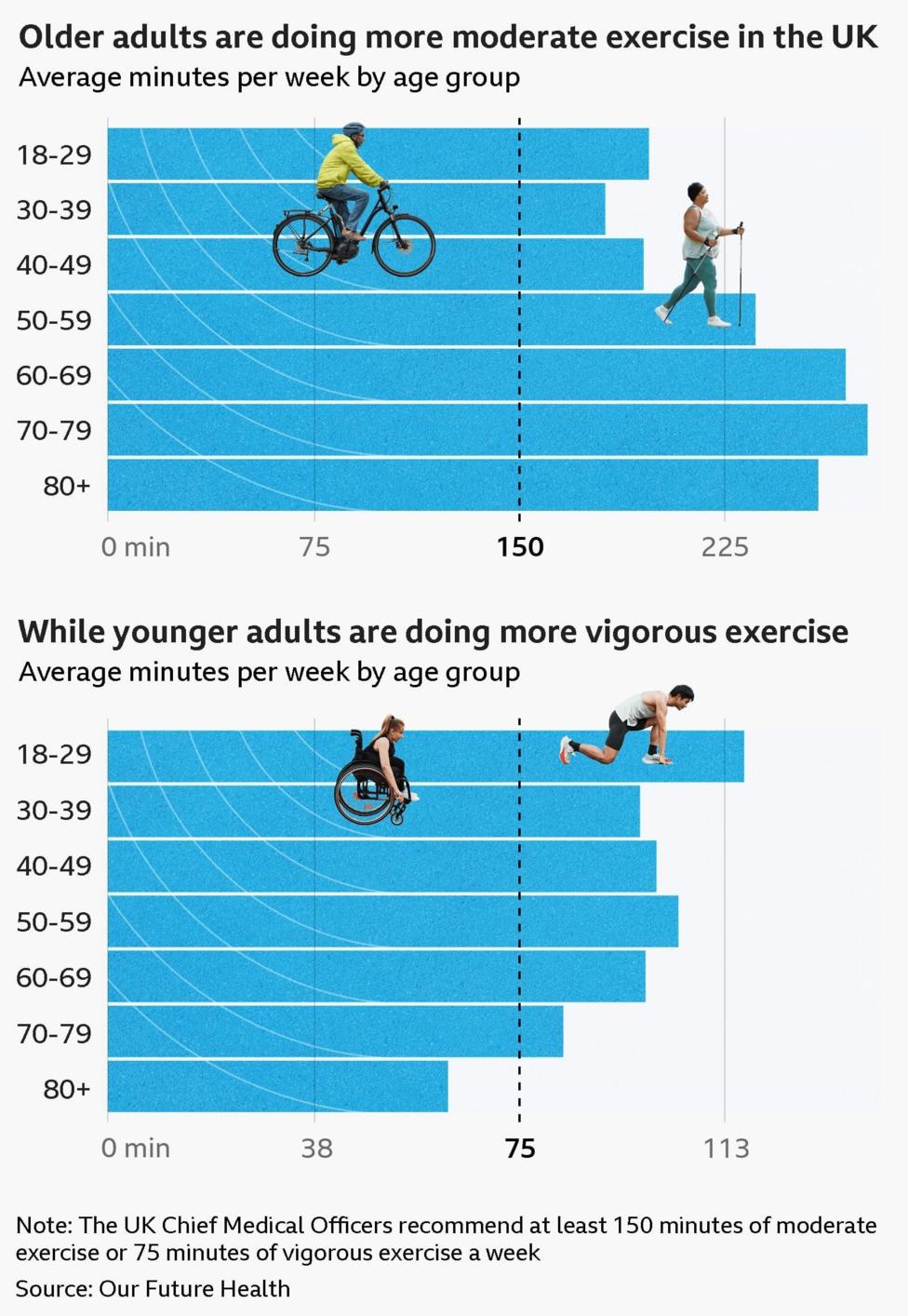
Research from Our Future Health, which surveyed nearly 2 million participants, reveals that younger age groups favour shorter bursts of vigorous activity—such as fitness classes, aerobics or football—rather than sustained moderate exercise. Younger adults are notably more likely to engage in vigorous activity than their older counterparts.

Is running disappearing?
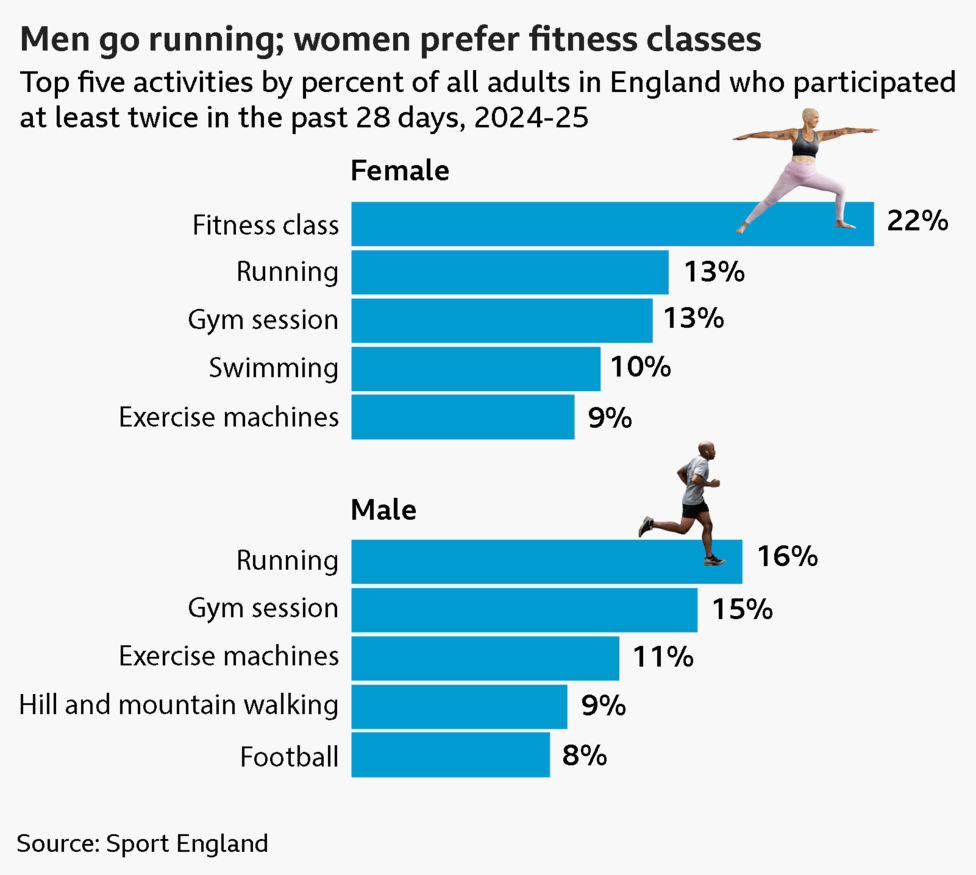
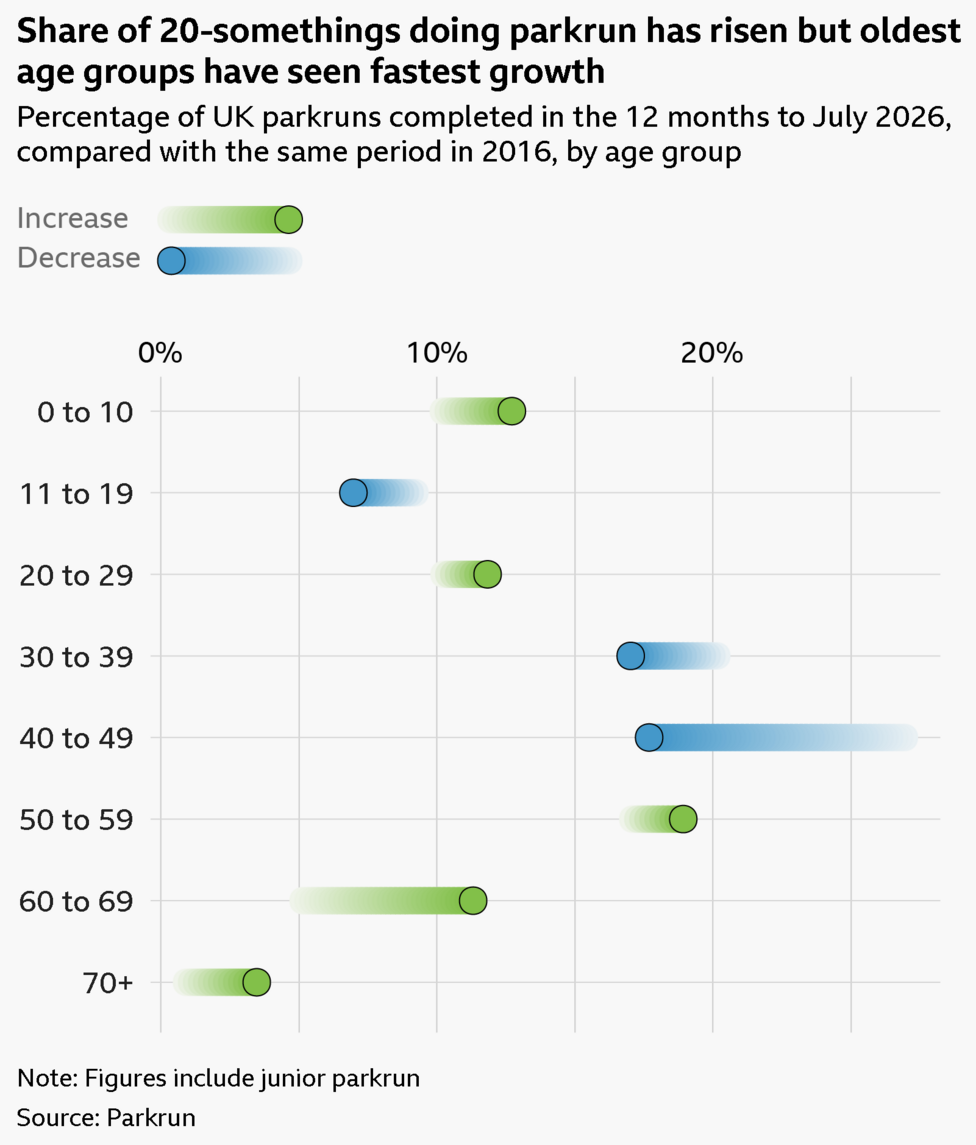
Despite declining overall participation, running remains the most frequently chosen exercise for young men and women and ranks in the top two activities across all adult age groups. Organised, community-based running continues to expand, with parkrun events—free to all participants—now hosting over 1,400 sessions across the UK each weekend, drawing growing numbers of children, people in their 20s and those over 50.
Prof Esther van Sluijs, professor of behavioural epidemiology at Loughborough University, emphasises the value of community exercise for social connection. Given the prevalence of remote work, particularly among younger people,
easy access to community clubs close to home is very important, she adds.
How much are young people spending on fitness?
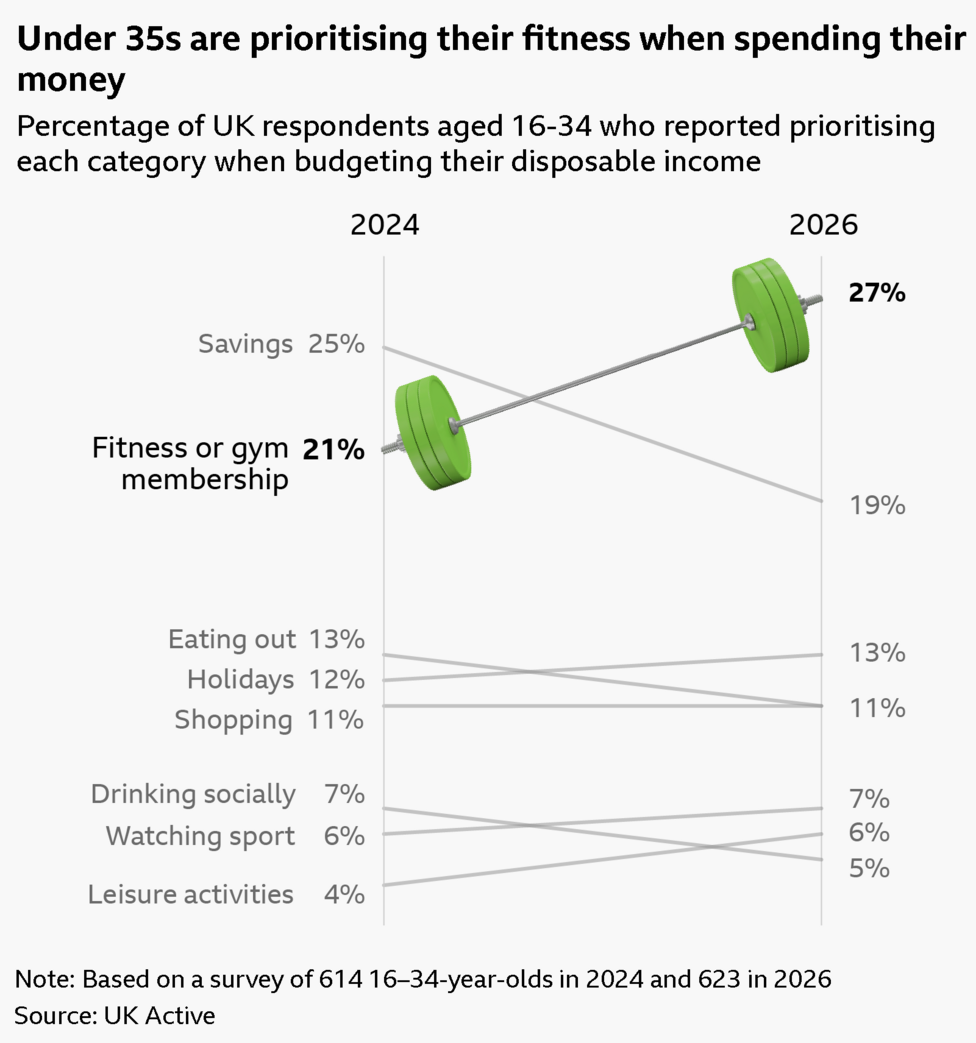
Fitness spending has become a significant budget item for younger adults. More than a quarter of 16-34 year olds now identify gym membership and fitness as a top spending priority, surpassing holidays and dining out—a rise from one-fifth in 2024, according to UK Active data. A 2026 survey by the Gym Group found that one-third of Gen Z allocate £26-50 monthly to health and fitness, with a quarter spending above £50.
Cordelia Sheridan, 27, an events manager who exercises four to five times weekly at her Battersea gym, treats her £45 monthly membership
like an essential utility bill.
If you go to the pub and you're with a group of mates, you can buy a few pints and easily spend that on a night out, she notes. Living five minutes' walk from her facility allows her to arrive for 6.30am sessions before work, where she spends 10 minutes on a stair-climbing machine followed by 35 minutes using weights and machines to strengthen her thighs, hips and lower back.
Her previous routine centred entirely on cardio, but she felt she was making no progress. Now, she values the ability to set targets and progressively lift heavier weights.
I want to go into my 30s being strong.She also finds the experience unexpectedly social.
And it's also weirdly more sociable, she says.

Why has strength training become so popular with Gen Z?
Research shows that 75% of Generation Z aged 16 to 28 perform strength training twice or more weekly, according to a UK Active-linked report, with 82% of Gen Z gym members citing strength training as a key reason for membership. This generational preference reflects both the measurable physical benefits and the social dimension of gym culture.
Hybrid training formats have experienced explosive growth. Hyrox, which combines running and strength challenges in a competitive format, has expanded dramatically—1.3 million people are expected to compete worldwide in 2026, underscoring how thoroughly this training style has penetrated mainstream fitness. Within the UK, more than 120 clubs now offer Hyrox training, and participation has surged from 7,400 entrants in 2021–22 to over 97,000 last season. Hyrox and Les Mills have also announced a partnership to develop tailored training programmes for gym members, further embedding hybrid training into mainstream fitness culture.
Dr Al-Zubaidi argues that persuading people to exercise depends on making it convenient, social and enjoyable—factors that transcend disease prevention.
I think that's why activities like the gym, running clubs and padel have been successful - not because they prevent disease but because they are fun and sociable.
What comes next for fitness trends?
The 2026–27 UK Hyrox season is scheduled to commence in Birmingham in October 2026, with multiple global events planned for September 2026 across cities including Athens, Mumbai and Washington. These developments suggest that hybrid strength-and-running training will continue to shape gym culture and participation patterns among younger adults in the coming months.
Key Facts
- Gym use, exercise machines and weight training participation among young adults has increased over nine years, while traditional cardio activities have declined
- More than a quarter of 16-34 year olds now prioritise gym membership spending over holidays and eating out, up from one-fifth in 2024
- 75% of Gen Z aged 16 to 28 perform strength training twice or more weekly, with 82% of Gen Z gym members citing it as a key membership reason
- Hyrox participation has grown from 7,400 entrants in 2021–22 to over 97,000 last season, with 1.3 million expected to compete globally in 2026
- Running remains the most common exercise for young adults and continues to grow in organised community settings like parkrun