Ten mental health trusts have been reported to the health regulator following identified problems with how they obtained patient consent before deploying camera monitoring technology in patient bedrooms.
The concerns surfaced during recent hearings of the Lampard Inquiry, which is investigating the deaths of more than 2,000 individuals who received care in mental health units across Essex between 2000 and the end of 2023. The inquiry's October 2026 hearing began on 5 October and is examining observations, use of technology and resuscitation procedures, including whether interim recommendations are needed.
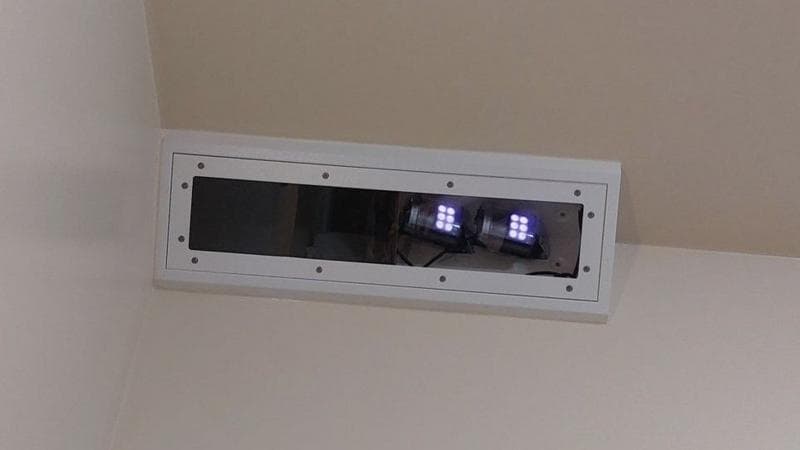
The infrared monitoring system in question, Oxevision, uses sensors and cameras positioned in patient bedrooms to track vital signs such as breathing and pulse without requiring staff to physically enter the room. According to a report published on 6 October, the technology is currently deployed in approximately half of England's mental health trusts.
NHS England disclosed to the inquiry that it had referred information to the Care Quality Commission (CQC) following a review of digital monitoring systems, including Oxevision. Gareth Harry, NHS England's National Delivery Director for Mental Health, Learning Disability and Autism, provided evidence to the inquiry about the findings of that review.
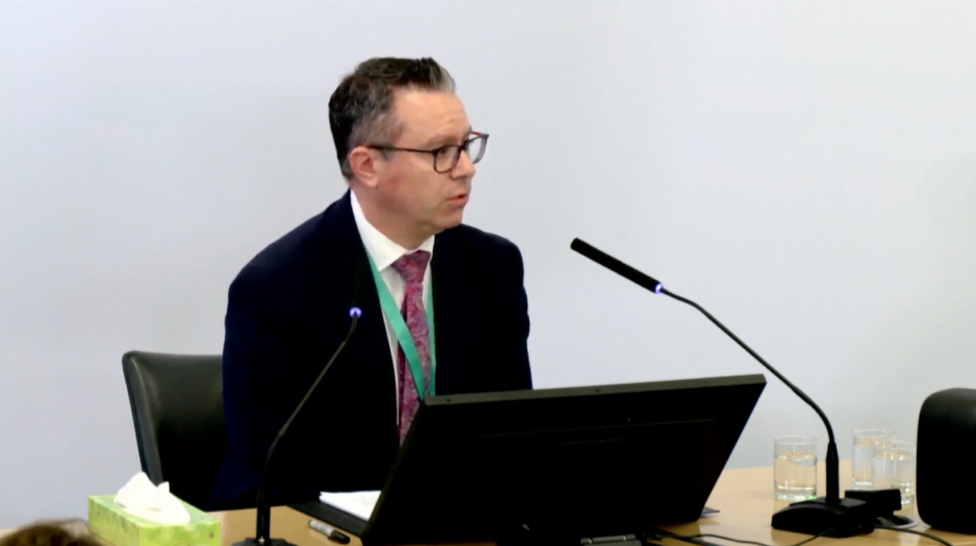
The inquiry learned that NHS England first identified safety concerns connected to Oxevision in 2021. During his testimony, Harry acknowledged that concerns had been raised regarding consent procedures, the adequacy of patient observations, and potential human rights implications.
The inquiry was presented with an internal NHS England email from 2022 in which a staff member documented awareness of instances where patients at certain trusts were
not being given the choice to refuse being filmed.
In response to these emerging concerns, NHS England issued guidance to mental health trusts in 2023 stating that monitoring technology should not be rolled out universally across all patients. Instead, the guidance specified that decisions about deployment should be made on an individual patient basis, with patients involved in those decisions where feasible.
Harry explained that NHS England subsequently conducted a comprehensive review after campaign group Stop Oxevision raised additional concerns. That review identified 10 mental health trusts that were
not operating their consent mechanisms in line with the digital principles. The identities of these trusts have not been disclosed publicly.
On 2 October, NHS England wrote to the CQC and shared the review's findings with inspection teams. The regulator is scheduled to present evidence to the Lampard Inquiry on 7 October.

Why did it take years for action to be taken?
Lawyers representing bereaved families questioned why several years elapsed between the initial raising of concerns and NHS England's decision to act. Harry responded by stating that day-to-day responsibility for adhering to the guidance rested with individual trusts rather than with NHS England itself.
Teniola Onabanjo, counsel to the inquiry, pressed Harry on whether NHS England recognised that institutional enthusiasm for technological innovation might
outpacethe level of scrutiny applied to consent and ethical considerations surrounding camera-based monitoring systems.
In his response, Harry stated:
I would expect every provider of mental health services to have their values and behaviours driven by a human rights approach to mental healthcare.
What is the regulator's role?
A CQC spokesperson provided a statement addressing the regulator's responsibilities:
Providers have a responsibility to offer safe, high-quality care in line with relevant guidelines. CQC considers all information of concern that is shared with us, and should a provider fall short we can and do take action.
What does the technology provider say?
Laura Cozens, representing LIO Health, the company that developed Oxevision, gave evidence to the inquiry in July. She emphasised the importance of properly explaining the technology to patients before deployment. Cozens also highlighted that the system had contributed to preventing serious incidents, including falls on a dementia ward.
What are the broader concerns?
According to reporting on the inquiry's proceedings, Nina Ali, representing 120 bereaved families, characterised the monitoring system as
potentially unlawful. This assessment reflects growing concerns among families about the deployment of surveillance technology in mental health settings without adequate safeguards.
What happens next?
The October hearing is scheduled to run from 5 to 22 October 2026 in Chelmsford, with public sessions livestreamed. A further hearing for families is planned for 20 October. Baroness Lampard has indicated that she may issue interim recommendations if urgent patient safety concerns are identified before the inquiry's final report.
The inquiry's timetable has been adjusted: the final report and recommendations are now expected in mid-2028, rather than in autumn 2026, allowing for more comprehensive examination of the issues raised.
Key Facts:
- Ten mental health trusts have been referred to the CQC for not operating consent procedures in line with digital principles when deploying Oxevision monitoring technology
- NHS England first became aware of safety concerns linked to the infrared monitoring system in 2021, but action was delayed until 2023
- The technology is currently used in approximately half of England's mental health trusts
- Bereaved families' representatives have described the system as potentially unlawful and are raising concerns about patient consent and human rights implications
- The Lampard Inquiry, examining deaths in Essex mental health units between 2000 and 2023, continues until at least mid-2028