Doctors across Wales are raising concerns that the pressure to deliver more appointments within standard 10-minute consultation slots is compromising the quality of gynaecological cancer checks and early detection efforts.
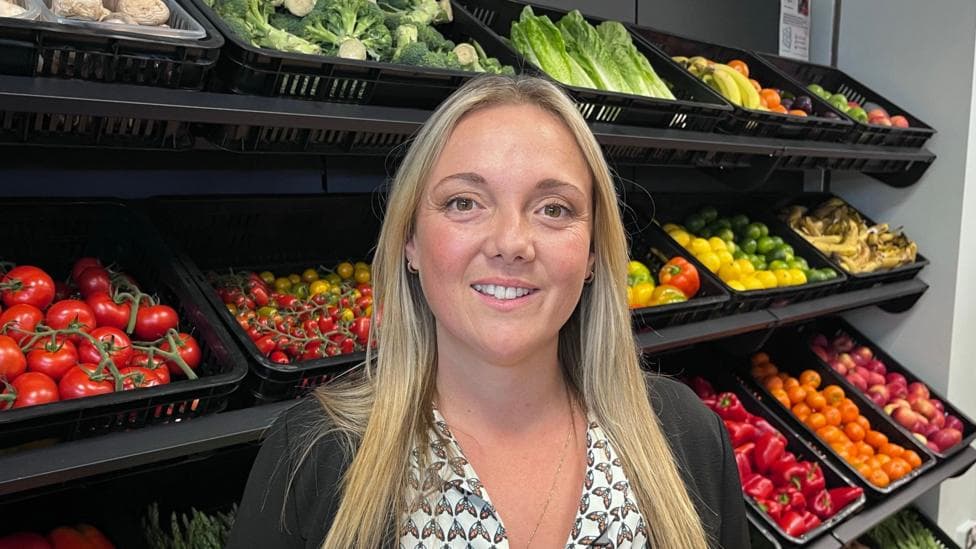
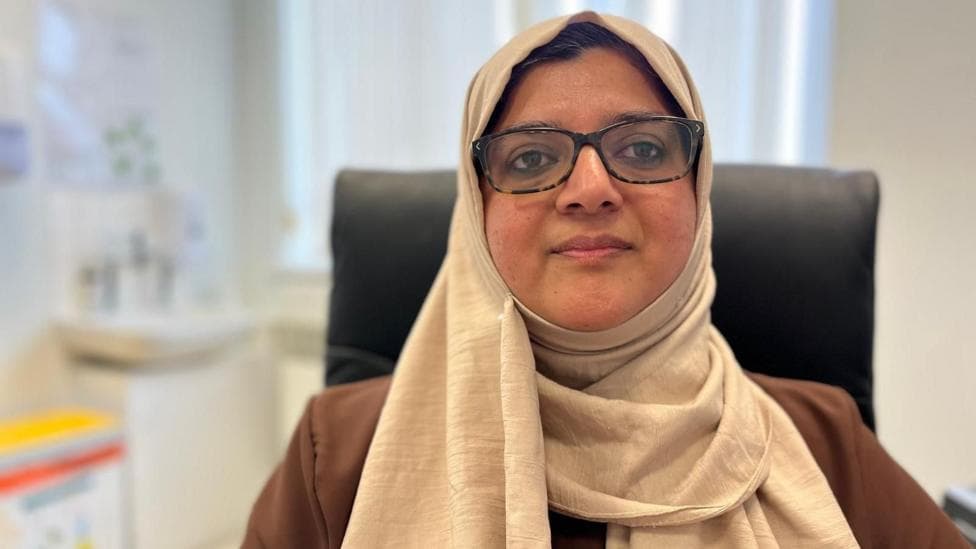
Dr Amara Naseem, a GP working in Wales, explains that her clinics routinely exceed their scheduled time because thorough assessment of gynaecological symptoms demands approximately 20 minutes to take a detailed medical history and perform internal examinations with appropriate sensitivity. She has absorbed additional patients as the number of practices in her area has contracted, creating a situation where she worries women may avoid raising concerns about gynaecological symptoms or skip screening appointments altogether if they perceive consultations as rushed, uncomfortable, or poorly handled.
Research commissioned by cancer charity Tenovus in partnership with Claire's Campaign discovered that roughly half of 100 GPs surveyed across Wales identified limited consultation time as a significant barrier to effective care. One-third of respondents also expressed anxiety about "over-referring" patients for additional investigations to exclude cancer, given that hospital services are already stretched to capacity.
The challenge of distinguishing genuine cancer cases from benign conditions becomes more acute under time pressure. Symptoms such as bloating can closely resemble non-cancerous disorders like irritable bowel syndrome, making early-stage identification difficult. Current data shows that 95% of patients placed on the suspected cancer pathway ultimately receive reassurance that they do not have cancer, meaning clinicians must develop skill in identifying the minority who do require urgent referral.
Dr Naseem characterised the pressure from Welsh government as focused on
"offer[ing] more appointments to the patient, rather than about the quality of the treatment". She emphasised that many women's health concerns require internal examination, which must be conducted
"in an empathetic and sensitive way". Working in a diverse and economically disadvantaged community, she noted that screening uptake is already low and that additional time is essential to explain procedures, address misconceptions, and work with interpreters where needed.
Lowri Griffiths, representing Tenovus, highlighted that gynaecological cancer incidence and mortality rates in Wales exceed the UK average—a disparity she said the Welsh government must address urgently. While welcoming pledges to increase GP numbers, she stressed that
"unless we address both the primary care setting and the hospital setting, the system won't work".
The equity gap in cancer outcomes
Dr Kathrin Thomas, a former GP and public health specialist, became involved with Claire's Campaign following the late diagnosis of her friend Claire O'Shea, who died from gynaecological cancer aged 42 last year. Thomas observed that GP numbers in Wales have
"almost flat-lined"while workload has grown, particularly in disadvantaged areas where
"there were fewer doctors, fewer nurses and the healthcare needs are much greater". She is also active with Deep End Cymru, a network of GP practices serving the most deprived communities.
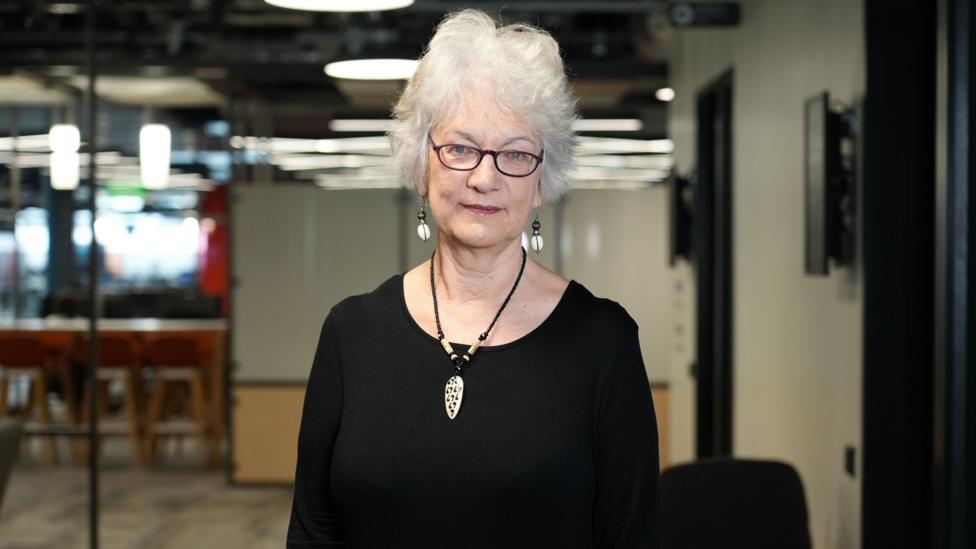
Thomas highlighted stark inequalities in cancer experience between affluent and poorer communities, particularly for cervical cancer.
"There's a wide inequity between women in more affluent areas and women in poorer areas,"she said. She noted that while cancer outcomes have improved substantially over decades, Wales is struggling to match the results achieved by wealthier nations.
Each year in Wales, approximately 1,200 women receive a diagnosis of gynaecological cancer affecting the womb, ovary, cervix, vulva or vagina, with around 470 deaths annually. Screening is available only for cervical cancer and cannot detect other gynaecological malignancies.
Thomas emphasised that continuity of care emerged repeatedly as a critical factor in the Tenovus survey of GPs.
"You have a 20% less chance of dying if you have the same team that looks after you,"she said.
Treatment waiting times and access standards
Waiting times for gynaecological cancer treatment in Wales have shown improvement over the past year, rising from 34% of patients receiving treatment within 62 days to 51.3%. However, the most recent Wales average across all cancer types stands at 60.1%, falling short of the 75% target. According to the Senedd in June 2026, Wales was meeting 52.5% of its 62-day cancer treatment target, indicating ongoing challenges in meeting national benchmarks.
A Senedd health committee report previously highlighted the "8am rush" for GP appointments and called for stronger access standards and better continuity between patients and their GPs. The issue of appointment length has long been debated in UK primary care; England removed the contractual requirement for GPs to offer appointments of at least 10 minutes in 2013, giving practices flexibility to set appointment lengths according to patient needs.
One patient's journey to diagnosis
Maria Bailey, aged 55 from Pencoed in Bridgend county, credits continuity of care with her own cervical cancer diagnosis. She experienced increased fatigue and light vaginal bleeding, which she initially attributed to extra work hours and the menopause. In February, after the bleeding intensified dramatically, she consulted her GP.
"It was heavy bleeding and quite large clots, which I've never had before - they looked like baby seals and that was really alarming."
An internal examination followed by further investigations revealed a 4cm tumour and grade 2 cancer around her cervix.
"I was in shock, but as soon as they said it wasn't life-threatening, that was it. It was just one gear - and that was go."Bailey felt her GP took her seriously from the outset because
"she knows me - she knew I was alarmed and [the symptoms] weren't normal for me. She took it very seriously."
Bailey underwent chemotherapy, radiotherapy and brachytherapy across cancer centres in Swansea and Cardiff. Since completing treatment, she has channelled her experience into supporting others by creating "Bailey's bags"—care packages for patients beginning cervical cancer treatment.
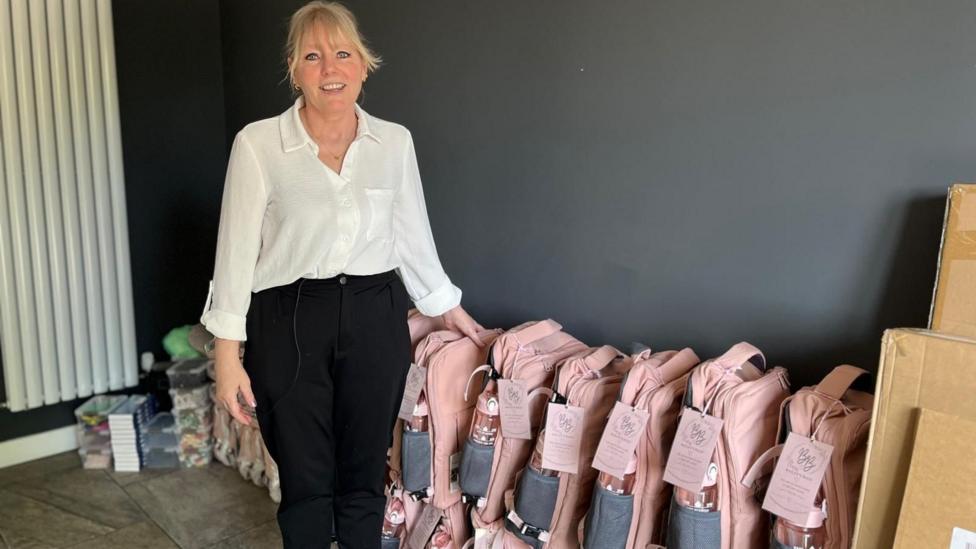
Bailey described her search for practical advice about treatment as frustrating.
"I'm quite an organised person and don't like walking into anything blind,"she said, noting that online resources were sparse. Her bags now contain items such as a water bottle, strong-flavoured sweets to counteract the metallic taste from treatment, a foldable fan, neck cushion, battery pack for USB devices and a medication box. She has donated several to two cancer centres.
Government response and future plans
The Welsh government stated:
"We're committed to strengthening primary care as the foundation of the NHS in Wales. We've urged health boards to shift more resources towards primary and community care, with a further primary care summit planned to track their progress. We're updating our women's health plan to make sure women's voices are heard, and transforming how the NHS prevents, diagnoses and treats cancer through our 10-year national cancer strategy, with a focus on earlier diagnosis."
In June 2026, the Welsh Government announced plans to recruit up to 100 salaried GPs and expand out-of-hours primary care as part of efforts to reduce pressure on hospitals. Additionally, Wales's 2026–30 programme for government includes development of a National Cancer Strategy focused on prevention, earlier diagnosis, equitable access and person-centred care.
Health boards have agreed that the share of their budgets devoted to primary care will increase by 0.5% each year from 2027–28, signalling a shift in resource allocation toward frontline GP services.
What happens next
The Welsh Government's first-100-days plan indicates that preparations will begin for a Wales Cancer Conference scheduled for 2027, intended to bring professionals and stakeholders together to share best practice and innovation in cancer care and prevention.
Key facts
- Around 1,200 women are diagnosed with gynaecological cancer in Wales each year, with approximately 470 deaths annually
- Half of GPs surveyed by Tenovus identified limited consultation time as a major barrier to effective gynaecological cancer screening
- Wales is currently meeting 52.5% of its 62-day cancer treatment target, below the 75% goal
- Continuity of care with the same GP reduces the risk of dying from cancer by 20%, according to research cited by doctors
- Screening is available only for cervical cancer; other gynaecological cancers cannot be detected through screening programmes